Good morning from Brussels. As the continent stirs into a new week, several stories are vying for attention, from political manoeuvres in the capitals to economic signals that could ripple across the single market.
Political Crosswinds
In Paris, the Élysée is reportedly preparing a reshuffle of junior ministers, a move that observers read as an attempt to regain momentum ahead of the autumn budget debates. The exact timing remains fluid, but sources close to the government suggest an announcement could come within days. Meanwhile, in Berlin, the Bundestag is gearing up for a contentious session on energy policy, with coalition partners clashing over the pace of the coal phase-out in the eastern Länder.
Further south, the Italian government in Rome is facing renewed pressure from Brussels over its public deficit trajectory. The European Commission has asked for clarifications on the planned spending cuts, and the Treasury in Rome insists that the numbers will be revised by September. This is a familiar dance, but the stakes are higher this time, as the EU's new fiscal rules are being tested for the first time.
Economic Signals
On the business front, the European Central Bank's latest lending survey, released this morning, shows a slight easing in credit conditions for households, but businesses in the manufacturing sector continue to report tight access to finance. This mixed picture will likely feed into the debate at the ECB's next policy meeting, where the governing council is split between those who want to hold rates and those who see room for a modest cut.
In the corporate world, a major Franco-German merger in the defence sector is reportedly in its final stages, with an announcement expected later this week. The deal, which would create one of Europe's largest defence contractors, has been closely watched by both governments and is seen as a test case for deeper European industrial cooperation. For more on the broader economic landscape, you can check our midday update from earlier this week.
Security and Borders
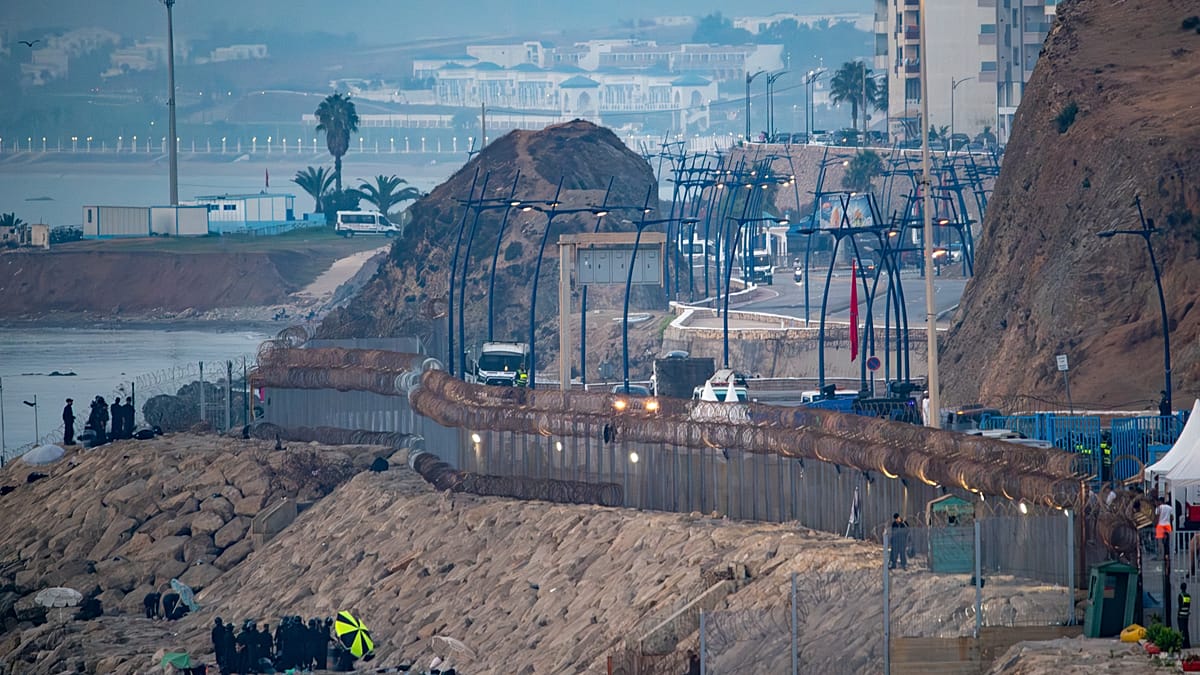
Security remains a top concern, particularly in the Mediterranean. The Spanish Civil Guard has issued a warning about a possible mass crossing attempt at the Ceuta border on 15 August, a date that has seen similar incidents in the past. Local authorities are coordinating with Moroccan counterparts to prevent a repeat of the 2021 crisis, when thousands crossed into the Spanish enclave. This is a reminder of the persistent pressures on Europe's southern borders, a topic we explored in our evening briefing on Friday.
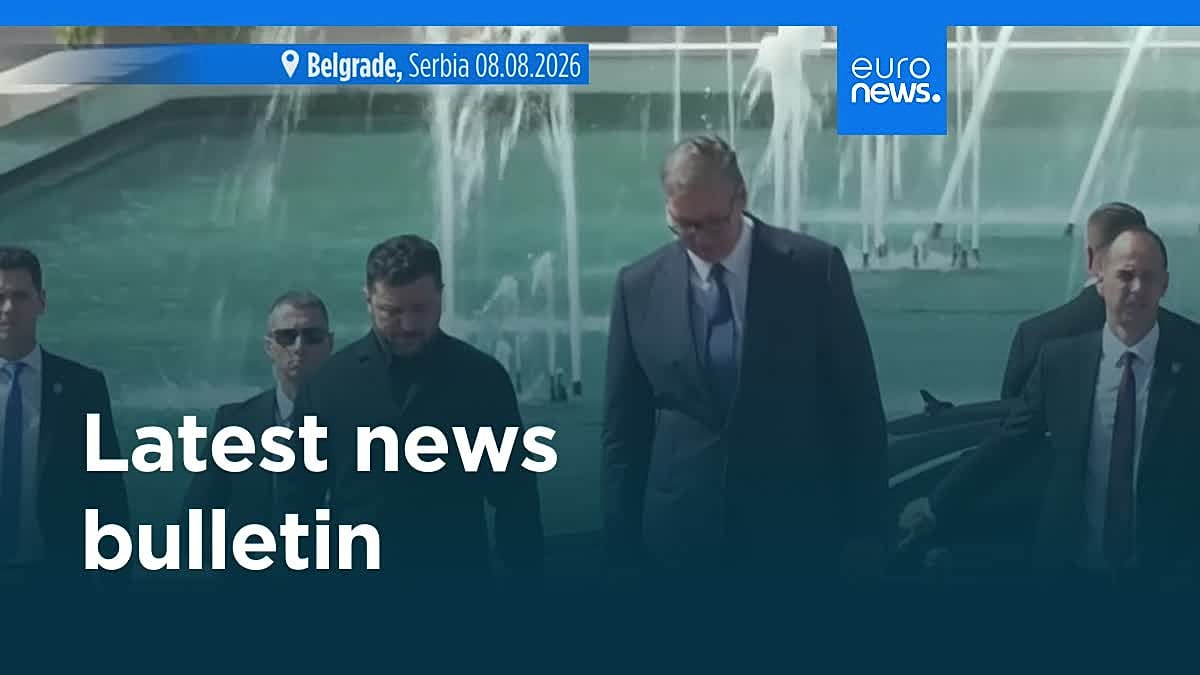
In the Balkans, EU-mediated talks between Belgrade and Pristina have been postponed, with both sides citing scheduling conflicts. The delay is a setback for those hoping for a breakthrough on the association of Serbian municipalities, a key sticking point in the normalisation process. The EU's special envoy is urging both parties to return to the table, but the mood in the region is cautious.
Culture and Society
On a lighter note, the cultural calendar is heating up. The Venice Film Festival has announced its full lineup, and this year's selection includes several European productions that are already generating Oscar buzz. Meanwhile, in Scandinavia, the annual Stockholm Culture Festival is drawing record crowds, with a focus on Nordic noir and contemporary art.
For travellers, there is a significant change coming in France: from 11 August, cold calling will be banned, a move that will affect telemarketers and could have implications for the tourism industry, which often uses such calls to sell holiday packages. If you are planning a trip to the Gulf, you might want to check our guide on what you need to know before travelling to Qatar, as the country continues to ease visa rules for European visitors.
As the day unfolds, we will be tracking these stories and more. For a comprehensive look at the latest developments, you can also revisit our morning briefing from earlier this week. Stay tuned for updates, and have a productive Monday.