For years, the standard European itinerary has revolved around capitals: Paris, Rome, Berlin, Amsterdam. But a growing number of travelers are now looking beyond these well-trodden routes. According to a recent report by WorldHotels, a global brand of independent luxury and lifestyle hotels within the BWH Hotels portfolio, lesser-known cities across the continent are emerging as compelling alternatives. These destinations offer fewer crowds, richer atmospheres, and more authentic glimpses into local life.
The shift reflects what WorldHotels describes as “a growing shift in modern travel,” where “travellers are moving beyond the world’s most overfamiliar city itineraries in search of places that feel more personal, more connected and more rewarding to explore.” This trend is particularly evident in Europe, where a dense network of mid-sized cities offers distinct cultural identities without the tourist saturation of capitals.
Netherlands: Arnhem and Gouda
Amsterdam remains a global icon, but its canals and crowded streets are increasingly prompting visitors to look east. Arnhem, located in the eastern Netherlands near the German border, is one such alternative. The city is a gateway to De Hoge Veluwe National Park, a vast nature reserve with heathlands, sand dunes, and woodlands, ideal for hiking and cycling. WorldHotels notes that in Arnhem, culture and nature “feel unusually close together.” After exploring the park, visitors can head to the Modekwartier, or fashion quarter, in the Klarendal neighbourhood, where over 60 independent shops and studios operate, mostly from Thursday to Saturday.
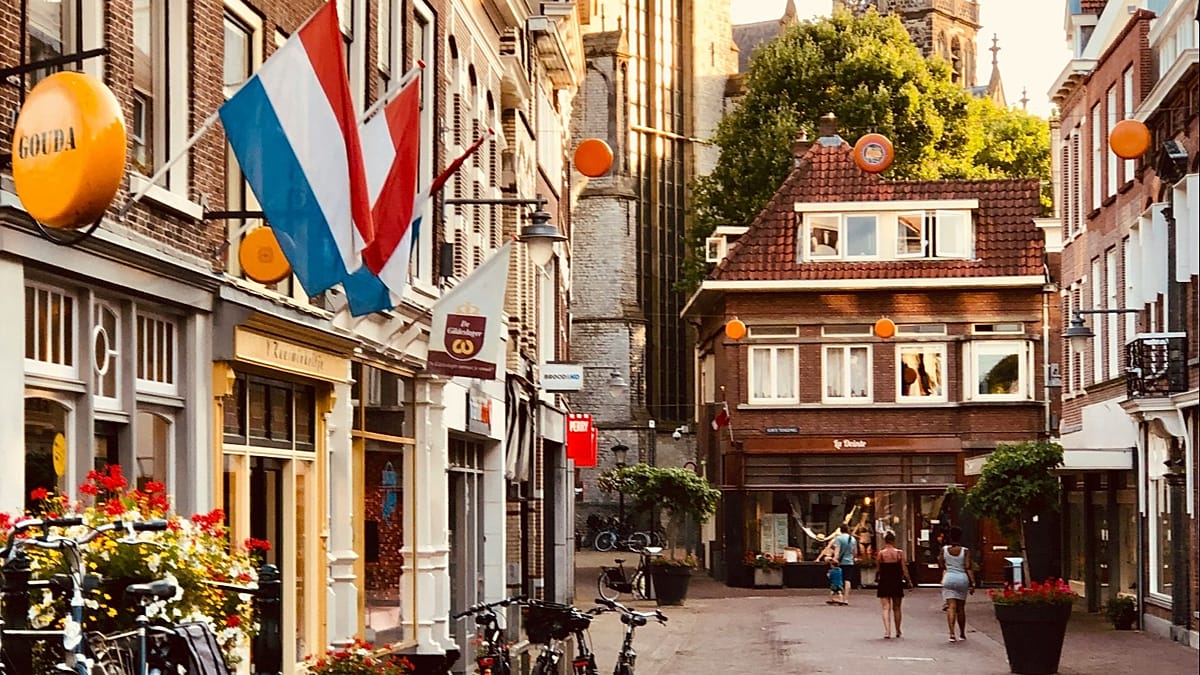
For accommodation, the 124-key Hotel Haarhuis, established in 1918, offers three dining venues, a city spa, and convenient access to bus and rail stations. Further south, Gouda—sandwiched between Rotterdam and Utrecht—is more than just the birthplace of the eponymous cheese. Its medieval centre features cobbled streets and centuries-old trading houses. The Gouda Cheese Market runs from April to August, allowing visitors to haggle at stalls filled with local produce. WorldHotels describes Gouda as “one of the Netherlands’ most charming smaller cities that is intimate, walkable and filled with the kind of everyday atmosphere travelers increasingly seek instead of crowded capital routes.” The City Hotel Gouda, located on the Gouwe River in the historic centre, is a recommended stay.
This trend toward second cities also aligns with broader efforts to combat overtourism in historic urban centres. For more on how Europe is addressing this, see our piece on industrial tourism as an answer to overtourism.
Belgium: Kortrijk
Belgium’s capital, Brussels, draws millions, but the Flemish city of Kortrijk in West Flanders offers a quieter yet equally rich experience. Its key landmarks include the Broel Towers, built from limestone and sandstone in 1385 to control waterway traffic on the Leie River, which connects Kortrijk to Ghent. Guided tours allow visitors to explore the towers’ interior and learn about their history.
No trip to Belgium is complete without chocolate. Chocolatier Vandenbulcke, in operation since 1949, offers a Chocolate Trail that takes visitors from raw cacao beans to finished truffles, pralines, and biscuits, with tasting stops and an immersive 4D experience. For a place to stay, Hotel Damier, dating back to 1398, is Belgium’s oldest hotel and the third oldest in Europe. Located on the Great Market Square, it is a short walk from the Exhibition Centre and the main railway station.
As travelers increasingly prioritize authentic local dining, cities like Kortrijk are also gaining recognition. For more on Europe’s top food cities, see four European cities ranked among the world’s top ten for food in 2026.
This shift toward second cities is not merely a passing fad. It reflects a deeper desire for connection and discovery, away from the homogenized experiences of major tourist hubs. For those planning their next European trip, Arnhem, Gouda, and Kortrijk offer compelling reasons to step off the beaten path.