Across Europe, a quiet shift is underway in how travelers spend their holidays. Instead of queuing at landmarks in Prague, Venice, or Barcelona, a growing number of visitors are heading to steelworks, car factories, and historic mills. This is industrial tourism — and six regions from six European countries are now actively promoting it through the EU-funded IndusTour project.
An Alternative to Overtourism
The IndusTour initiative, part of the European Union's Interreg programme, brings together regions from Czechia, France, Poland, Denmark, Serbia, and Cyprus. Its goal is to develop tourism tied to local industrial heritage and community identity. Lucie Ševčíková, from the tourism department of Czechia's Moravian-Silesian region, says the practice of visiting business and industrial sites could serve as an alternative attraction to help reduce tourist overcrowding in historic centres. The region is a pioneer in this field, having been an industrial powerhouse in the 19th century.
With a total budget of €1.4 million — 80 percent financed by the European cohesion policy — IndusTour supports the creation of tours, educational programmes, and infrastructure at industrial sites. The participating regions are Moravia-Silesia (Czechia), Auvergne-Rhône-Alpes (France), the Voivodship of Łódź (Poland), Tønder (Denmark), Vojvodina (Serbia), and Cyprus.
From Steel to Steel: Dolní Vítkovice and Hyundai
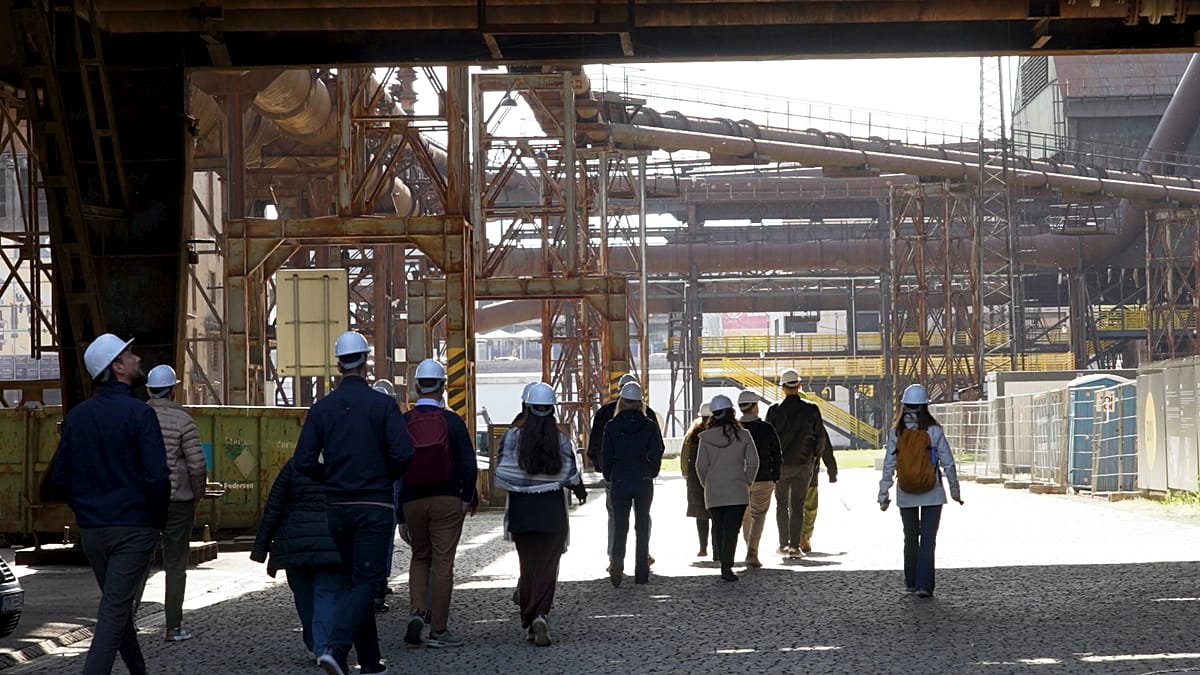
In Ostrava, a city of more than 280,000 inhabitants in eastern Czechia, the former Dolní Vítkovice steelworks closed in 1998 but has since been reborn as a cultural and educational hub. Visitors can explore the old industrial complex, now fitted with a futuristic design, which hosts music festivals, a museum, sports events, a technology centre, and the 80-metre-high Bolt Tower — complete with viewing platforms and a bar overlooking the steelworks, Ostrava, and the Beskydy and Carpathian mountains. Lucia Foltínková, responsible for the tourist experience at the site, says last year was their best: they crossed 1.7 million visitors annually and host hundreds of children every month.
Just 30 minutes from Ostrava, the Bartošovice mill, built in 1678, remains the only mill of its kind in the region and one of the few in Czechia still operating with original equipment. A guide shares anecdotes with a group of locals and visitors, demonstrating the different grains — barley, oats, rye, and wheat. One visitor remarked: "It is the first time I have visited this mill. My husband and I have just moved to this town and we wanted to explore the surrounding area."
Hyundai's European production site in Nošovice, also in Moravia-Silesia, is another key attraction. The South Korean carmaker's plant, one of fourteen worldwide, covers more than 200 hectares and produces 1,500 cars daily. It employs 2,900 people and operates over 500 robots. Free guided tours, lasting one to one and a half hours, are offered three days a week in English, German, French, Polish, and Spanish. According to Barbora Hermanová, Public Relations Manager for Hyundai Motor Manufacturing in Czechia, groups of up to 35 visitors tour the facility in a small electric train with a guide. Visits are free of charge.
A Growing Trend
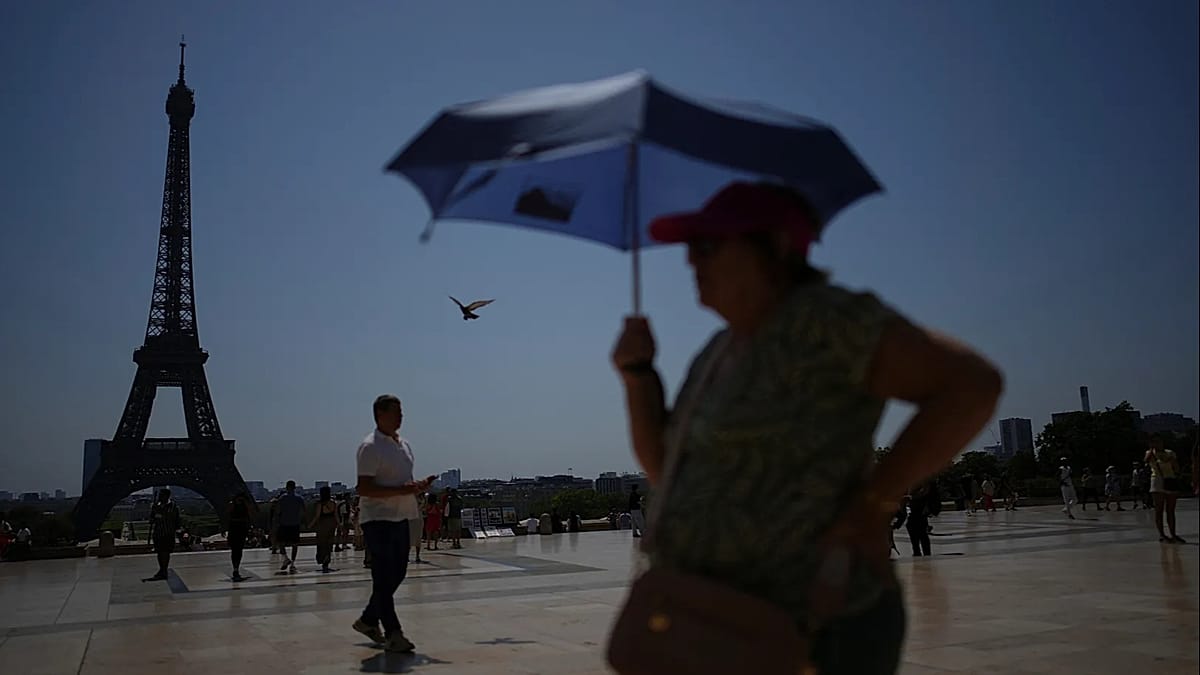
Industrial tourism is not entirely new, but its formal promotion through EU-backed projects like IndusTour signals a strategic shift. As anti-tourism sentiment grows in Spain, Italy, and France, offering visitors a different kind of experience — one rooted in local industry and history — may help distribute tourist flows more evenly. The trend also aligns with the broader movement toward slow tourism, where travelers seek authentic, less crowded experiences.
For regions with a strong industrial past, the benefits are twofold: they preserve and repurpose heritage while creating new economic opportunities. As the IndusTour project demonstrates, a former steelworks or a working mill can be just as compelling as a medieval square — and far less crowded.