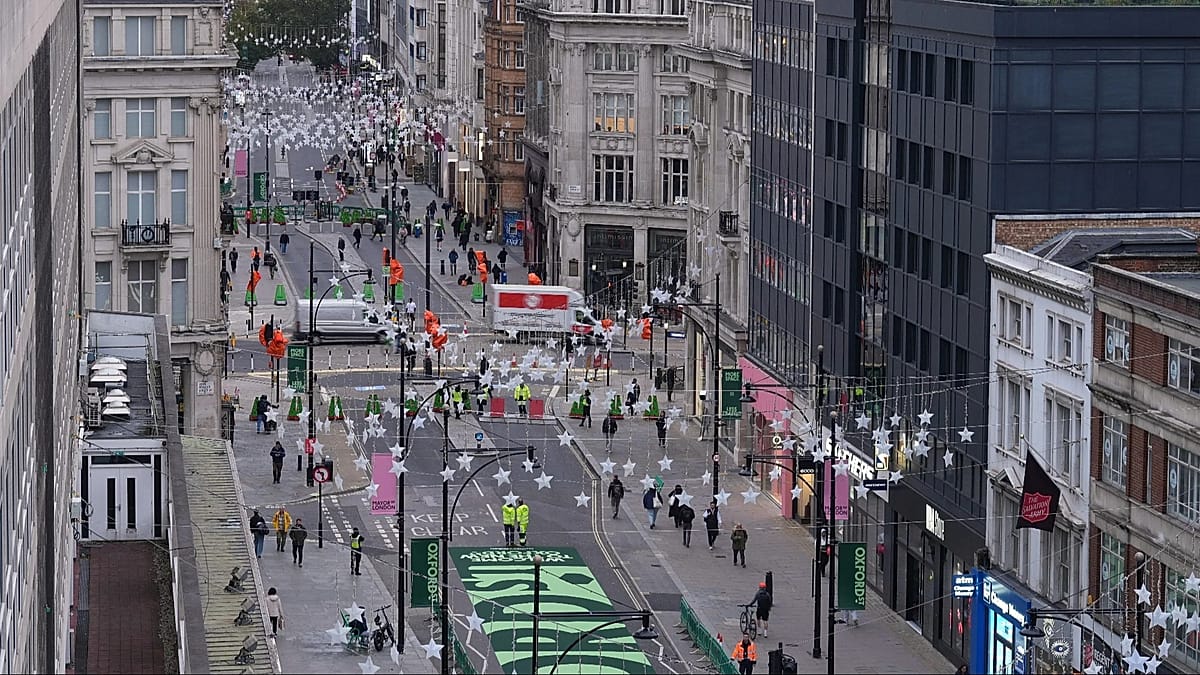
For decades, Oxford Street has been synonymous with London retail, drawing millions of visitors each year to its department stores and flagship shops. But the thoroughfare has also been a byword for congestion, with double-decker buses and black cabs crawling through crowds of shoppers. That era came to an end on 26 October, when the street officially closed to motor traffic.
The pedestrianisation covers the stretch between Orchard Street and Great Portland Street, a distance of nearly a kilometre. Buses, cars, and bicycles are now diverted onto surrounding roads, leaving the tarmac to pedestrians. The change is the first phase of a broader overhaul that will eventually bring trees, seating, and two new public squares to the area.
A long-awaited transformation
The idea of removing traffic from Oxford Street has been discussed for more than a decade, but it gained real momentum only in the past two years. The creation of the Oxford Street Development Corporation, a body set up by the mayor's office, helped shepherd the project through planning and consultation. Local residents had opposed earlier proposals, fearing that diverted traffic would clog their neighbourhoods. A public consultation ultimately concluded that a traffic-free street would attract new shops and visitors, making it “an iconic destination”.
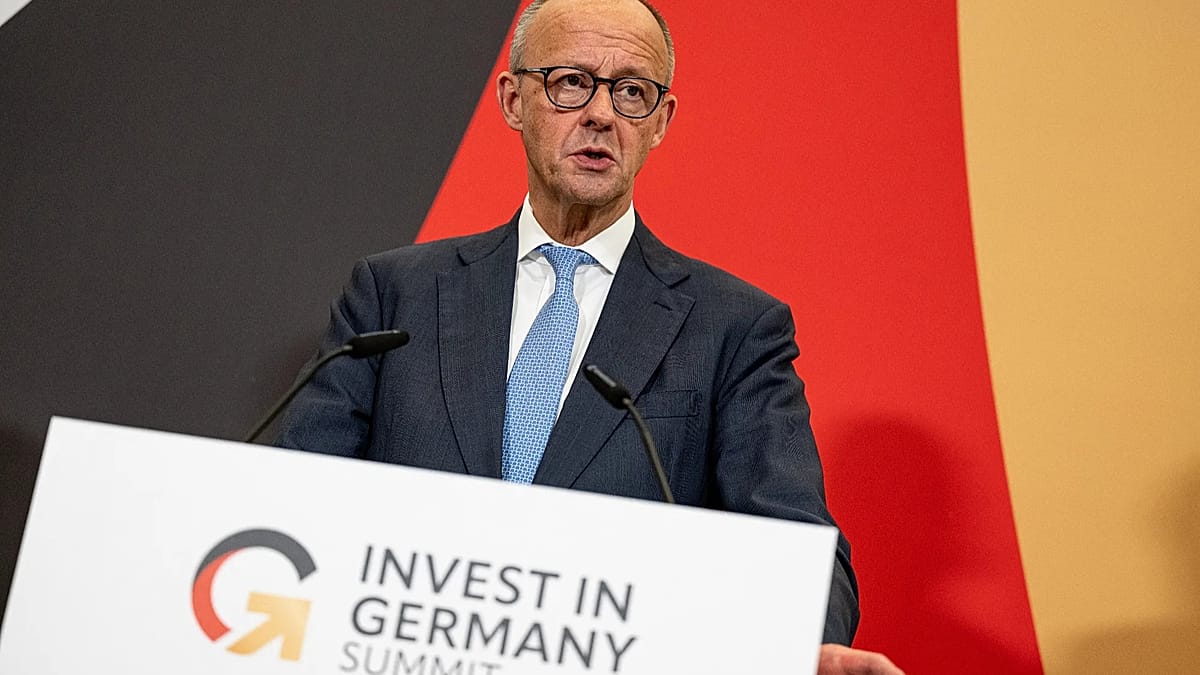
London Mayor Sadiq Khan called the opening of the pedestrianised stretch “a momentous day for London, a momentous day for Oxford Street”. Speaking to the BBC, he said the move marked “a new era” for the shopping district. The project has also been boosted by the arrival of the Elizabeth Line, the new east-west railway that runs beneath the city and has a station at Tottenham Court Road, close to the pedestrianised zone.
Further work is scheduled to begin in the new year, with officials refining their plans based on feedback from visitors. Khan told reporters that he wanted people to come to Oxford Street before Christmas “to shop and enjoy the experience”.
The street still sees around half a million visitors a day, with shoppers moving between anchors such as Selfridges, Zara, and John Lewis. City officials argue that pedestrianisation will put Oxford Street back in the same league as other global shopping destinations like Times Square, the Champs-Élysées, and La Rambla.
Christmas lights and a new look
The timing of the change is no accident. The holiday season is traditionally one of the busiest periods for Oxford Street, and this year the famous Christmas lights will have a Harry Potter theme, marking the opening of the UK's largest official Harry Potter store and the launch of a new HBO series. The tradition of lighting the street dates back to 1959, and in past years the display has featured thousands of stars powered by hundreds of thousands of LED bulbs.
The pedestrianisation is part of a wider effort to modernise London's retail core, which has faced challenges from online shopping and changing consumer habits. Similar initiatives have been tried in other European cities, from Madrid's seasonal street events to Almaty's pedestrian-friendly zones. Whether the move will be enough to restore Oxford Street's former glory remains to be seen, but for now, the city is betting that a calmer, greener shopping experience will draw people back.
Not everyone is convinced. Some retailers worry that removing buses will make the street harder to reach for older shoppers and those with disabilities. Others question whether the diverted traffic will simply shift congestion to nearby roads. City officials say they will monitor the impact and adjust as needed.
For visitors, the change is immediately noticeable. The roar of engines has been replaced by the sound of footsteps and conversation. The street feels wider, and the air is cleaner. Whether it will become a model for other European shopping streets remains an open question, but London has made its choice.