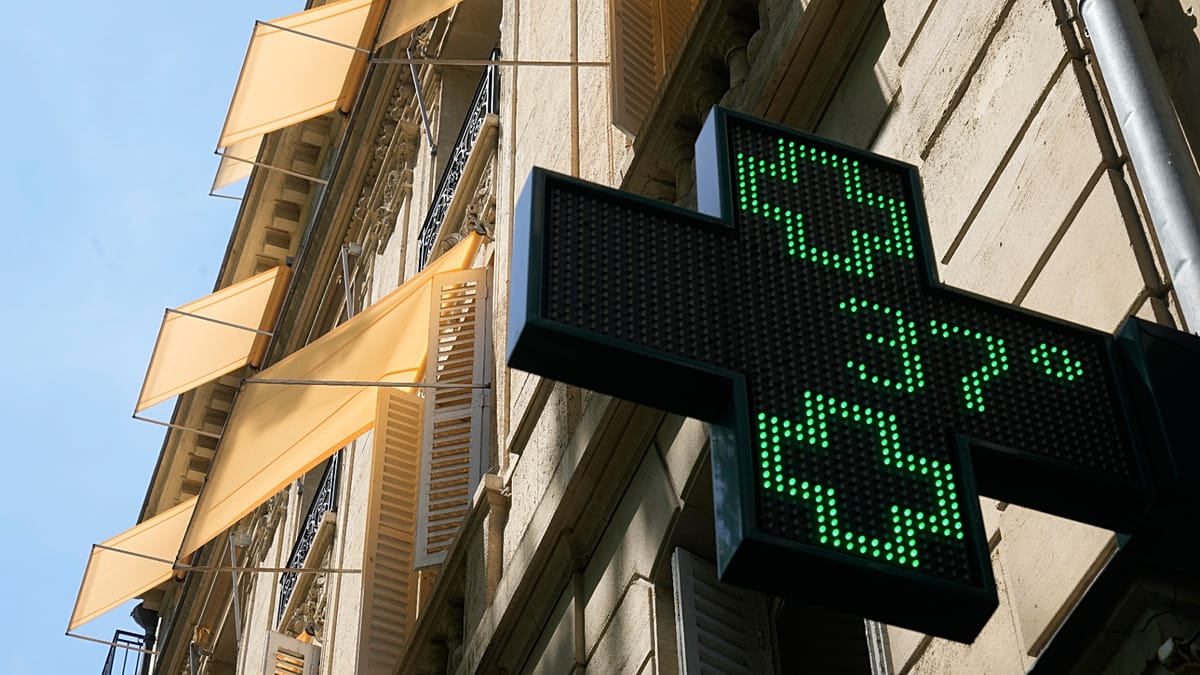
Europe is in the grip of its second extreme heat event in less than a month, with temperatures forecast to reach 45°C in parts of Spain and the high 30s across France, the UK, Germany, Italy, Portugal, and Switzerland. The heatwave, which began on Sunday in Spain with red and orange alerts, is already disrupting daily life from school schedules to rail networks.
In France, more than half of the country is on red alert. Officials have closed 845 schools as of Monday, with another 1,800 set to release students early. The closures come just a week after Education Minister Édouard Geffray proposed shifting exam times to avoid the hottest parts of the day. Regional authorities in Île-de-France have allocated €1 million to equip 500 examination centres with fans and water spray systems. The UK has not yet announced mass closures, but some schools have relaxed uniform rules and are conducting risk assessments.
Rail networks under strain
Train services in Paris and Belgium are being cut to reduce the risk of breakdowns. Track distortions, embankment fires, and sagging power lines are common hazards when temperatures soar. In Île-de-France, one in ten trains was cancelled on Monday, and regional president Valérie Pécresse advised against unnecessary travel, urging people to work from home. UK rail operators like Great Western Railway have also reduced services and extended journey times during the hottest periods to prevent rails from buckling.
The heatwave is exacerbating wildfire and drought risks, particularly as soil remains parched from the May heatwave. In France's Cher department, a fire has already burned 25 hectares of crops and forced around 50 people to evacuate.
Health warnings and alcohol bans
France's annual Fête de la Musique went ahead over the weekend, but the government banned alcohol consumption in public places under red alert to reduce dehydration risks. Some events were cancelled or moved indoors. In Paris, revellers cooled off in Canal Saint-Martin, which opened to swimmers on 17 June, but authorities have urged extreme caution after a surge in drownings in France and Germany. Swimmers are advised to stay in supervised areas, avoid jumping into natural rivers, and ease into cold water slowly to prevent shock.
The elderly, young children, and those with pre-existing conditions face the greatest risk, along with Europe's hundreds of thousands of seasonal outdoor workers, most of whom are migrants. Akshay Deoras, a senior researcher at the University of Reading's National Centre for Atmospheric Science, told AFP: “Human-driven climate change has provided the springboard for this event, loading the atmosphere with extra heat and making extreme temperatures far more intense than they would have been in the past.”
More than 62,000 people died from heat-related causes across Europe in 2024, the continent's hottest year on record, and experts warn that number will rise as temperatures continue to climb. The UK's Climate Change Committee has called for air conditioning to be installed in all schools within 25 years, though AC itself contributes to the problem by releasing planet-heating CO2 and refrigerants.
For more on how Parisians are coping, see Parisians Flock to Canal Saint-Martin as Heatwave Sends Temperatures Soaring. The situation in France remains critical, with France recording its third-hottest day as the heatwave peaks across the continent.