For travellers who measure a trip by the creatures they spot rather than the sights they tick off, a new ranking offers a fresh set of ambitions. Compiled by wildlife experts and travel writers, the list of the ten best wildlife encounters worth travelling for includes several European destinations that reward patience with unforgettable sightings.
Europe's wild side takes centre stage
While classic African safaris dominate the upper reaches of the ranking, Europe's own biodiversity is increasingly recognised. The Iberian lynx, once on the brink of extinction, now draws dedicated wildlife watchers to the hills of Andalusia in southern Spain. Conservation efforts have brought the population from fewer than 100 individuals in 2002 to over 2,000 today, making sightings in the Sierra de Andújar and Doñana National Park a realistic possibility.
Romania's Carpathian Mountains offer a different kind of thrill: tracking brown bears, wolves, and lynx through some of Europe's last old-growth forests. The town of Zărnești, near Brașov, has become a hub for bear-watching hides, where visitors can observe these powerful animals from safe distances. Local guides emphasise responsible tourism, ensuring that the bears' natural behaviour is not disrupted.
Further north, the Arctic archipelago of Svalbard, part of Norway, provides a starkly beautiful backdrop for polar bear sightings. Expeditions from Longyearbyen navigate icy fjords, where the world's largest land carnivore roams. The season is short—typically from June to August—and demand is high, so early booking is essential.
The list also highlights marine encounters. In the Azores, a Portuguese archipelago in the mid-Atlantic, sperm whales and blue whales can be seen year-round, with summer months bringing a peak in sightings. The islands' deep waters, just a short boat ride from the coast, make them one of Europe's premier whale-watching destinations.
Closer to home for many, the Danube Delta in Romania—a UNESCO World Heritage site—offers a chance to see pelicans, pygmy cormorants, and the rare white-tailed eagle. Birdwatchers flock to the delta's labyrinthine channels, often by traditional wooden boats, for a serene and immersive experience.
The ranking also acknowledges the appeal of the Iberian wolf in northern Portugal and Spain, where rewilding projects have allowed packs to expand. Guided tours in the Sierra de la Culebra, near Zamora, offer evening vigils that can end with the haunting sound of wolves howling at dusk.
For those seeking a more accessible encounter, the Scottish Highlands are home to red deer, golden eagles, and the elusive Scottish wildcat. The Cairngorms National Park, the UK's largest, provides a range of guided walks and hides that make wildlife watching possible even for novice enthusiasts.
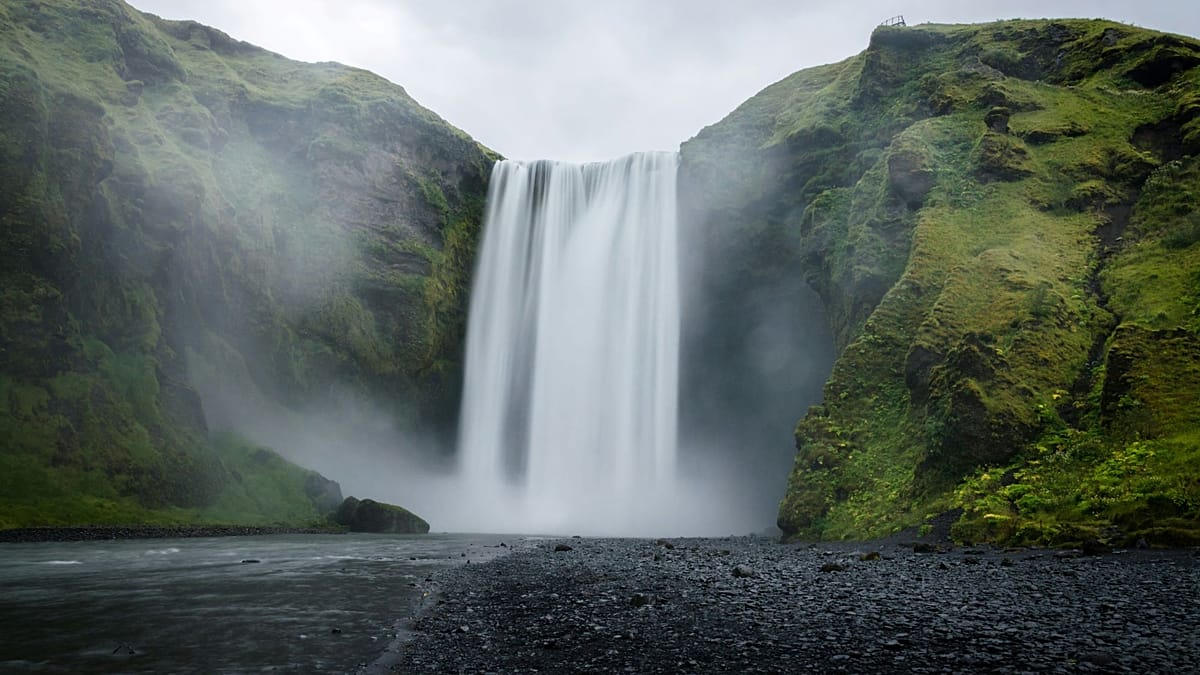
Europe's wildlife tourism is not just about the animals; it is also about the landscapes. From the volcanic terrain of Iceland, where puffins nest on sea cliffs, to the Mediterranean islands of Greece, where monk seals hide in sea caves, each destination offers a unique combination of fauna and scenery.
The ranking's compilers stress that ethical considerations are paramount. They recommend choosing operators that follow strict guidelines, limit group sizes, and contribute to local conservation efforts. This approach ensures that the encounters remain sustainable for years to come.
As travel rebounds across the continent, these wildlife experiences offer a compelling reason to explore Europe's natural heritage. Whether it's the thrill of seeing a lynx in the Spanish scrubland or the quiet patience of waiting for a bear in the Carpathians, the continent's wild side is waiting to be discovered.