Four years after the energy crisis triggered by Russia's invasion of Ukraine, Europe finds itself again facing a winter of tight gas supplies and soaring prices. But this time, the disruption comes from the Middle East, not Moscow.
The Dutch TTF futures contract, Europe's benchmark for natural gas, has climbed from around €28 per megawatt-hour in early January to nearly €96 this week, a surge of roughly 234%. While still far below the August 2022 peak of over €340, the direction is worrying analysts and policymakers alike.
Why is gas so expensive now?
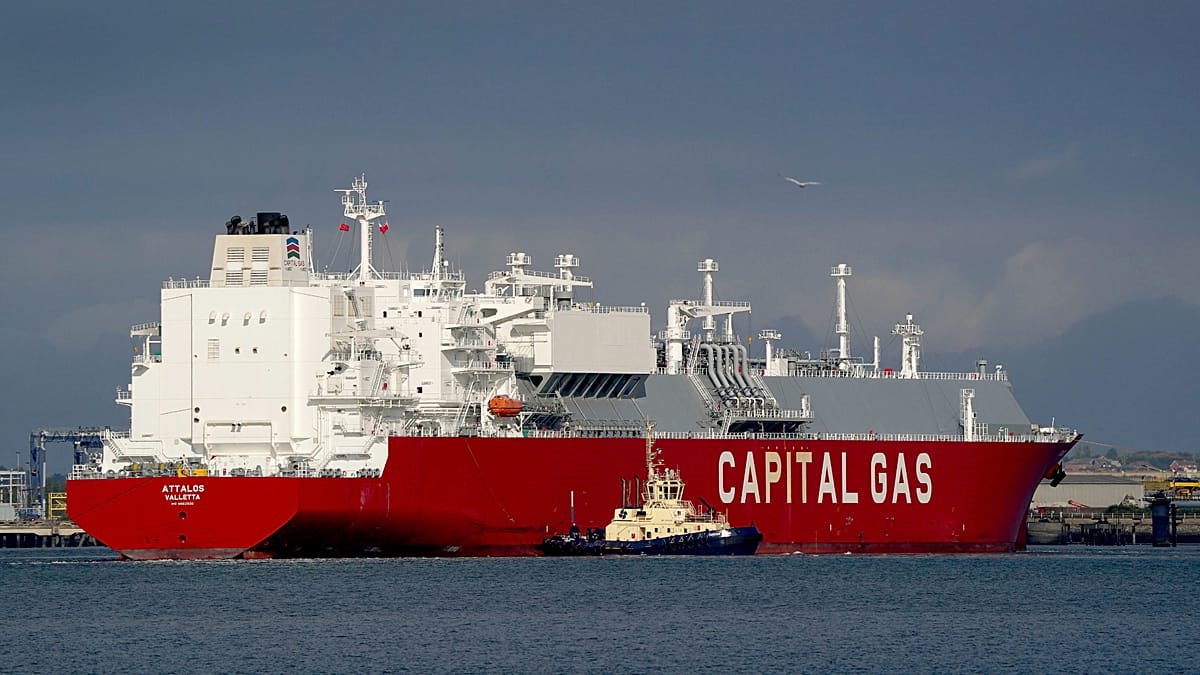
The immediate cause is the closure of the Strait of Hormuz amid the war with Iran, which has cut off Europe from Qatari liquefied natural gas (LNG). Qatar supplied about 8% of the EU's LNG imports last year, according to Brussels-based think tank Bruegel, but no cargoes have arrived since May. In a global market where Asian buyers are competing for the same cargoes, every missing shipment must be replaced at a premium.
There is also a structural gap looming: Russian LNG still accounts for about a fifth of EU imports, but a full ban takes effect in January 2027. According to a study by the Institute for Energy Economics and Financial Analysis (IEEFA), the EU may need to consume about 7% less gas than last winter to cope with the combined loss of Qatari and Russian supplies.
Storage levels at a record low
Without Qatari gas, Europe could not refill its reserves this summer. EU storage stood at 74.6% full on 24 October, compared with 82.9% a year earlier and 98.5% in 2023. IEEFA says this is the lowest level for this time of year since records began in 2011.
More concerning, storage has essentially stopped growing. In the week to 24 October, daily changes hovered around zero, and some countries have already started drawing on winter stocks before November. Austria's storage, for example, slipped from 69.3% in mid-October to 67.2%, against 84% a year ago.
Energy research firm Wood Mackenzie now expects European storage to be only around 17% to 20% full by the end of March, a few points lower than its previous forecast. That projection assumes a normal winter and that the Middle East conflict ends this year, with Qatar and the UAE returning to usual LNG output in early 2027.
"If it's a cold winter – which is not the consensus because of El Niño – storage levels could be even lower," said Tom Marzec-Manser, director for Europe Gas & LNG at Wood Mackenzie. Prices would then climb further, he added, as Europe outbids Asia for spare cargoes.
What does this mean for your bills?
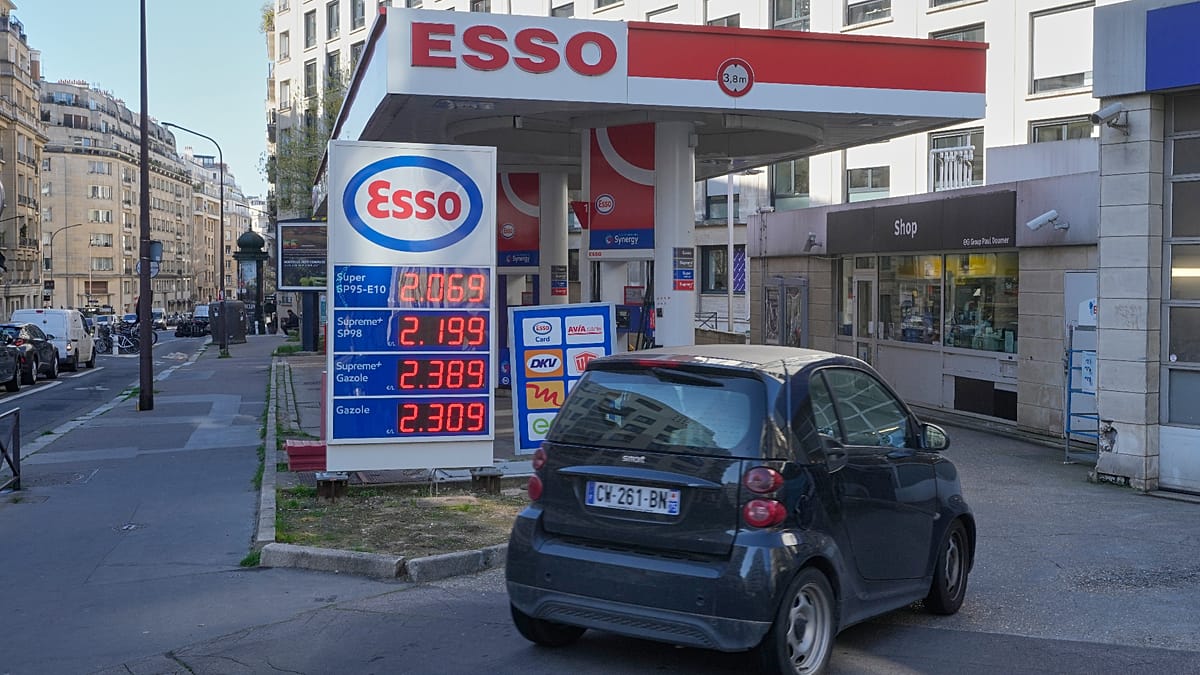
TTF futures for the coming winter months trade at about €95 per megawatt-hour, nearly three times last winter's average of about €36. That gap translates to roughly six euro cents per kilowatt-hour of gas. For a typical home heating with gas, using around 10,000 kilowatt-hours between November and March, that would add about €600 to energy costs alone. With an average VAT rate of 20%, the figure rises to around €715.
Household prices had already started climbing before the latest spike. Residential gas cost an average of 11.9 euro cents per kilowatt-hour across EU capitals in early September, 12% more than in February, according to the Household Energy Price Index (HEPI). The actual impact on each family will depend on where they live and what contract they have – fixed-price deals, regulated tariffs and government support can delay or soften the blow.
Can Europe cut its way through the winter?
Ana Maria Jaller-Makarewicz, lead energy analyst for Europe at IEEFA, says demand reduction remains the biggest lever within Europe's control. "Wind output and temperatures will determine how tight Europe's gas supply becomes this winter and how high prices go," she told Euronews.
For households, simple measures can help: turning thermostats down by one degree could save up to 10% on energy bills, according to Jaller-Makarewicz. Lowering hot water temperatures and draught-proofing homes also make a difference.
On whether Brussels should coordinate demand cuts now, rather than wait for a price spike, she suggested a shared approach with national flexibility. "Brussels could provide a framework to achieve this target, allowing individual member states to implement measures tailored to their specific domestic gas markets."
The longer-term answer, in her view, is to keep reducing how much gas Europe needs. "Each new renewable energy project, battery storage system and grid upgrade reduces our vulnerability," she said.
Even a quick end to the war would not bring immediate relief. Marzec-Manser estimates it will take until autumn 2028 to bring the global LNG market back into balance, meaning wholesale prices will remain high in Europe for much of that time. For now, the continent must brace for a winter of tight supplies and tough choices.