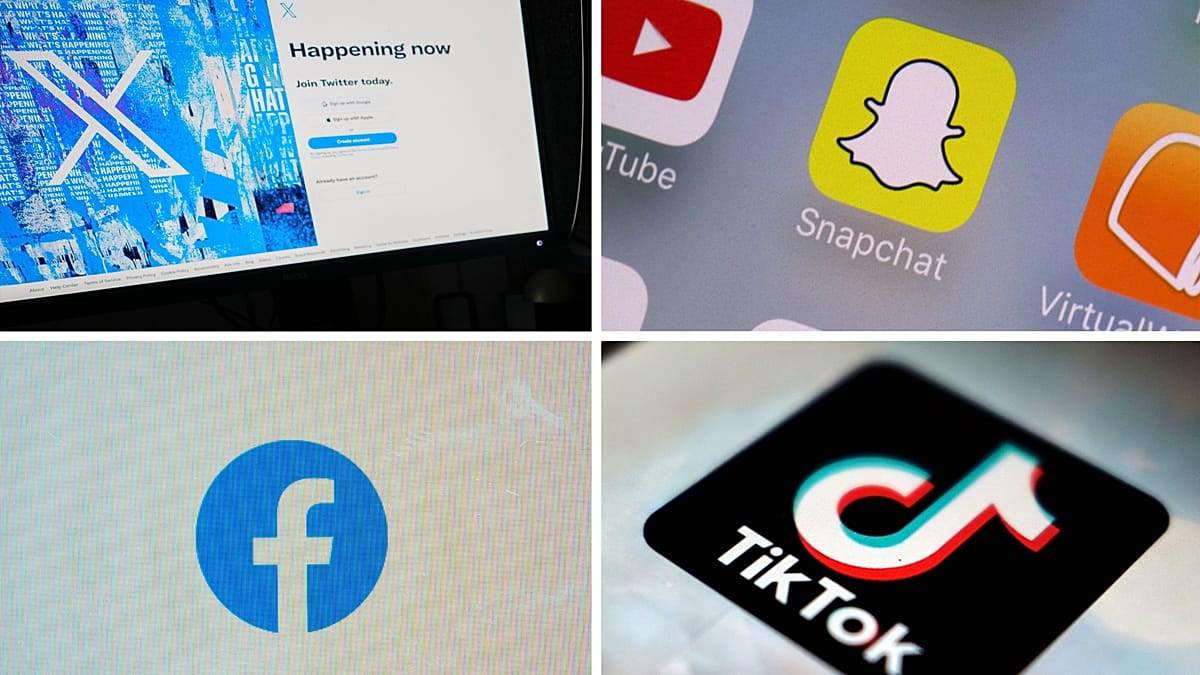
Across Europe, a growing number of governments are taking aim at social media platforms, proposing or enacting legislation that would restrict access for children under 16. The moves reflect mounting concern over the impact of platforms like TikTok, Instagram, and Snapchat on young people's mental health, sleep, and family life.
The United Kingdom's New Stance
The United Kingdom is the latest to join this wave. Prime Minister Keir Starmer announced the ban on Monday, citing feedback from "thousands" of parents who told the government during consultations that their children "are addicted to social media and ... trapped in a cycle of endless scrolling that displaces play, sleep and time with the family." In a video posted to X, Starmer stressed that the decision was not rushed: "We haven't rushed into it, we have looked carefully at the evidence."
The UK's move follows Australia, which became the first country to introduce a 16-and-under social media restriction last December. According to a March report by Australia's eSafety Commissioner, nearly five million accounts were deactivated in the first three months, though some children have managed to retain or create new accounts by bypassing age verification systems.
Other European countries—including France, Turkey, Greece, Portugal, Austria, Spain, Italy, Finland, and Germany—have either passed or are considering similar legislation. Here is a closer look at what has been proposed.
France: A Push for EU-Wide Coordination
France's Minister of Digital Affairs, Anne Le Hénanff, stated over the weekend that she wants a law in force by the start of the school year in September, acting "for the best interest of our children." The National Assembly approved a bill in January 2026 that would prohibit social media access for children under 15. The Senate subsequently adopted a modified version, allowing some exceptions, in a first reading.
The French government is awaiting validation from the European Commission on how to proceed, with a deadline of July 10. If Brussels approves the text, it will go to a joint committee and then face another vote in parliament. The Senate's amendments distinguish between platforms deemed detrimental to a child's "physical, mental or moral development" and those that are not. Under the proposed text, children would be banned from harmful platforms unless they pass age verification, while they could access non-detrimental platforms with parental consent.
In addition to restricting social media for under-15s, the legislation would ban smartphones in all French high schools. France already passed a law in 2023 requiring parental consent for children under 15 to open social media accounts, but it was never implemented due to compatibility issues with the EU's Digital Services Act (DSA). Le Hénanff and President Emmanuel Macron have called for a unified European approach, though they estimate such an agreement could take two to three years.
Turkey: Legislation with Penalties
On April 23, Turkish lawmakers voted to pass a bill that includes restricting access to social media for children under 15, according to the Associated Press. The bill requires platforms to install age verification systems, provide parental control tools, and respond rapidly to harmful content. Digital platforms such as YouTube, TikTok, Facebook, and Instagram would have to block under-15s from opening accounts and introduce parental controls. Online game companies must appoint a representative in Turkey to ensure compliance. Potential penalties include bandwidth reductions and fines from Turkey's communications watchdog.
President Recep Tayyip Erdoğan described the context bluntly: "We are living in a period where some digital sharing applications are corrupting our children's minds and social media platforms have, to put it bluntly, become cesspools."
Greece: A Framework with Fines
In April, the Greek government announced new regulations to restrict social media use for children under 15, set to take effect in 2027. Platforms like Facebook, Instagram, and TikTok will be required to implement "reliable age verification measures" and verify the age of all current account holders. The government describes the rules as "a coherent framework" that will "gradually change the way platforms operate" to limit online harm. Non-compliant companies could face fines of up to 6% of global turnover and operating restrictions, in line with the DSA.
Greece has already banned smartphones in classrooms, a move Prime Minister Kyriakos Mitsotakis says has transformed learning. The government also launched a website last year to help parents enable parental controls. A planned Kids Wallet app would serve as the age verification tool, allowing parents to restrict or block access to apps and services while storing minors' identities for authentication.
However, a group of 25 Greek organizations wrote to the government in May expressing concerns, arguing that the restrictions could create barriers for families lacking digital skills.
As these national efforts advance, the question of EU-wide coordination remains open. The European Commission's response to France's request for guidance will be a key test of whether member states can align their approaches under the DSA framework.