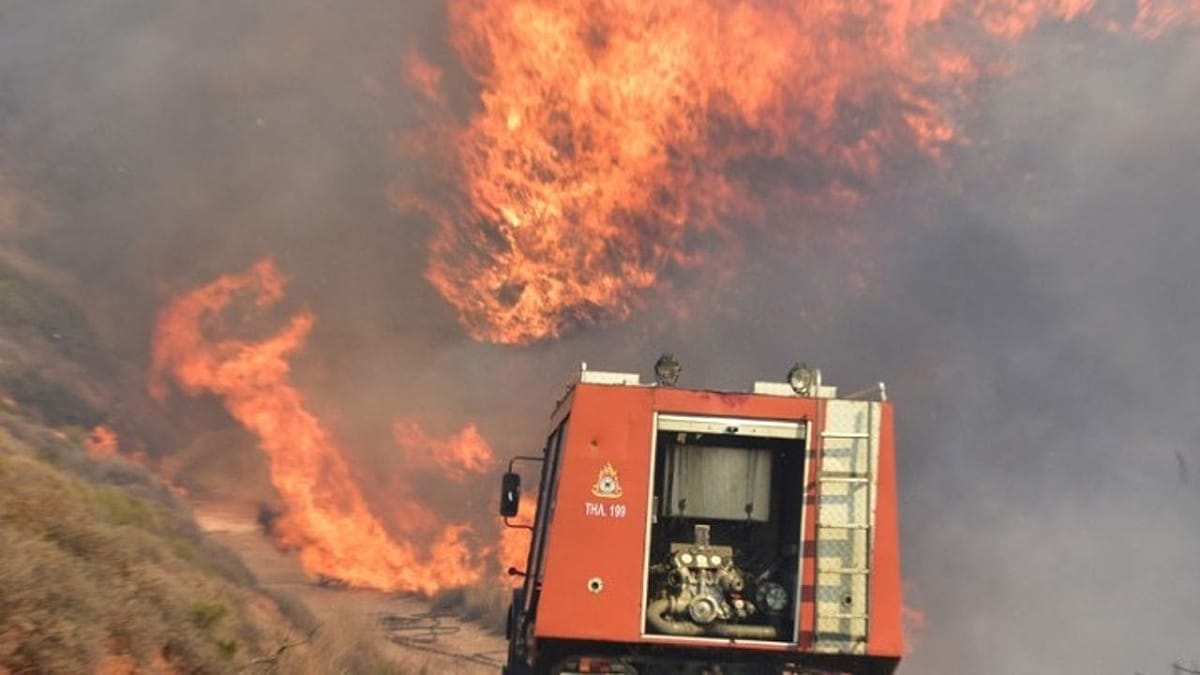
In the first half of 2026, extreme temperatures affected two-thirds of children across Western Europe — a figure three times higher than the total for the whole of 2025 and the highest since 2003, according to a new analysis by Save the Children. The data, covering January through mid-July, includes winter and spring months, suggesting the full-year toll will be even more severe.
“With climate change and also specifically heatwaves and wildfires, everything that affects everyone affects children even more,” said Matilde Angeltveit, senior advisor and global climate advocacy lead at Save the Children. “As climate change is worsening every year that passes, the impacts on children are also worsening.”
National disparities and school closures
In Germany, the number of children exposed to extreme heat in the first six months of 2026 exceeded the combined total for the previous five years. In the United Kingdom, 10 million children — more than in any single year over the past three decades — experienced extreme heat during the same period. The organisation warns that these figures are likely to rise as summer progresses.
Children are particularly vulnerable to heat because their bodies are still developing and have a lower capacity for temperature regulation. This puts them at higher risk of electrolyte imbalance, fever, respiratory disease, and kidney disease. “It impacts specifically the children who are already kind of suffering from worse health or from poverty or from other circumstances,” Angeltveit said, calling climate change an “inequality exacerbator.”
The heat has also disrupted education. In June, schools in both France and the United Kingdom closed to protect children from dangerously high temperatures. Such closures, while necessary, can widen learning gaps, especially for children from disadvantaged backgrounds.
The findings come amid a broader pattern of degraded landscapes amplifying climate extremes across the continent, as experts have warned that deforestation, soil degradation, and urban sprawl are making heatwaves and droughts more intense.
Call for accelerated climate action
To reverse the trend, Angeltveit urged governments to accelerate the transition from fossil fuels to renewable energy. “That should be a kind of no-brainer to implement climate action in a quicker and more urgent and more decisive way,” she said, adding that such measures could dramatically reduce children’s exposure to climate dangers.
A report published last year by Save the Children and the Vrije Universiteit Brussel estimated that nearly a third of the world’s children born in 2020 — about 38 million — would be spared a lifetime of “unprecedented” exposure to extreme heat if the world meets the 1.5°C warming target set by the Paris Agreement. “Without drastic mitigation action to reduce emissions and limit warming to 1.5°C above pre-industrial levels, … the children of these low- and middle-income countries will be burdened with the most dangerous impacts of the climate crisis,” the report stated.
The current data for Western Europe underscores that even affluent nations are not immune. The June heatwave across Europe set records for temperatures, excess deaths, and crop losses, further straining health systems and agriculture.
As the continent braces for more extreme weather, child rights organisations are calling on European governments to integrate child-specific protections into national climate adaptation plans. Without swift action, the burden on the youngest generation will only grow heavier.