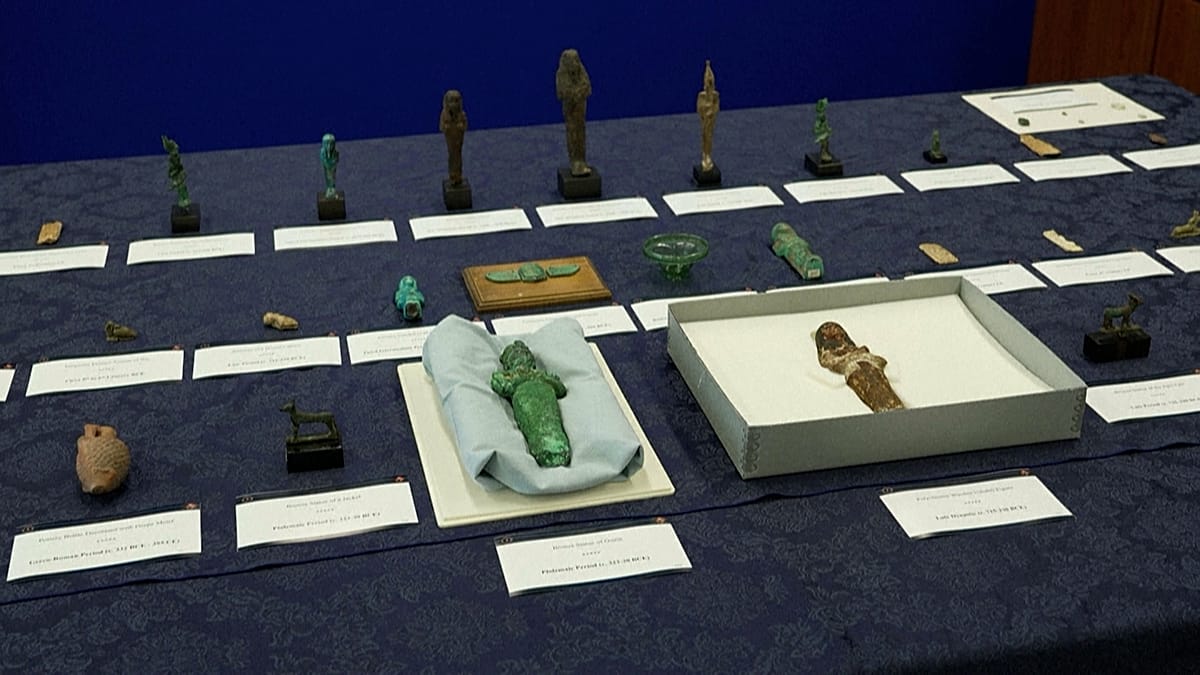
Forty-eight ancient Egyptian artefacts have been formally handed back to Egyptian authorities following a probe by the FBI's Art Crime Team. The repatriation, confirmed by Egyptian officials, marks the latest step in a broader international effort to stem the illicit trade in cultural heritage.
The returned objects span several eras of Egyptian history, including the Pharaonic, Roman and Coptic periods. Among them are small figurines, amulets and funerary equipment, items that would have been used in daily religious practice or placed in tombs to accompany the deceased. Their exact provenance and the circumstances of their removal from Egypt have not been fully disclosed, but the FBI's involvement suggests a cross-border trafficking network was involved.
A growing global push for repatriation
The handover is part of a wider trend in which Western museums, auction houses and law enforcement agencies are increasingly cooperating with source countries to return looted antiquities. Egypt has been particularly active in pursuing repatriation, often working with Interpol and national police forces across Europe and North America.
Similar efforts have seen European institutions return objects to their countries of origin. In recent years, Germany and France have both agreed to return Benin Bronzes to Nigeria, while Italy has recovered artefacts from museums in the United States and the United Kingdom. The return of these Egyptian pieces underscores the importance of international legal cooperation in protecting cultural heritage.
The FBI's Art Crime Team, established in 2004, investigates thefts and trafficking of cultural property. Its work has led to the recovery of thousands of objects, from paintings by Old Masters to archaeological finds. In this case, the team's investigation appears to have traced the artefacts to their illegal removal from Egypt, though no details have been released about how they were smuggled or where they were found.
Egypt's Ministry of Tourism and Antiquities welcomed the return, describing it as a victory for international collaboration. The artefacts will now undergo conservation and study before being displayed in museums, where they will join other repatriated items in telling the story of Egypt's rich past.
The case also highlights the ongoing challenges of policing the antiquities market. While many countries have strict laws against exporting cultural property, looters and traffickers continue to exploit gaps in enforcement. The FBI's involvement in this case, which likely involved coordination with Egyptian authorities and possibly European partners, shows how cross-border investigations can yield results.
For Europe, the story resonates beyond Egypt. Many European museums hold collections acquired during colonial eras or through dubious means, and debates over restitution have intensified. The return of these artefacts to Egypt may serve as a reminder that provenance matters, and that the rightful owners of cultural treasures often lie far from the display cases where they ended up.
As the artefacts are prepared for their return to public view, Egyptian officials have expressed hope that more such recoveries will follow. The fight against looting is far from over, but each repatriation strengthens the principle that cultural heritage belongs to its people.