The US Federal Reserve opted to keep its benchmark interest rate unchanged at 3.50-3.75% on Wednesday, marking the fifth straight meeting without a move. However, the decision was not unanimous: three of the 12 voting members of the Federal Open Market Committee dissented, pushing for a quarter-percentage-point increase.
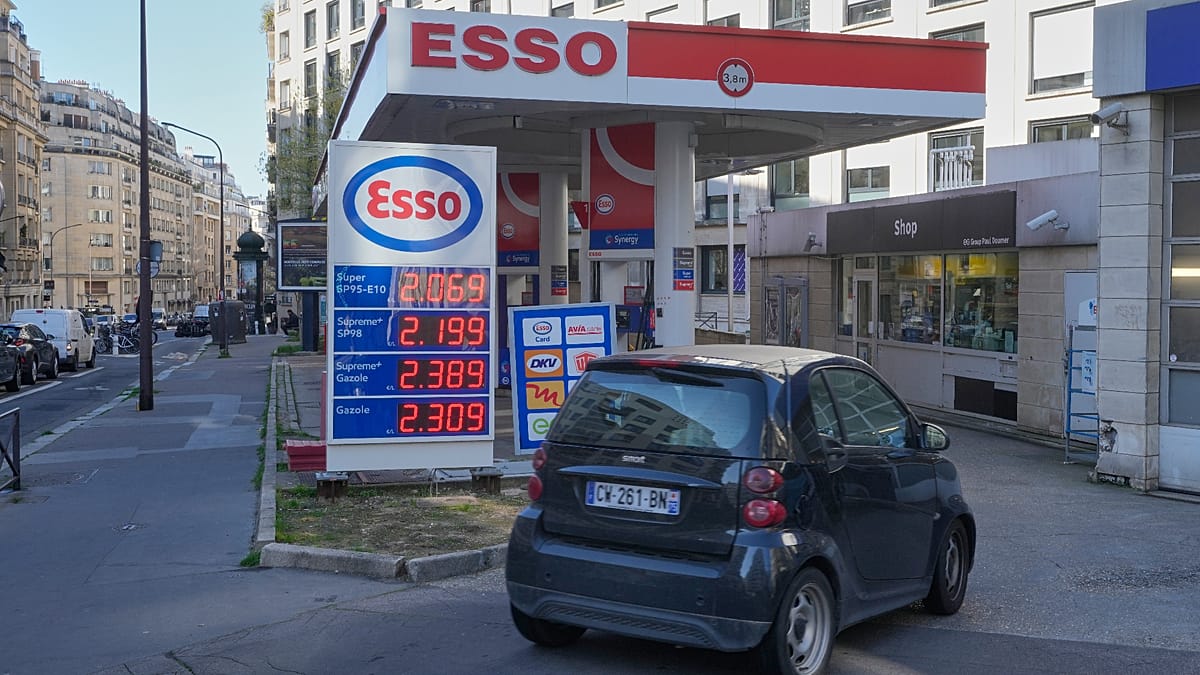
The central bank described inflation as “elevated” in its post-meeting statement, repeating language from previous months. Annual consumer-price inflation eased to 3.5% last month, but the ongoing conflict in the Middle East — particularly the Iran war — has driven energy prices higher, complicating the outlook.
Economists had largely anticipated the hold, though financial markets still assign a significant probability to a rate rise in September. Richard Carter, head of fixed interest research at Quilter Cheviot, noted that while the Fed avoided a hike this time, it “continues to leave the option in its back pocket just in case it gets spooked about the path for inflation and has to break the glass.”
Three dissents signal internal divisions
The three dissenters were Beth Hammack, president of the Federal Reserve Bank of Cleveland; Neel Kashkari, president of the Minneapolis Fed; and Lorie Logan, president of the Dallas Fed. All three had previously signalled openness to higher rates to combat persistent price pressures.
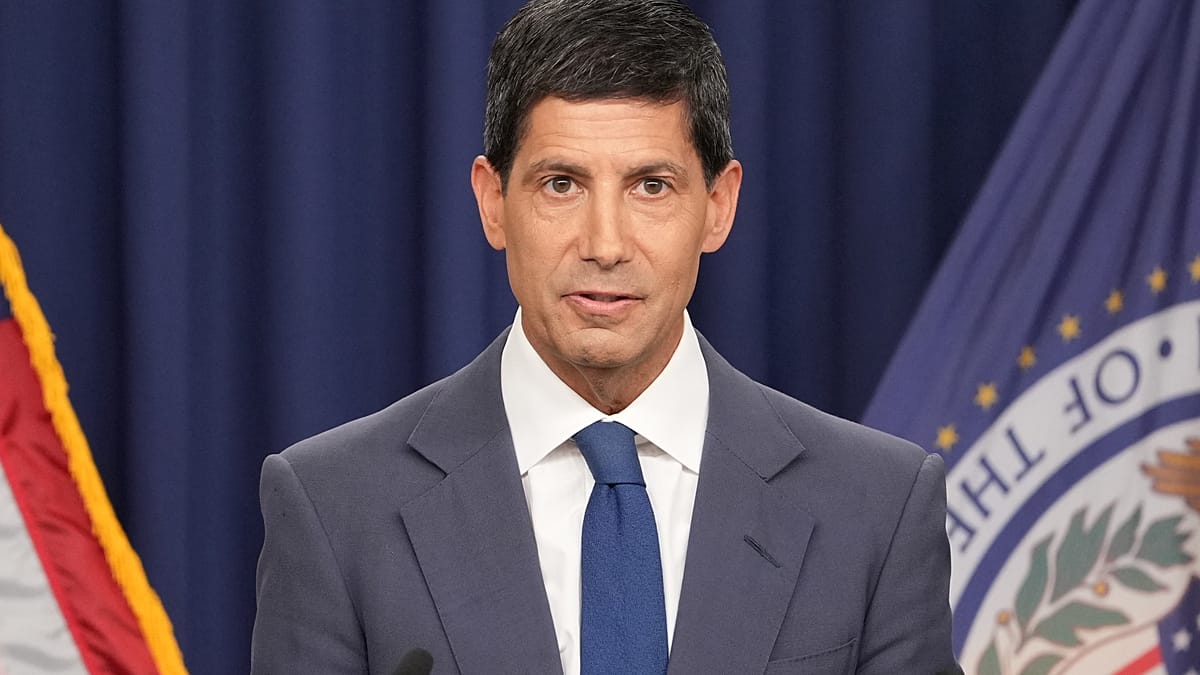
Fed Chair Kevin Warsh acknowledged the split during a press conference, saying: “I asked for a good family fight, and I got one.” He described the US economy as showing “impressive resilience, even with recent shocks,” and noted that “the trends are positive and reveal solid growth.”
Warsh also stressed that the economy was performing “pretty well” relative to the central bank’s full-employment mandate. But he added: “Inflation remains elevated relative to the committee’s 2% goal.”
Inflation has now stayed above the Fed’s target for more than five years. The Iran war has intensified uncertainty, driving up oil prices and adding to the pressure on the central bank. Carter observed that “June’s better-than-expected inflation readings mean the Fed has the breathing room to take such an approach this time, but as we have seen in the Middle East, things can change quickly, and price pressures can return almost as soon as they have dissipated.”
When asked about restoring price stability, Warsh vowed the central bank would deliver but cautioned against expecting quick fixes. “We are on the job. We will deliver,” he said. “But the suggestion that we’re going to be able to do it with our magic wands is one I want to disabuse you and everyone else of.”
The decision comes as the European Central Bank held its own rates at 2.25% earlier this month, with the renewed Iran conflict keeping the possibility of an autumn hike alive. For European investors and policymakers, the Fed’s stance matters: a prolonged period of elevated US rates could strengthen the dollar, weigh on eurozone exports, and complicate the ECB’s own inflation fight.
Meanwhile, the broader global economic picture remains fragile. The war in the Middle East has already pushed up energy costs across Europe, and any further escalation could feed through to consumer prices more broadly. The Fed’s decision to hold steady — despite internal dissent — suggests it is betting that inflation will ease without further tightening, but the three dissenting votes underline the risk that price pressures may prove stickier than hoped.