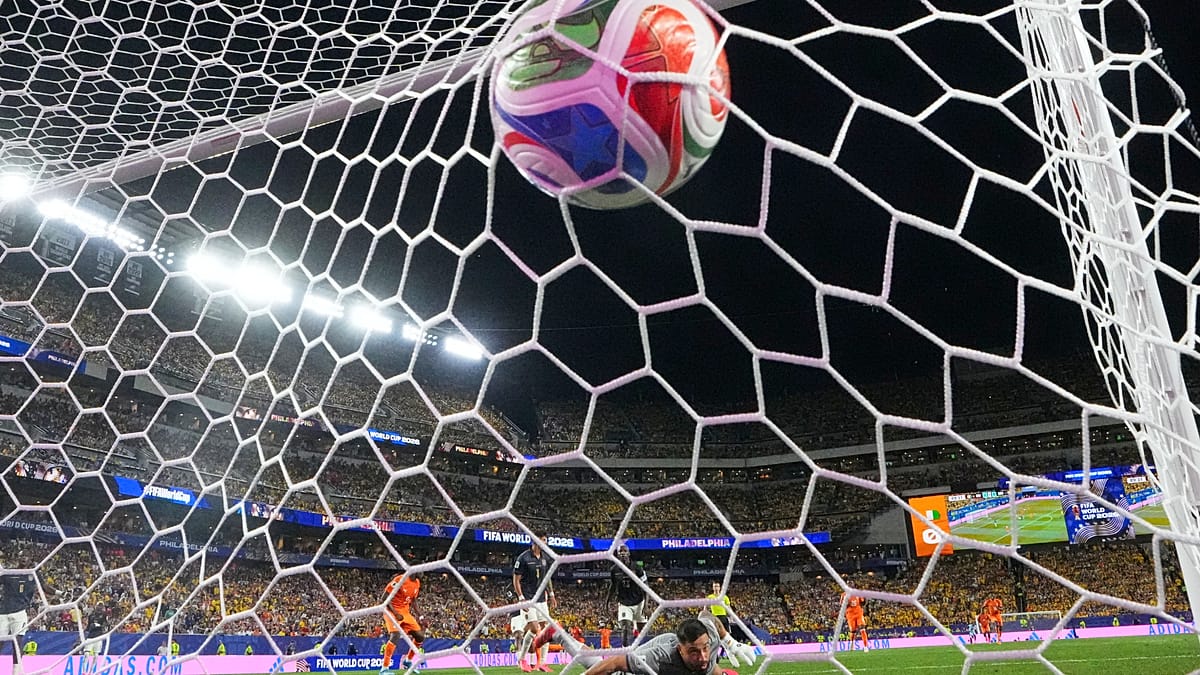
FIFA's decision to implement dynamic pricing for the 2026 World Cup, co-hosted by the United States, Mexico, and Canada, has sparked a transatlantic debate over ticket affordability. The tournament's most expensive tickets—category 1 seats for the final in New Jersey on 19 July—have soared from an initial $8,680 (€8,000) to $32,970 (€30,400) by May, according to the Associated Press. Even group-stage entry-level tickets start at $140 (€129).
FIFA President Gianni Infantino has defended the pricing strategy, arguing that it reflects US market rates and prevents scalpers from profiting. “In the US, it is permitted to resell tickets as well,” Infantino told reporters in May, as reported by The Guardian. “If you were to sell tickets at a price which is too low, these tickets will be resold at a much higher price.” He added that the average ticket price of under $500 is comparable to US sports playoffs.
However, European experts and consumer groups are pushing back. Simon Chadwick, professor of Afro-Eurasian Sport at Emlyon Business School in Lyon, told Euronews that comparing a 48-team, five-week international tournament to end-of-season franchise playoffs is “rather disingenuous.” He noted that the World Cup draws a far broader, often economically disadvantaged global fan base, unlike the mature, high-spending US sports market.
Dynamic Pricing and the European Fan
Dynamic pricing, which adjusts ticket costs based on real-time demand, has been standard in US sports since 2009 but is less common in European football. For European fans accustomed to the Euro 2024 final in Berlin—where the most expensive seats cost €2,000 and entry-level tickets started at €95—the 2026 World Cup prices represent a stark shift. Category 1 tickets for the 2018 Russia World Cup cost $1,100, and for Qatar 2022, $1,607.
Olivia Brown, policy officer at Euroconsumers, the European umbrella consumer group, expressed skepticism about FIFA's rationale. “We’re seeing tickets being sold at something over €2 million; many more intermediaries are making money from that resale,” she said. “The argument that dynamic pricing helps keep the money in sport is something we’re sceptical about.” Brown pointed out that FIFA charges a 15% fee on both buyers and sellers for resales, effectively taking a 30% cut. She suggested that a cap limiting resale to face value would have been more effective.
Infantino has insisted that FIFA consulted “the best lawyers” and “best experts” before launching sales. Yet Chadwick questioned the claim that the average ticket price will remain under $500, given that dynamic pricing means prices fluctuate continuously. “Maybe sometime in July, Infantino will be able to say this was the average price. But until then, we can’t really say that,” he said.
FIFA did offer 130,000 tickets at $60 to national federations for regular supporters, but this represents a fraction of the total inventory. For many European fans, the high prices may deter attendance altogether, raising questions about the tournament’s accessibility. As the debate continues, the 2026 World Cup serves as a case study in how global sporting events adapt to local market dynamics—and whether that adaptation serves fans or shareholders.