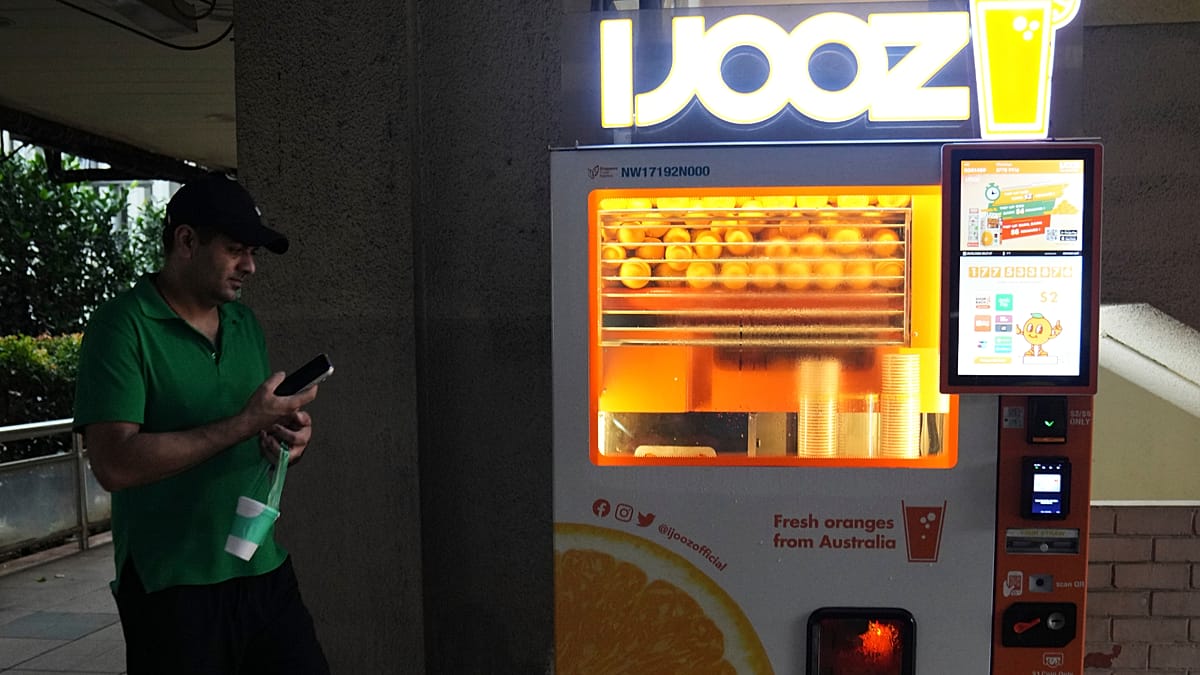
A 19-year-old French student, Didier Gaspard Owen Maximilien, was fined SG$600 (€406) in a Singapore court on Thursday after pleading guilty to a public nuisance charge. The case stems from a prank video he posted on Instagram in March, showing him licking a straw and placing it back into the dispenser of an iJooz orange juice vending machine.
Maximilien, who is studying in Singapore, captioned the clip 'city is not safe'. The video quickly went viral, drawing widespread criticism and leading to his arrest. Singapore enforces strict public order and hygiene regulations, and the stunt was deemed a breach of those rules.
Court proceedings and sentence
During sentencing, Judge Kelly Ho noted Maximilien's age and the nature of the offence, deciding against alternatives such as probation or community service. Prosecutors agreed to a fine, describing the offence as being at the 'lower end' of seriousness. They highlighted that while hygiene was compromised, no member of the public had used the straw, so there was 'no evidence of harm'. Maximilien also pleaded guilty at the earliest opportunity.
His defence counsel, Kalidass Murugaiyan, told the judge: 'He is fully sorry for having caused all this trouble.' Under Singaporean law, public nuisance carries a maximum penalty of SG$2,000 (€1,353) and three months in jail.
iJooz, a common sight in Singapore's shopping districts selling freshly-squeezed orange juice for SG$2 (€1.35) a cup, replaced all 500 straws in the machine after the incident. The company did not comment further.
The case has drawn attention to the contrast between European and Singaporean attitudes toward public behaviour. While such pranks might be dismissed as juvenile in many European countries, Singapore's no-nonsense approach to public stunts is well known. This incident also echoes broader discussions about viral content and accountability, a topic that has gained traction across Europe, particularly in France, where similar debates have emerged around social media behaviour.
For context, France has seen its own share of viral controversies, from the recent death of French DJ Kavinsky to debates over misinformation during the 2026 World Cup. However, the legal consequences in Singapore are far more severe than what a similar act might attract in France or other European Union member states.
Maximilien's case serves as a reminder of the legal risks that young Europeans face when travelling or studying abroad, especially in jurisdictions with strict public order laws. As European Pulse has reported, such incidents can have lasting implications, much like the recent French emergency farming bill that divided parties over pesticide reintroduction.
The teenager is expected to pay the fine and continue his studies in Singapore, though the incident has likely left a mark on his reputation. For now, the city-state's message is clear: viral stunts come with real-world consequences.