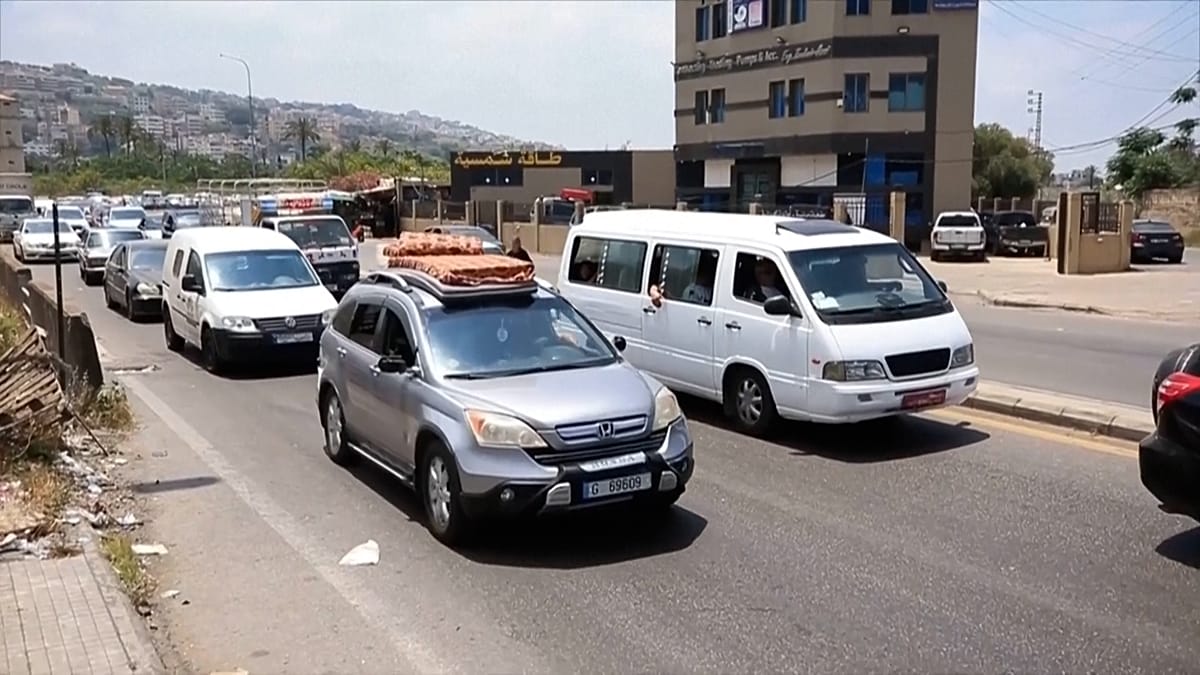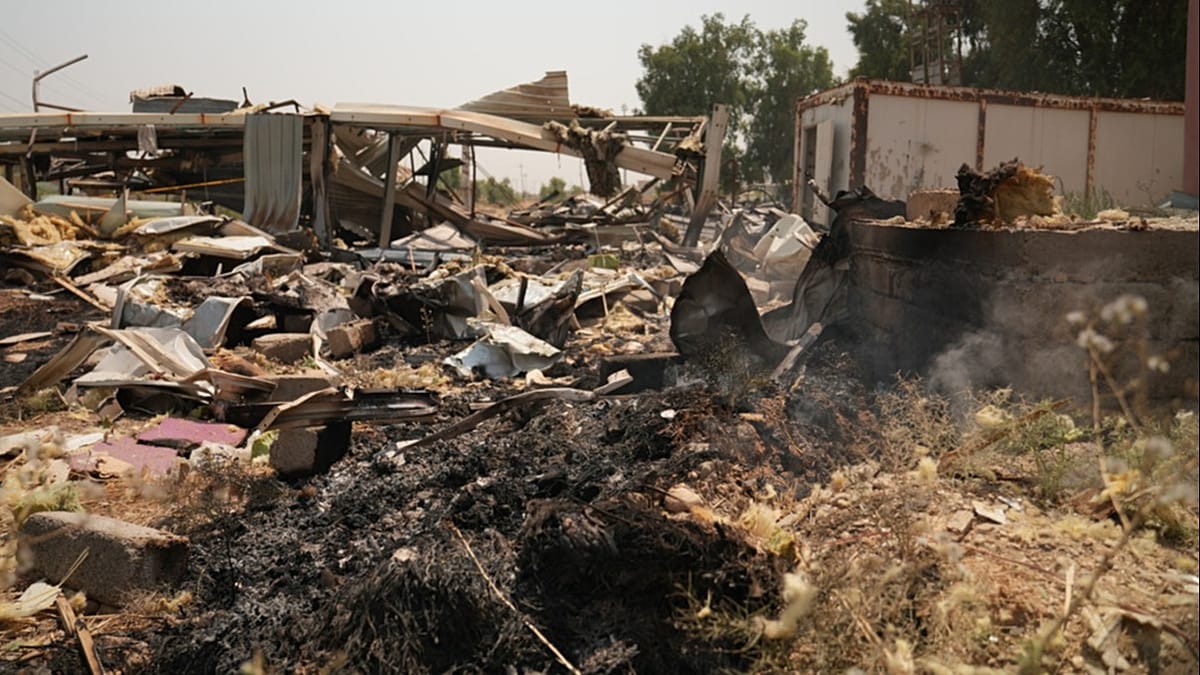
The United States military announced early Thursday that it had completed a heavy wave of strikes against Iran, retaliating for an earlier Iranian attack on a US base in Jordan. The operation, described by US Central Command as targeting dozens of sites belonging to Iran's Revolutionary Guard Corps, included military command centers, missile and drone facilities, and coastal surveillance and defense positions. The strikes lasted approximately two hours.
The latest barrage came after Washington partnered with Saudi Arabia to strike Iran-backed militias in neighboring Iraq, killing at least 20 fighters and six Iranian advisers. US President Donald Trump had vowed to hit Iran "very hard" following the foiled attack on the Jordanian base, which hosts American troops.
Widening front lines
Iranian state media reported that two people were injured in attacks on the island of Qeshm in the Strait of Hormuz, and explosions were also heard in Khuzestan province, west of Iran, near the borders with Iraq and Kuwait. Elsewhere, drone strikes ignited fires on two natural gas vessels at the Egyptian port of Damietta, according to UK maritime security firm Ambrey. The targeted ships included a US-owned floating storage facility and a Greek-owned tanker. No injuries were reported, and responsibility for those strikes remained unclear.
The flare-ups on multiple fronts, after several days of relative calm, have raised the risk of a return to all-out war. They also underscore the difficulty of winding down a five-month conflict that has jolted the world economy and is increasingly unpopular domestically in the United States. The fighting is likely to further deplete already diminished US stockpiles of sophisticated munitions needed to defend its bases and allies.
Egypt, a close US ally and regional mediator, had been one of the few countries in the Middle East spared direct military action during the war. A strike by Iran or its allies, if confirmed, would mark a significant widening of the conflict, which has already spilled over to several states. Asked during an Oval Office event whether Iran was responsible for the strikes on the natural gas vessels, Trump responded: "It's a little more of the same. In the meantime, we're going to be hitting them very hard because it's our turn to hit them."
Saudi Arabia has accused Iraqi militias of firing drones against its oil facilities over the past two days. An umbrella group of Iraqi militias initially denied the allegations, while another Iran-backed group, the Houthi rebels in Yemen, said they had attacked Saudi energy facilities as part of a separate but related conflict.
European stakes
The escalation carries direct implications for Europe. The Strait of Hormuz, a crucial waterway for global energy supplies, has been effectively closed again by Iranian attacks. European nations, heavily reliant on energy imports from the Gulf, face renewed price volatility and supply disruptions. The conflict also threatens to draw in European allies, with Greek Patriot batteries in Saudi Arabia already intercepting Houthi missiles and drones. Meanwhile, Ukraine has struck Russian cargo linked to Iran, further expanding the conflict's geographic reach.
Before the latest eruption, mediators had expressed optimism about bringing the US and Iran back to the negotiating table. An interim agreement, signed in June, collapsed in recent weeks over renewed fighting in the Strait of Hormuz. The renewed hostilities now threaten to derail any diplomatic progress, leaving European capitals scrambling to assess the fallout for their own security and economic interests.