A court in Finland has handed down a prison sentence of three years and eight months to entrepreneur Risto Riihimaki for orchestrating the export of 164 trucks and trailers to Russia, in clear violation of European Union sanctions imposed after Moscow's full-scale invasion of Ukraine. The ruling, delivered by the South Karelia district court, marks one of the most significant enforcement actions against sanctions evasion in the Nordic region since the war began.
Riihimaki's company, based in the border town of Lappeenranta, declared that the vehicles were destined for Kazakhstan or Turkey via transit through Russia—a practice that was technically permitted under the sanctions regime at the time. However, investigators from Finnish Customs found that the trucks and trailers were instead customs-cleared into Russia by a local importing and reselling firm. The total value of the exported goods was estimated at approximately €17 million.
Court Cites 'Exceptional' Nature of Offence
The court described the violation as an aggravated regulation offence, noting that the scale and method of the operation were exceptional in nature and scope. In addition to the prison term, Riihimaki and his company were ordered to forfeit €608,275 in criminal proceeds, plus €6 million representing the value of the property involved. The company also received a €10,000 fine.
Riihimaki, who has been in custody since mid-March, denied the charges, claiming he had been deceived by third parties. The verdict can be appealed, which would delay the start of his sentence.
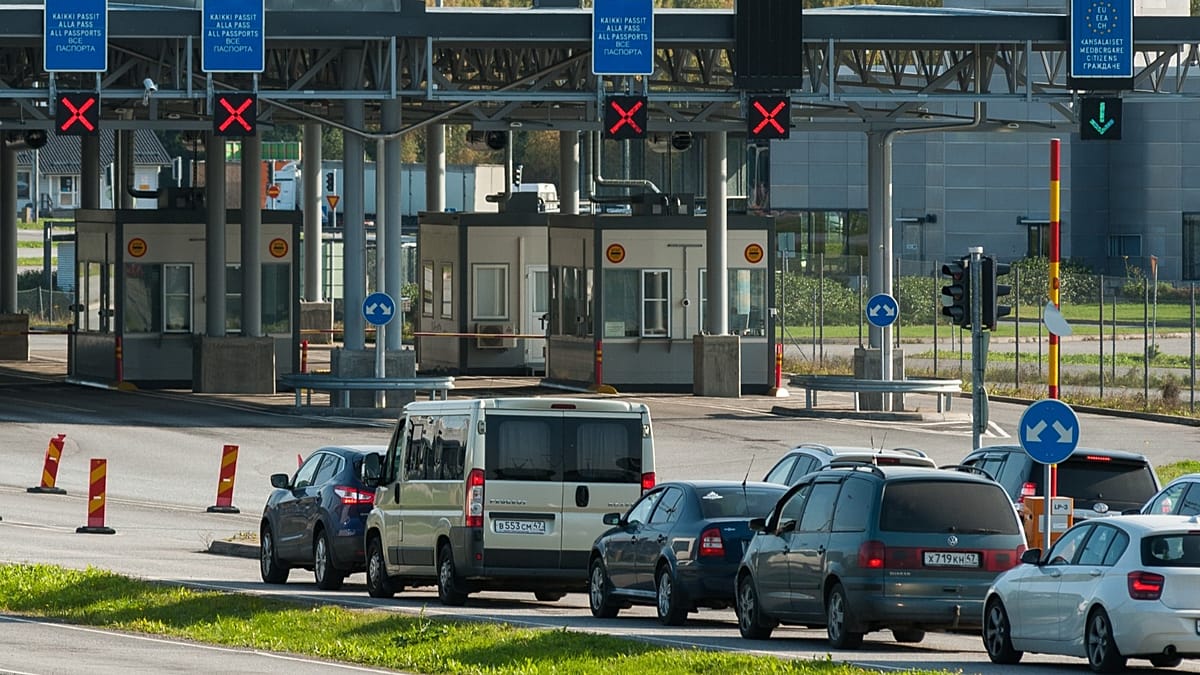
The case underscores the ongoing challenges EU member states face in enforcing sanctions, particularly along the bloc's eastern borders. Finland shares a 1,340-kilometre frontier with Russia, which has been closed to most traffic since December 2023 following the arrival of roughly 1,000 undocumented migrants. The closure has heightened scrutiny of cross-border trade and logistics.
This is not the first instance of European companies or individuals being caught circumventing sanctions. In a separate case, Ireland's EU Presidency was tainted by revelations of alumina exports to Russia, highlighting the persistent loopholes in enforcement across the continent.
The European Union has imposed multiple rounds of sanctions on Russia since February 2022, targeting sectors from energy to finance, and including export controls on dual-use goods and industrial equipment. The European Commission has repeatedly urged member states to strengthen their national enforcement mechanisms, but the patchwork of legal systems and varying levels of customs resources have allowed some evasion to persist.
Finland, which joined NATO in April 2023, has been particularly proactive in clamping down on sanctions violations. The country's customs agency has increased inspections at border crossings and launched several investigations into suspicious export patterns. The Riihimaki case is likely to serve as a deterrent for other businesses considering similar schemes.
As the war in Ukraine continues, with the frontline stalling in June as the Russian offensive lost steam, the EU is expected to tighten sanctions further. New measures targeting Russian drone manufacturers are already in the pipeline, following deadly strikes on Kyiv. For now, the Finnish court's decision sends a clear message: circumventing EU sanctions carries severe consequences, even when the route involves complex transit declarations.