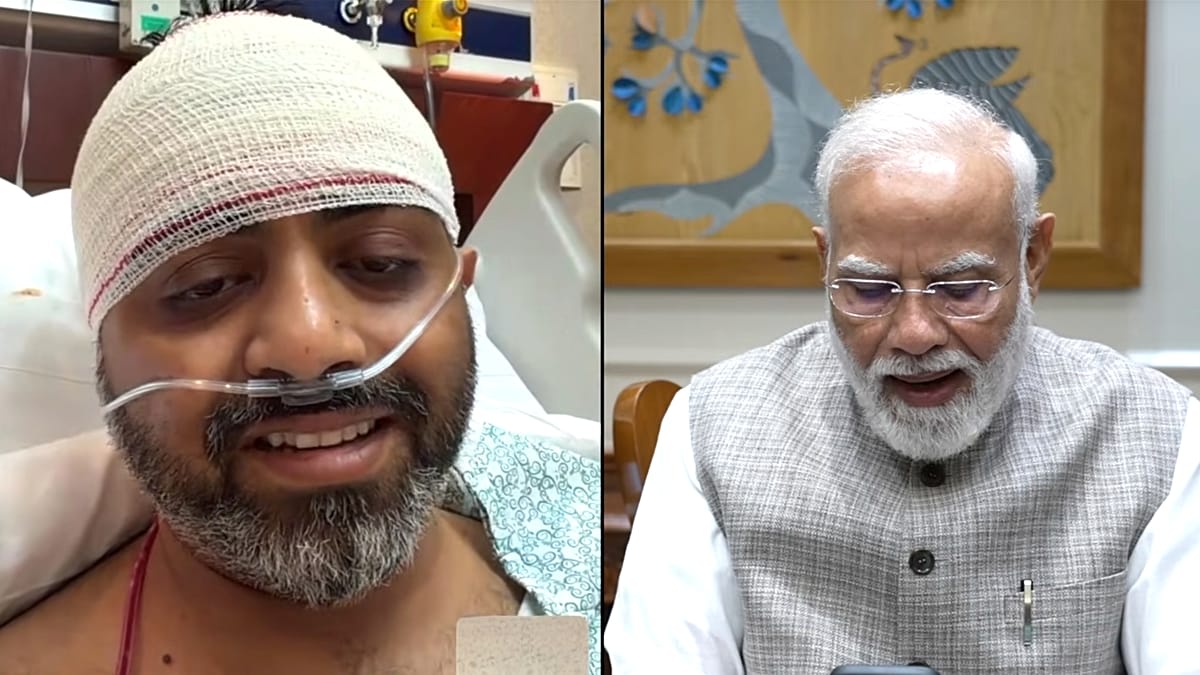
Captain Smit Machchhar, the FlyDubai pilot credited with averting a catastrophe after his co-pilot assaulted him in mid-air, has described the ordeal from his hospital bed, recounting the moment he realised he had to regain control of the aircraft despite serious injuries.
The attack occurred as the plane entered a steep descent, according to accounts of the incident. Machchhar, wounded but conscious, managed to open the cockpit door, enabling passengers to step in and subdue the assailant. The flight was subsequently diverted and landed safely in Saudi Arabia.
A cockpit struggle at altitude
Speaking with Indian Prime Minister Narendra Modi, Machchhar recalled the instant he understood the severity of his situation. “I was fighting for my life,” he said, describing how he forced himself to stay operational long enough to unlock the cockpit and let others help.
The co-pilot's motives remain under investigation. What is clear is that the confrontation unfolded at cruising altitude, leaving the captain incapacitated enough that only his own actions — and the swift response of those on board — prevented a worse outcome. The aircraft's diversion to Saudi Arabia was carried out without further incident.
Passengers have since given accounts of the panic that gripped the cabin as the plane lurched. Video footage circulating online shows the tense atmosphere in the minutes before the emergency landing. For a fuller picture of what travellers experienced, see footage from inside the cabin.
International repercussions
The incident has drawn attention far beyond the Gulf. In Washington, President Donald Trump warned Iran of severe retaliation over the cockpit attack, though the precise link between Tehran and the assailant has not been publicly established. The geopolitical dimension adds a layer of complexity to an already fraught aviation security case. For details on that warning, read the US president's remarks.
The flight's routing — reportedly bound for Tel Aviv — has also raised questions about regional security protocols. That the aircraft landed in Saudi Arabia, a country without formal diplomatic ties to Israel, underscores the unusual diplomatic circumstances surrounding the diversion. More on the landing can be found in our report on the emergency stop in Saudi Arabia.
One passenger who helped restrain the attacker later met with Israeli Prime Minister Benjamin Netanyahu at Ben Gurion Airport, a meeting that highlighted the cross-border nature of the response. The encounter is detailed in our coverage of the passenger's meeting with Netanyahu.
What it means for aviation security
While the immediate crisis has passed, the event raises uncomfortable questions for airlines and regulators. Cockpit access protocols, crew vetting and in-flight mental health screening are all likely to come under renewed scrutiny. The fact that a co-pilot — a trusted insider — allegedly initiated the assault makes this a particularly difficult case to guard against.
For European carriers, which operate dense networks across the continent and to the Middle East, the incident serves as a reminder that threats can emerge from within the flight deck itself. The European Union Aviation Safety Agency has not yet issued a public statement, but national authorities in several member states are understood to be reviewing their own procedures.
Machchhar's recovery continues. His decision to speak from his hospital bed, and the gratitude expressed by Prime Minister Modi, have turned him into a symbol of composure under extreme pressure. Yet the investigation is far from over, and the full sequence of events — from the first moments of the attack to the safe landing in Saudi Arabia — will be pored over by accident investigators and security services alike.