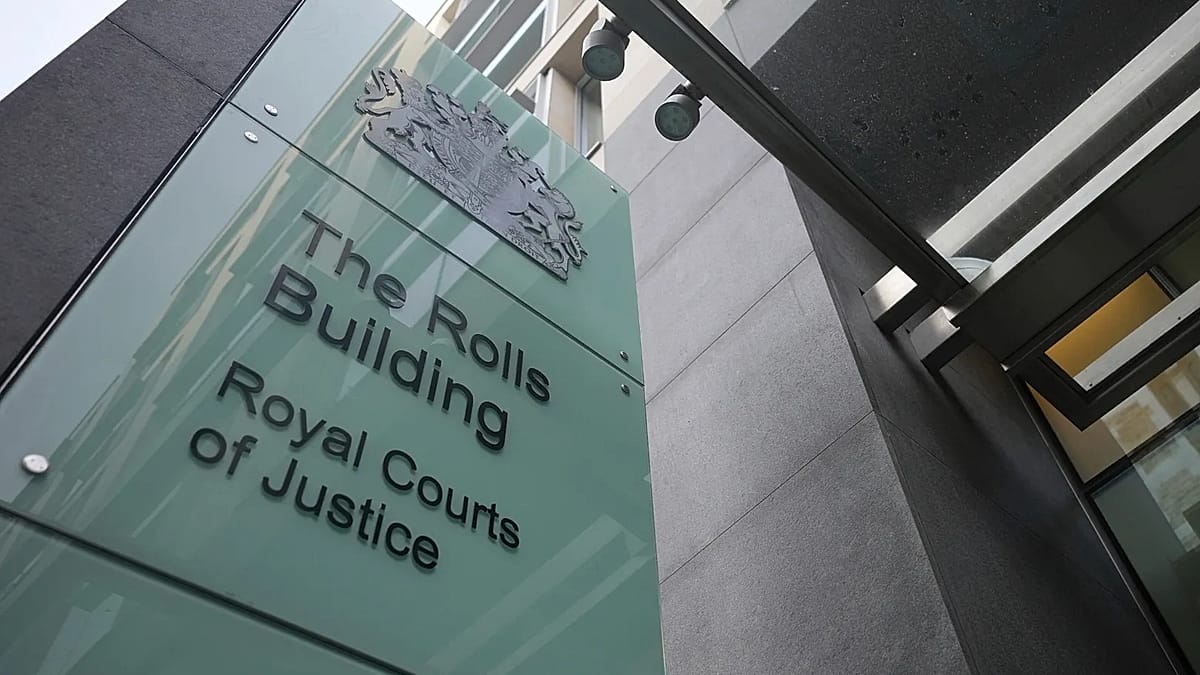
The former chief executive of Southern Water, Matthew Wright, has been charged with conspiracy to defraud the UK Environment Agency and water regulator Ofwat, following allegations that he and three others deliberately manipulated wastewater flows before mandatory quality tests between 2012 and 2017. The charges, announced on Wednesday, come after the High Court dismissed a legal challenge by the defendants to halt the prosecution.
Under UK law, intentionally altering wastewater flows during regulatory sampling is a criminal offence. If convicted, Wright faces a maximum sentence of 10 years in prison. The case highlights ongoing concerns about water quality enforcement across the continent, where similar issues have emerged in other member states.
Allegations of Systematic Fraud
Prosecutors allege that Wright and his co-defendants conspired to ensure that wastewater flows were reduced or stopped when a site was likely to fail a regulatory test. According to the High Court judgment, the Environment Agency claims that former Southern Water employees deliberately prevented any wastewater flow when they believed a site might not meet standards. The court described the alleged scheme as 'carefully planned and extensive fraud and dishonesty at a high level.'
Judge Andrew Popplewell, who presided over the case, stated that Wright faced 'very serious allegations of criminal misconduct.' The ruling cleared the way for the criminal prosecution to proceed, marking a significant step in the UK's efforts to hold water companies accountable for environmental breaches.
Southern Water itself also faces separate charges of breaching environmental permits linked to the same allegations. The company, which supplies water and wastewater services to millions of people across southern England, has been under scrutiny for years over its environmental record.
Broader European Context
The case resonates beyond the UK, as water quality and regulatory oversight remain pressing issues across Europe. In the EU, the European Food Safety Authority recently tightened limits on perfluoroalkyl substances (PFAS) in drinking water, reflecting a continent-wide push for stricter standards. Meanwhile, the European Public Prosecutor's Office has charged four Greek MPs in a fraud investigation related to agricultural subsidies, underscoring the EU's growing focus on financial and environmental misconduct.
Water companies in several European countries have faced similar allegations of test manipulation. In Italy, for instance, investigations into water quality data have led to legal actions against local utilities. The UK case could set a precedent for how regulators across Europe handle corporate environmental crimes.
Legal and Regulatory Implications
The High Court's decision to allow the prosecution to proceed is seen as a victory for the Environment Agency, which has faced criticism for its handling of water company violations. The agency described the ruling as a 'significant judgment' that reinforces the seriousness of environmental fraud.
Wright's legal team has not yet commented on the charges. The trial is expected to begin later this year, and the outcome could influence future enforcement actions against water companies in the UK and beyond. As European regulators increasingly prioritize environmental compliance, this case serves as a reminder of the legal risks for corporate leaders who fail to uphold standards.