The current El Niño, one of the strongest on record, is colliding with the long-term effects of climate change to produce a cascade of extreme weather events across the globe. In Europe, the consequences are increasingly visible: from shuttered tourist sites in southern Spain to starving cattle in the Balkans, the continent is feeling the heat in ways that are both economically and ecologically disruptive.
A summer of extremes
This year's El Niño has amplified the usual summer heat, pushing temperatures in parts of the Iberian Peninsula above 45°C. In Andalusia, several outdoor attractions, including the archaeological complex at Baelo Claudia near Tarifa, have been forced to close during peak hours to protect visitors from the scorching sun. Local authorities in Seville and Córdoba have activated heat emergency protocols, opening air-conditioned shelters and advising against outdoor activity in the afternoon.
Further east, the drought is taking a heavy toll on agriculture. In Romania and Bulgaria, the Danube has fallen to its lowest levels in decades, exposing sunken warships from the Second World War and disrupting river transport. Farmers in the Dobruja region report that their cattle are starving as pastures turn to dust and hay reserves run out. The Romanian government has declared a state of emergency in several counties and is considering compensation for livestock losses.
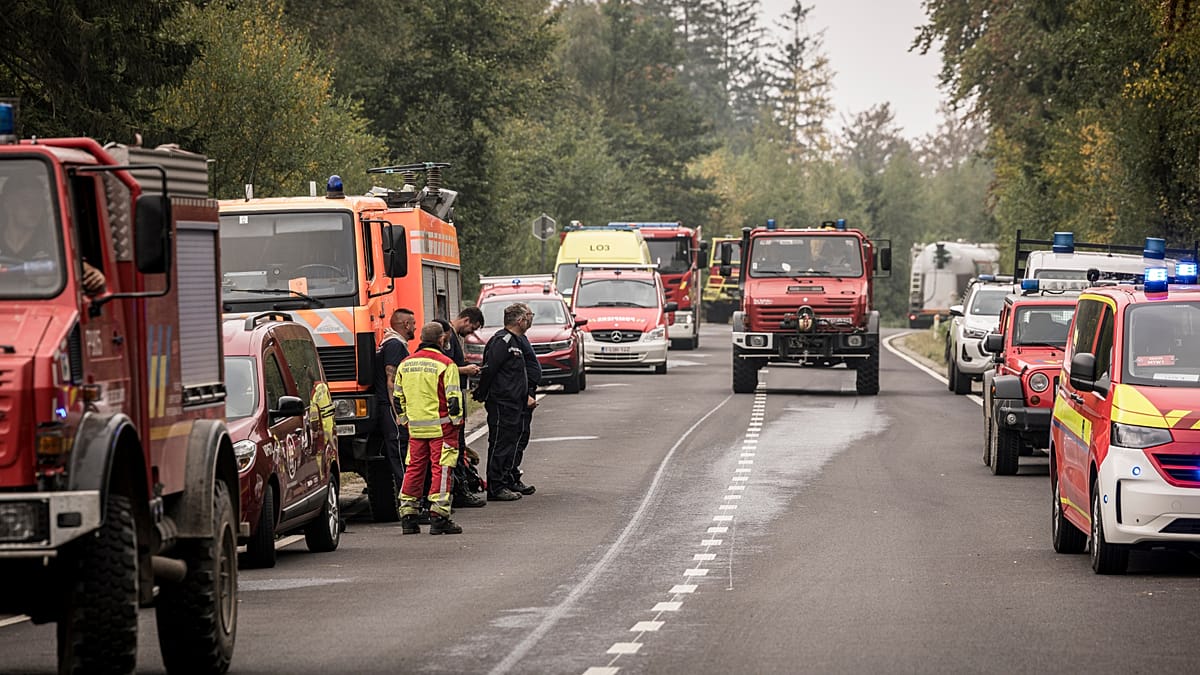
In Greece, the combination of heat and dryness has led to an early and intense wildfire season. The island of Rhodes saw mass evacuations in July, and the authorities in Athens have banned access to forests and parks on high-risk days. The wild boars that swim with tourists off the coast of Atokos are a quirky reminder of the region's biodiversity, but the fires threaten far more than tourist anecdotes.
Economic ripple effects
The economic impact is being felt across sectors. In Portugal, the olive harvest is expected to drop by nearly a third, driving up prices for olive oil across the EU. The wine industry in France's Languedoc region is also bracing for a poor vintage, as grapes shrivel on the vine. Meanwhile, the lack of rain has reduced hydroelectric output in the Alps, forcing utilities in Switzerland and Austria to import more expensive electricity from Germany.
Tourism, a cornerstone of many southern European economies, is being disrupted. In Lisbon, late-September heat has caught tourists off guard, with temperatures still hovering near 35°C. In Italy, the city of Verona has limited access to the Arena during the hottest hours, and the mayor of Rome has urged visitors to stay hydrated as the Colosseum's queues stretch under a relentless sun. The EU's new housing plan to curb short-term lets may ease pressure on housing, but it does little to shield visitors from the heat.
Even northern Europe is not immune. In the UK, the Met Office has issued heat-health alerts for parts of England, and the mayor of London has activated a severe weather emergency protocol. The new powers for England's mayors to impose overnight tourist taxes are being discussed as a way to fund climate adaptation, but critics argue that such measures could deter visitors.
Scientific consensus
Climate scientists are unequivocal: El Niño is a natural climate pattern, but climate change is making its effects more severe. Dr. Elena García, a climatologist at the Spanish National Research Council, explains: "El Niño adds heat to an already warming planet. The baseline is higher, so the extremes are more extreme. We are seeing events that would have been rare without human-induced climate change."
The World Meteorological Organization has warned that the current El Niño could last until spring 2025, prolonging the misery. For Europe, this means more heatwaves, more droughts, and more pressure on water resources. The EU's push for a green transition is partly a response to these challenges, but adaptation is also urgent.
As the continent grapples with these extremes, the human cost is mounting. In Spain, a 62-year-old street cleaner died of heatstroke in Madrid last week. In Croatia, wildfires have forced the evacuation of villages along the Dalmatian coast. And in the Netherlands, farmers are struggling to keep their livestock cool as barns become ovens.
The situation is a stark reminder that climate change is not a distant threat but a present reality. For Europe, the question is no longer whether to act, but how quickly it can adapt to a world where El Niño and climate change combine to wreak havoc on a scale that was once unimaginable.