Four of the European Union's largest economies — Estonia, France, Germany, and Spain — have urged Brussels to recalibrate the bloc's flagship carbon market, the Emissions Trading System (ETS), to better safeguard industrial competitiveness. In a joint document seen by Euronews, the four member states express strong support for the ETS as a cornerstone of EU climate policy, but argue that current rules are too rigid and complex, risking the erosion of Europe's manufacturing base.
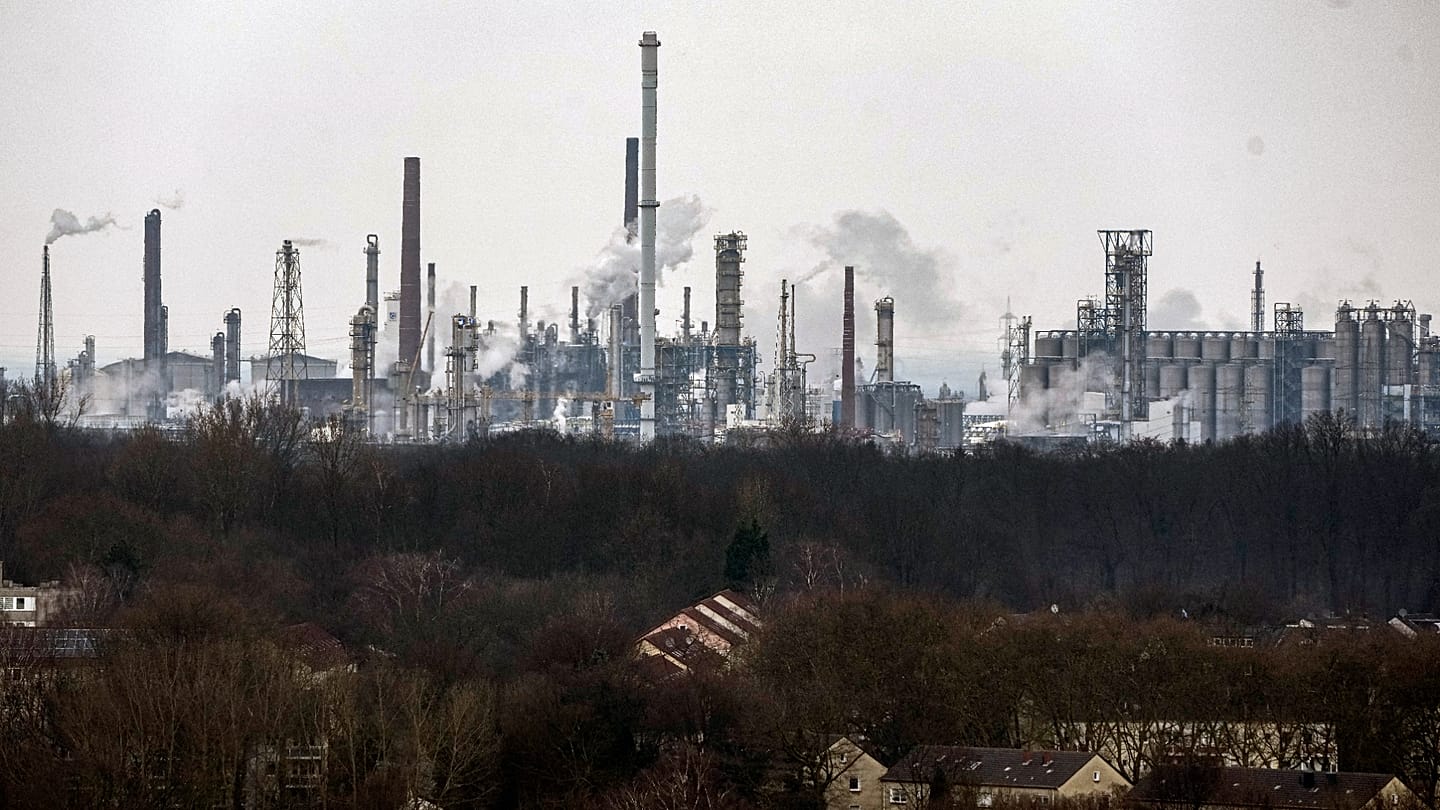
The push comes as the EU prepares for the next phase of its Green Deal, which aims to cut net greenhouse gas emissions by 55% by 2030 compared to 1990 levels. The ETS, which caps emissions from power plants, factories, and airlines and requires companies to buy permits for each tonne of CO₂ they emit, is central to that strategy. Yet the four countries warn that without clearer and more flexible provisions, the system could drive energy-intensive industries — such as steel, chemicals, and cement — to relocate outside the bloc, a phenomenon known as carbon leakage.
Balancing climate ambition with industrial reality
The document, which was prepared for a meeting of EU environment ministers, calls for a “simplification and increased flexibility” of the ETS, particularly regarding the allocation of free allowances. Under current rules, industries deemed at risk of carbon leakage receive a portion of their permits for free, but the four countries argue that the criteria for determining eligibility are too opaque and slow to adapt to changing market conditions.
“We need a system that rewards innovation and investment in clean technologies, not one that penalises European producers with unnecessary administrative burdens,” the document states. The signatories propose a more dynamic approach, where free allocations are tied to actual production levels and investments in decarbonisation, rather than historical benchmarks. They also suggest streamlining the process for updating the list of sectors eligible for free allowances, which is currently revised only every five years.
The initiative aligns with broader efforts to revive EU industry, including the recent agreement among the bloc's six largest economies on a blueprint for a Capital Markets Union, which aims to unlock private investment for green and digital transitions. The four countries' call also echoes concerns raised by the International Energy Agency's chief, who recently urged the EU to embrace electrification as a way to cut fossil fuel dependence and revive industrial competitiveness.
Diverging views within the bloc
Not all member states share the same sense of urgency. Some northern and eastern countries, including Denmark and the Netherlands, have argued that the ETS should remain strict to maintain its environmental integrity and drive down emissions. They worry that easing rules could weaken the carbon price signal, which has risen sharply in recent years, reaching over €100 per tonne in early 2023 before settling around €70–80. A lower price could reduce incentives for companies to invest in low-carbon technologies.
However, the four-country coalition — which together account for a significant share of EU industrial output — insists that the ETS can be both ambitious and flexible. They point to the success of the system in reducing emissions by 35% since 2005, but argue that the next phase must address the growing gap between European and global carbon prices. Without adjustments, they warn, European industry will struggle to compete with producers in regions with weaker climate policies, such as China and the United States.
The debate also touches on the EU's Carbon Border Adjustment Mechanism (CBAM), which is set to phase in from 2026. CBAM will require importers of certain goods to buy certificates corresponding to the carbon price that would have been paid if the goods had been produced under EU rules. The four countries argue that CBAM and the ETS must be better coordinated to avoid double regulation and to ensure that free allowances are phased out only when CBAM is fully operational.
Next steps and political implications
The European Commission is expected to present a legislative proposal on ETS reform later this year, as part of the broader “Fit for 55” package revision. The four countries' intervention is likely to influence the debate, especially given the political weight of France and Germany. French President Emmanuel Macron has made industrial sovereignty a key theme of his second term, while Germany's coalition government is under pressure from its own industry associations to ease energy costs.
The outcome will have significant implications for Europe's climate leadership and its ability to maintain a competitive manufacturing sector. As the bloc navigates the twin challenges of decarbonisation and deindustrialisation, the ETS reform will be a litmus test of whether the EU can reconcile its green ambitions with the economic realities of its member states.
For now, the four countries have set the stage for a contentious negotiation, one that will require Brussels to balance the demands of industry with the imperatives of the planet. The coming months will reveal whether the EU can craft a carbon market that is both effective and equitable — or whether the pressure to protect industry will dilute its climate goals.