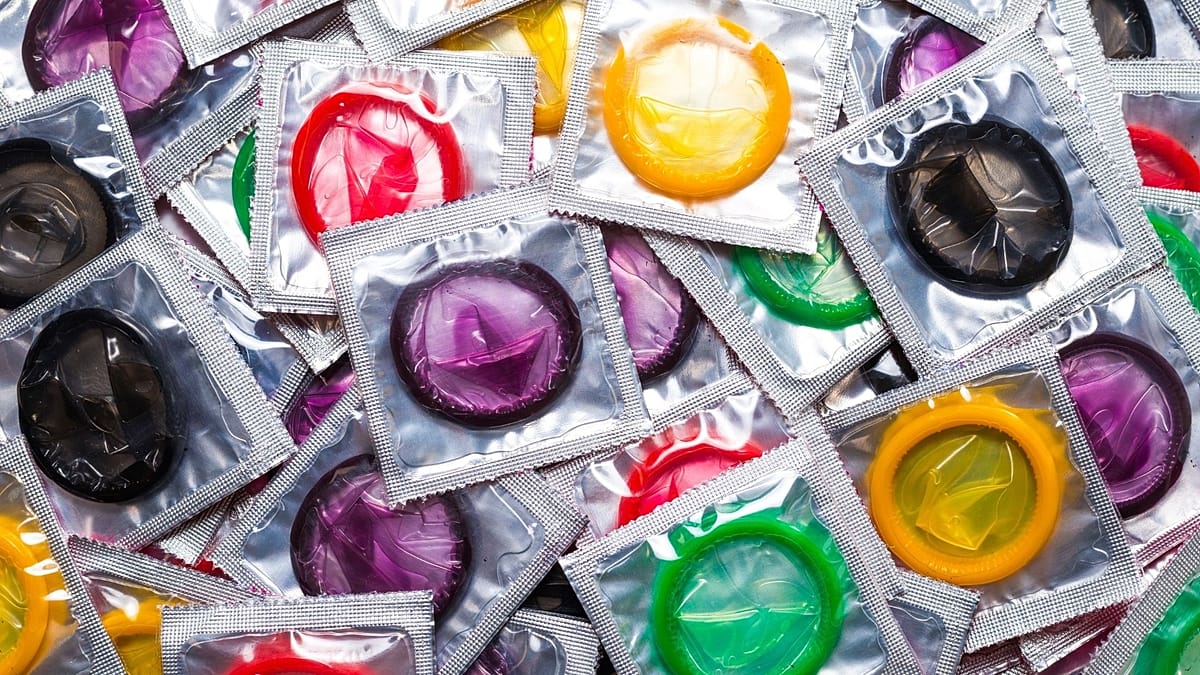
French regulators have ordered the withdrawal and recall of 15 types of condoms across the European Union after laboratory tests revealed manufacturing defects that could cause the products to tear or burst. The move, announced by the French consumer watchdog DGCCRF, affects ultra-thin condoms produced by Malaysian manufacturer Richter Rubber Technology, and is estimated to cover around 7 million units across the bloc.
The defects, which stem from inconsistencies in the thickness and quality of the latex film, could undermine the condoms' effectiveness in preventing sexually transmitted infections (STIs) and unintended pregnancies. French authorities said that the products failed both pressure and burst volume tests, as well as checks for perforations, and noted that the manufacturer exhibited "a lack of control over the manufacturing process."
The recall follows a ministerial order dated 22 October, published in France's Official Journal on 30 October. According to the French economy ministry, only a fraction of the affected condoms were sold in France, with the rest distributed across the EU under various brand names. The government has suspended the sale and import of all ultra-thin condoms made using the defective production process for one year, a measure that can be renewed if necessary.
This is not the first time Richter Rubber Technology's products have come under scrutiny. Earlier this summer, around 260,000 condoms were recalled in late May and early August, prompting a broader investigation. Since those initial recalls, eight users have reported condom breakages, according to French authorities.
EU-wide impact and consumer advice
The recall extends beyond France, with affected products distributed across the European market. French authorities have published a list of the affected brands, product references, and batch numbers, and have ordered their removal from points of sale as well as a recall of products already in consumers' hands.
Anyone who has used an affected condom is advised to seek screening for sexually transmitted infections at a medical laboratory and to take a pregnancy test if their period is late. Consumers with concerns are encouraged to contact their doctor or a free sexual health screening centre. The DGCCRF has also urged users to report any adverse incidents, such as breakage or perforation during use, through the government's health incident reporting platform.
The French watchdog said it would monitor the effectiveness of the product withdrawal and recall. The move highlights the importance of rigorous quality control in medical devices and personal protective products, a concern that resonates across the EU's single market, where products can circulate freely once approved in one member state.
This incident comes as France grapples with broader economic and social challenges, including budgetary pressures and a recent Fitch downgrade. While the condom recall is a public health issue, it also underscores the need for robust regulatory oversight in the EU's internal market.
For consumers across Europe, the recall serves as a reminder to check product batch numbers and to report any issues to national health authorities. The DGCCRF's actions demonstrate the EU's commitment to protecting public health, even when the manufacturer is based outside the bloc.