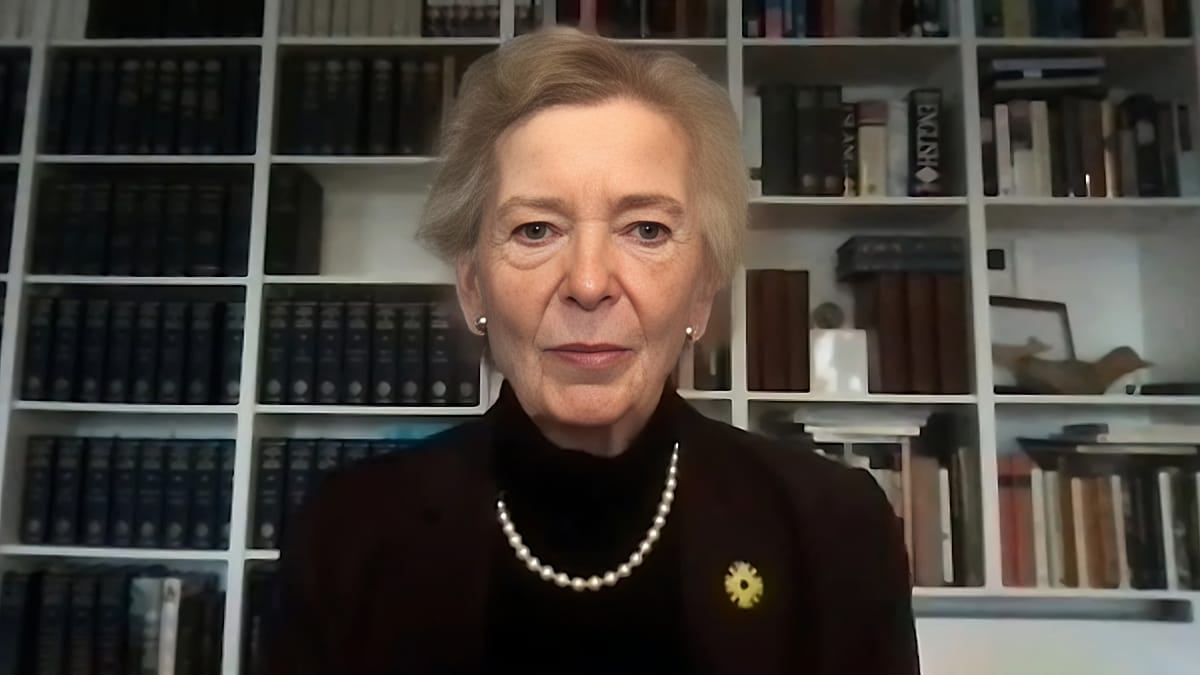
Mary Robinson, the former president of Ireland and a veteran campaigner for global health, has issued a stark rebuke to European leaders over their response to the Ebola outbreak in the Democratic Republic of Congo. Speaking to reporters in Dublin, Robinson argued that the continent has failed to grasp the severity of a crisis that has already claimed 5,000 lives in less than six months.
The outbreak, now the second largest in history, has recorded more than 10,000 cases. The virus is spreading at an unprecedented pace, Robinson warned, and the window for effective intervention is closing. She stressed that the most urgent need is for resources to trace contacts of infected individuals, a critical step in breaking the chain of transmission.
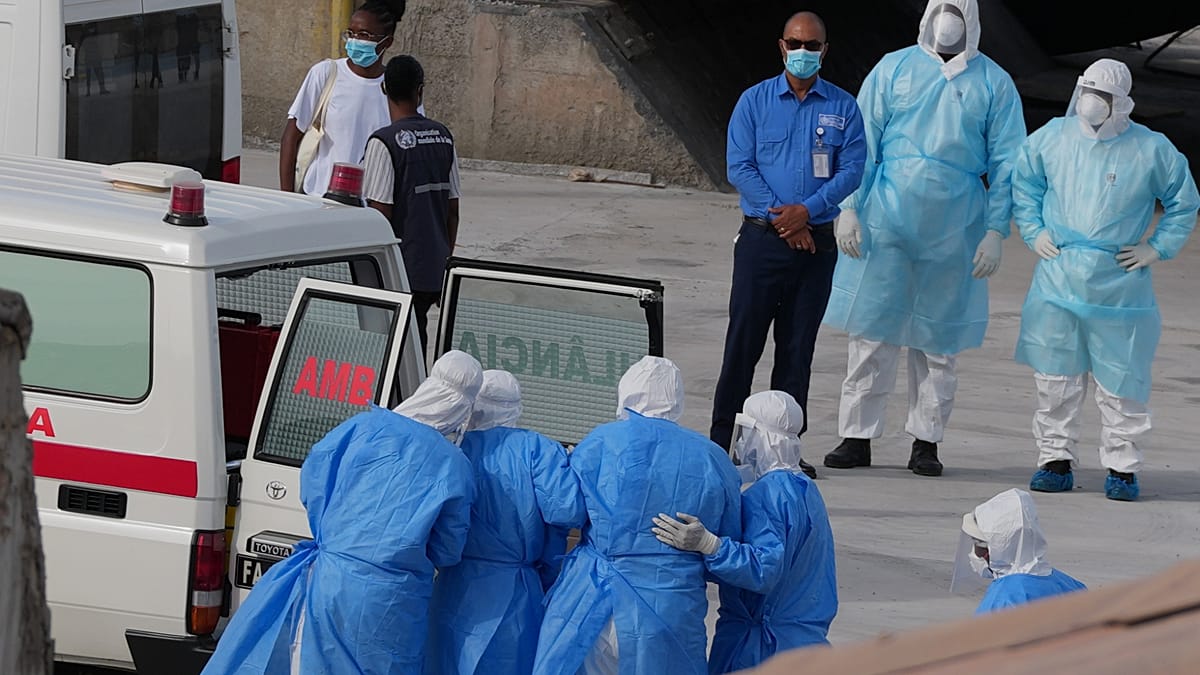
Robinson's comments come as the European Centre for Disease Prevention and Control (ECDC) has deployed experts to Nigeria following the confirmation of cases there, and as the outbreak has spread to an eighth province in the DRC. The disease has also reached Kenya, where a second case was confirmed this week.
Robinson, who served as UN High Commissioner for Human Rights, did not mince words. "Europe does not care enough about the lives of those who are invisible to us," she said. Her remarks echo a broader frustration among global health experts that the international community has been slow to respond to a crisis that, while geographically distant, carries significant risks for Europe itself.
The G20 pledged €3 billion to combat the outbreak, but Robinson insists that only a fraction of that money has been released. She called on member states to honour their commitments without further delay, warning that the current pace of funding is dangerously insufficient.
A threat that crosses borders
Robinson's warning is not merely humanitarian. She noted that the virus could "be really serious" not only for African countries but also for Europe if it continues to spread at its current rate. The recent cases in Kenya and Nigeria, both major transport hubs, highlight how quickly the disease could reach European shores.
European health systems are better prepared than those in the DRC, but the continent is not immune to the economic and social disruption that a wider outbreak would cause. The gaps in vaccination coverage that have allowed measles to resurface in the United States serve as a reminder that complacency has consequences.
Robinson's call for urgency is supported by public health experts who argue that early investment in outbreak response is far cheaper than dealing with a pandemic. The ECDC has already held crisis talks after Nigeria confirmed its first case, and the agency is working with African partners to strengthen surveillance.
Yet Robinson's frustration is that these efforts remain too small and too slow. "We have the tools to stop this," she said. "What we lack is the political will."
Her words are a challenge to European leaders, who have been preoccupied with trade disputes, Brexit, and the rise of populism. But as Robinson points out, a health crisis in central Africa does not respect borders. The longer the outbreak is allowed to fester, the greater the risk that it becomes a global emergency.
For now, the focus must be on the DRC, where health workers are struggling to contain a virus that has already killed more people than any Ebola outbreak except the one that devastated West Africa in 2014-2016. Robinson's message is simple: the money is pledged, the expertise exists, and the time to act is now.