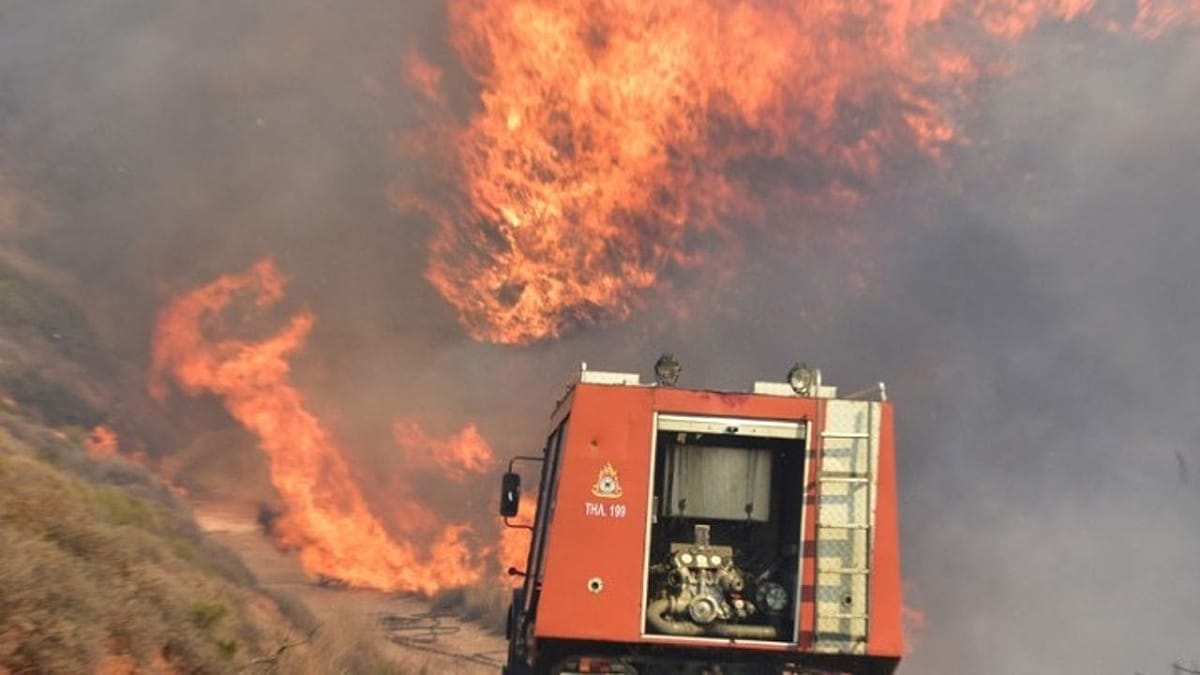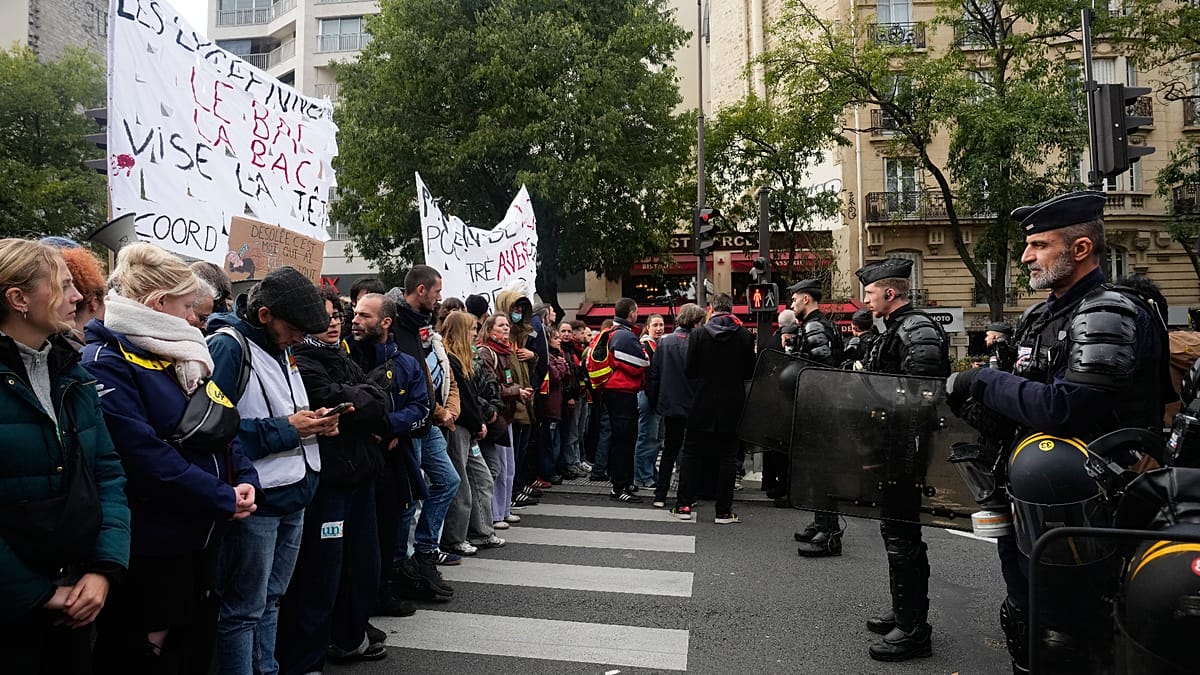
France's commitment to climate adaptation is under scrutiny after its flagship Green Fund saw a significant budget reduction, just weeks after the country endured its most intense May heatwave on record. The cuts have drawn sharp criticism from environmental leaders, who accuse the government of failing to address the escalating risks of a warming continent.
Last month, a powerful heat dome settled over France, pushing temperatures to unprecedented levels for May. Météo France reported new monthly highs at 352 weather stations, with the mercury peaking at 37.1°C near Hossegor, close to Biarritz, on 25 May. The extreme heat was linked to several fatalities, including a 53-year-old runner who collapsed during a race in Paris.
Scientists have described the event as virtually impossible without climate change. Friederike Otto, a professor of Climate Science at Imperial College London, stated: “Climate change makes these heatwaves hotter, longer and far more frequent. The climate we’re living in today is simply not the one we grew up with, and our buildings and infrastructure are woefully unprepared for what’s next.”
Green Fund Under Pressure
France’s Green Fund, launched to help communities adapt to climate change, has already financed over 25,000 projects involving more than 13,000 local actors, including over 11,000 municipalities in both continental France and its overseas territories. The fund’s total commitment stands at €4.5 billion in state subsidies, covering energy renovation of public buildings, air quality improvements, flood prevention, and nature restoration.
However, its budget is shrinking. According to French news outlet Contexte, spending authorisations for the fund have been cut by €163 million—nearly 20% of the initial allocation—reducing its budget from €2.4 billion in 2024 to just €873 million by 2026. This reduction comes as part of broader austerity measures announced in April, when France said it would slash €4 billion in spending this year to rein in public finances following the economic fallout from the war in Iran.
Marine Tondelier, leader of France’s green party, shared a screenshot of the Contexte article on X (formerly Twitter), writing: “After demonstrating its complete lack of preparedness during the eight days of a historic heatwave, here are the government's climate change adaptation measures. This level of incompetence and stubbornness in the wrong direction amounts to climate denial.”
The cuts have raised questions about France’s ability to protect its population from future extreme weather events. In 2023, the ‘Paris at 50°C’ initiative brought together urban planners, health experts, scientists, and public authorities in two arrondissements to assess vulnerabilities in housing, healthcare, energy, and public space. A review of that exercise found that extreme heat poses a serious threat to public health, particularly among vulnerable communities, and that infrastructure such as the metro and rail lines is at risk from rising temperatures.
Efforts to remove heat-trapping materials like asphalt and parking spaces have transformed parts of Paris in recent years, making way for more trees and plants that provide shade and improve air quality. But critics argue that such local measures are insufficient without sustained national funding.
The controversy comes amid broader European debates about climate finance. As regenerative farms in France have shown resilience during droughts, the government’s retreat from green spending appears at odds with the continent’s climate goals. Meanwhile, France’s position as a leader in European climate diplomacy is being tested, with some accusing Paris of prioritising fiscal discipline over environmental commitments.
The Green Fund’s reduction also coincides with growing anti-tourism sentiment across Europe, as Spain, Italy, and France lead a backlash against overtourism, a phenomenon exacerbated by heatwaves that push visitors to cooler destinations. The cuts may further strain local economies that rely on climate-sensitive sectors.
As France braces for another summer of potential heatwaves, the question remains whether the government will reverse course or continue to scale back its climate adaptation efforts. For now, the message from environmentalists is clear: cutting green funding while the thermometer rises is a dangerous gamble.