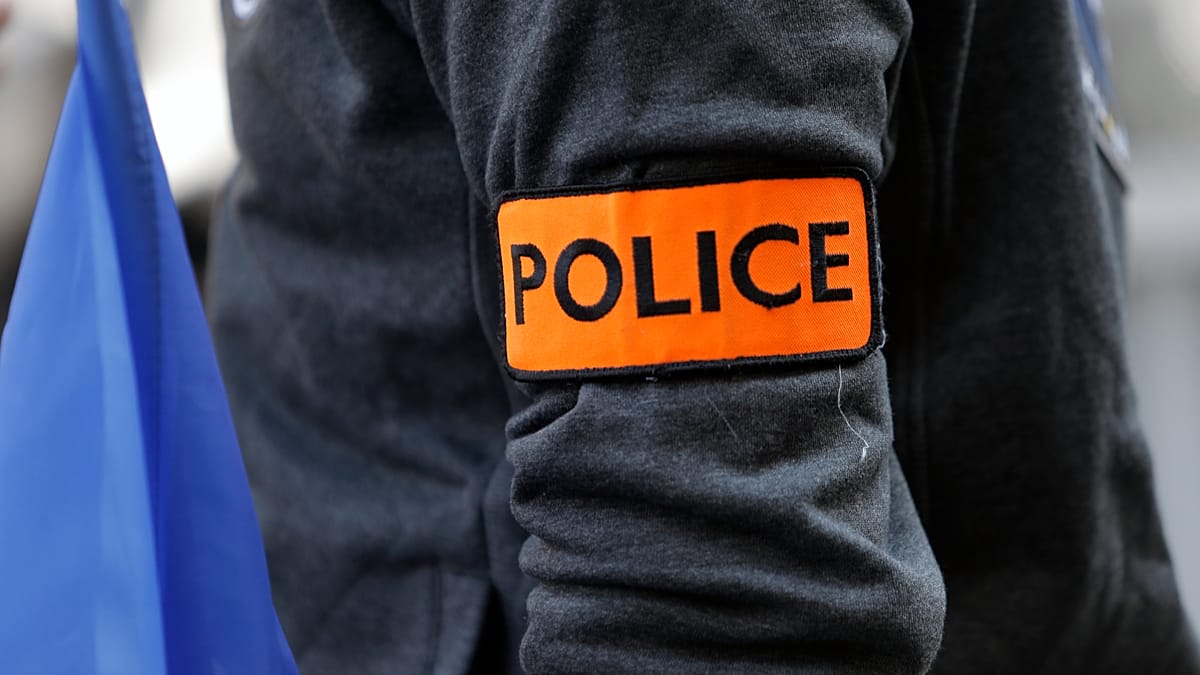
In a landmark ruling late Wednesday, a French appeals court in the Hauts-de-Seine department, west of Paris, sentenced former police officer Gilles Guilbert to eight years in prison for the murder of Olivio Gomes, a 28-year-old Black motorist shot dead at the wheel of his car in October 2020. The sentence is two years lighter than the ten-year term handed down at his initial trial in Versailles in March.
The court found that Guilbert, now 35, had not acted in self-defence when he opened fire at close range during a nighttime stop outside Gomes's home in Poissy, a town in the Paris region. The judges also imposed a lifetime ban on Guilbert serving as a police officer and prohibited him from carrying a firearm for fifteen years.
According to the prosecution, Guilbert and two colleagues had followed Gomes's car for roughly twenty minutes before the stop. The defence claimed the officers were pursuing him for speeding, but security camera footage contradicted that account. When Gomes stopped, Guilbert approached and aimed his gun at him. As Gomes started the engine to drive away, Guilbert fired three times, killing the father of three.
A family's long fight for justice
Leonel Gomes, the victim's younger brother, told AFP: "It's a relief. All these years of struggle, of fighting, there was a lot of doubt. We can finally breathe, mourn our loss." Damien Vinet, one of the family's lawyers, described the ruling as "historic."
The case has drawn renewed attention to allegations of systemic racism and violence within French police. Rights groups and campaigners point to statistics showing that ethnic minorities are four times more likely to be stopped by police in France. The government and police unions maintain that such abuses are isolated incidents.
The verdict comes as another high-profile case looms: a police officer is set to stand trial over the death of 17-year-old Nahel Merzouk, who was shot at point-blank range in Nanterre, near Paris, in June 2023. That incident sparked nationwide protests and intensified debates about policing and race in France.
Legal experts note that the appeals court's decision could set a precedent for how French courts handle cases involving police use of lethal force. The ruling also underscores the broader European conversation about police accountability and the treatment of minorities, a topic that resonates across the continent.
For the Gomes family, the verdict brings a measure of closure after years of legal battles. "We can finally breathe," Leonel Gomes said, echoing the relief felt by many who have followed the case. The family's lawyer called the decision a step forward for justice in France.
As France continues to grapple with these issues, the case of Olivio Gomes will likely remain a touchstone in the ongoing debate over police conduct and racial equality.