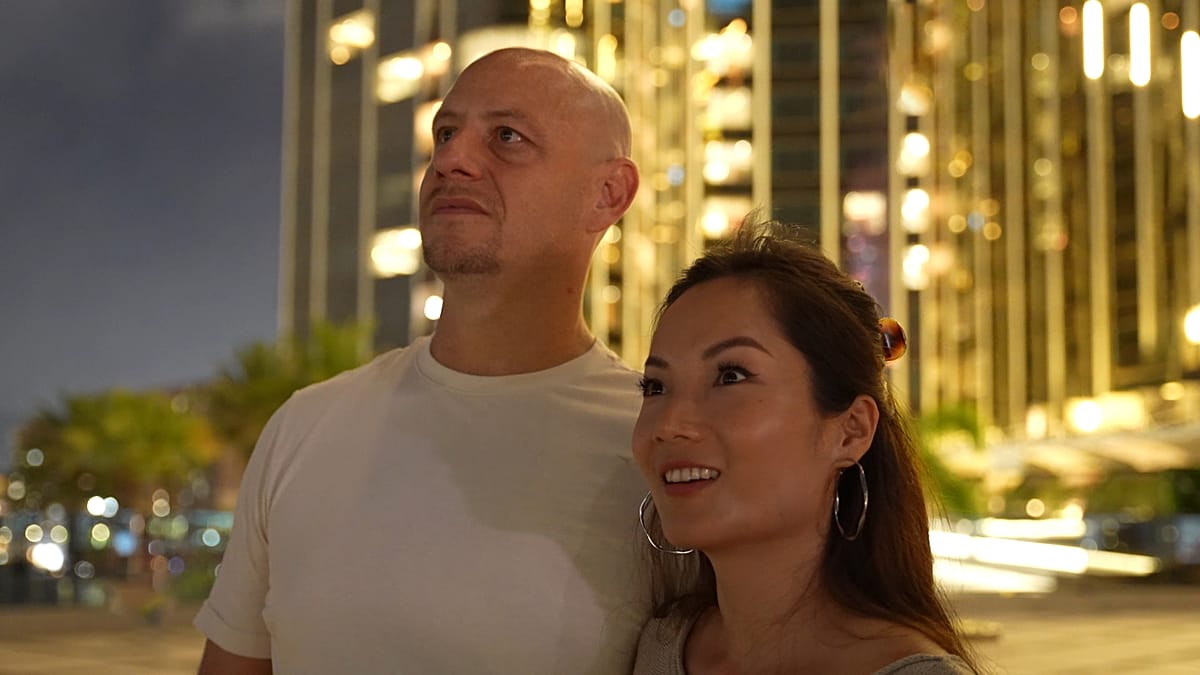
When Jérémy Artan de Saint Martin first landed in Macao in 2009, his mission was straightforward: help open a hotel. Fifteen years later, the Belgian entrepreneur is at the helm of two very different ventures—a technology company and a waffle brand—while raising a family in the former Portuguese colony.
Artan de Saint Martin, who serves as founder and CEO of both iExcel Technologies and Liège, says the city’s dynamism has kept him rooted. “Macao’s opportunities are endless,” he told European Pulse. “It’s a place where you can build something from nothing, if you’re willing to adapt.”
From hospitality to high-tech
The transition from hospitality to technology was not a deliberate master plan. After the hotel opening, Artan de Saint Martin spotted gaps in how local businesses managed data and customer relations. iExcel Technologies, which he launched shortly after, provides software solutions and IT consulting to companies across the region, from small retailers to larger enterprises.
“The tech scene here is not as visible as in Singapore or Shenzhen, but it’s growing fast,” he explains. “Many firms are still digitising for the first time, and that creates a real demand for practical, reliable tools.”
His dual role as a tech founder and a food entrepreneur is unusual, but Artan de Saint Martin sees synergies. Both ventures require understanding local tastes and building trust—skills he honed during his early years in the city.
Waffles with a Belgian touch
The waffle brand, Liège, was born a decade ago out of a personal craving. “I missed the waffles from home,” Artan de Saint Martin admits. “My wife, Maggie, and I started experimenting in our kitchen, and soon friends were asking for more.”
What began as a small stall has grown into a recognised brand in Macao, with a loyal following among locals and tourists alike. The name is a nod to the Belgian city of Liège, famous for its sugary, pearl-sugar waffles. The couple has adapted the recipe to suit local palates, offering variations that incorporate ingredients like matcha and taro.
“We keep the traditional base, but we’re not afraid to innovate,” he says. “That’s very Macao—a blend of cultures and influences.”
The brand now operates several outlets and has become a staple at local food markets. For Artan de Saint Martin, it’s also a way to share a piece of his heritage with his adopted home.
A city of contrasts and opportunities
Macao, often overshadowed by Hong Kong, is best known for its casinos and gaming industry. But Artan de Saint Martin argues that the city’s non-gaming sectors are quietly thriving. “People think of Macao as just a gambling hub, but there’s so much more,” he says. “The government is pushing for diversification, and you see it in tech, culture, and food.”
His optimism is tempered by practical challenges. The city’s small size means a limited talent pool, and competition from nearby hubs is fierce. Yet he remains bullish: “If you can navigate the bureaucracy and the cultural nuances, the rewards are significant.”
Artan de Saint Martin’s story is part of a broader trend of European entrepreneurs seeking opportunities in Asia. While many flock to mainland China or Singapore, Macao offers a unique gateway—one with Portuguese and Chinese influences, a robust legal framework, and a growing appetite for innovation.
His advice to other Europeans considering a move? “Learn the language, respect the culture, and be patient. It’s not always easy, but the potential is real.”
As he balances spreadsheets and waffle batter, Artan de Saint Martin embodies a modern, mobile Europe—one that carries its traditions abroad while embracing new horizons. In Macao, he has found not just a market, but a home.