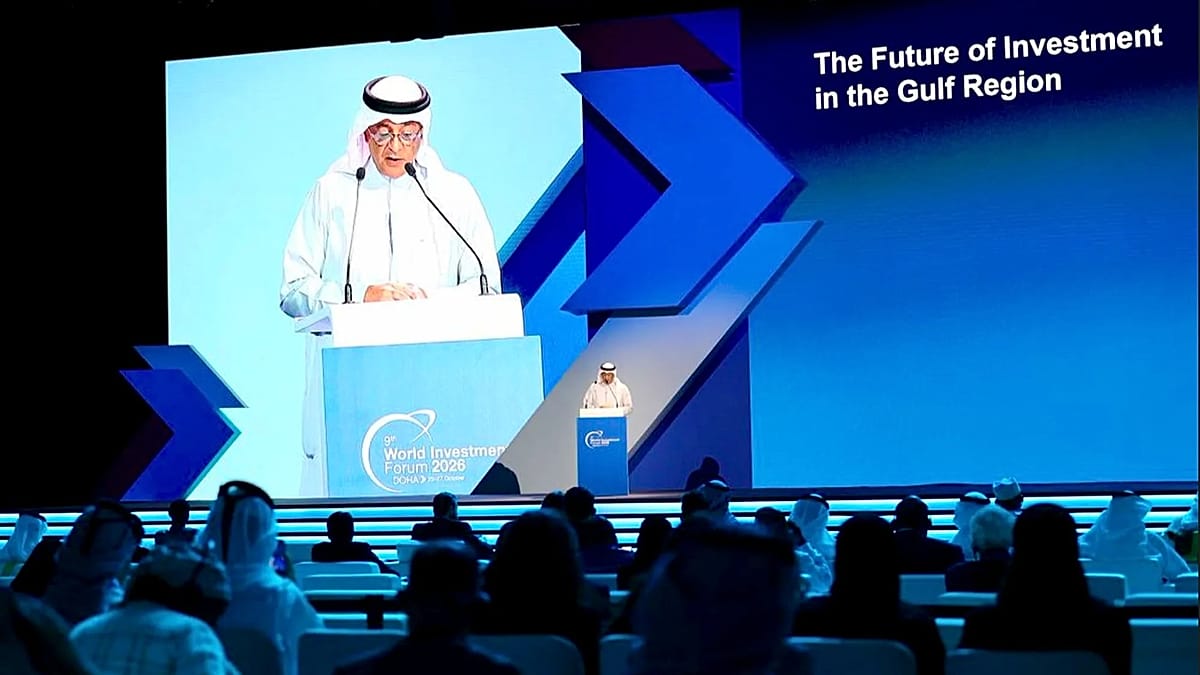
Global foreign investment is climbing, yet the pipeline of new business projects is shrinking, according to fresh data from UN Trade and Development (UNCTAD) presented at the World Investment Forum in Doha. The ninth edition of the forum, hosted by Qatar from 25 to 27 October, brings together governments, investors and financial institutions to examine how more countries can convert capital flows into durable jobs.
UNCTAD's Global Investment Trends Monitor, published on Sunday, shows that while total investment figures have been buoyed by a handful of large transactions, the number of newly announced projects and cross-border deals has declined. In developing economies, announcements linked to sustainable development goals are running more than 25% below 2025 levels, based on preliminary estimates drawn from the first six to nine months of 2026.
Concentration remains a concern
The report also underscores how unevenly investment is distributed. According to UNCTAD's World Investment Report 2026, more than 80% of global foreign direct investment last year flowed to just 20 economies. That leaves many countries, particularly in Africa and parts of Asia, struggling to attract the capital they need for infrastructure, industry and job creation.
Speaking to Euronews on the sidelines of the forum, UNCTAD spokesperson Marcelo Risi said the gap reflects more than just market size. "Investments are not a short-term endeavour," he explained. "You need to know which rules are there, who's your partner, really the rules of the game." Risi stressed that tax incentives alone are insufficient; countries must also offer reliable institutions, physical infrastructure and a skilled workforce to retain investors once they arrive.
Mahmoud Mohieldin, the UN special envoy on financing the 2030 Agenda for Sustainable Development, echoed that view. "I know that governments in particular are expecting a lot from the rest of the world, but a great deal of work at home is required," he told Euronews. He pointed to bureaucratic obstacles, unpredictable regulations and the need to prepare bankable projects as key hurdles that many countries have yet to overcome.
Opportunities vary widely by region. Mohieldin cited shipping and logistics in small island states, and Africa's youthful population and natural resources, as advantages that could attract investment if paired with better governance. "The business environment is key. It's not enough to have the potential," he said.
For investors wary of risk, public institutions can help share the burden. Rwodah Al Naimi, director of investment at the Qatar Fund for Development, said her organisation uses guarantees to encourage private capital while capping its own exposure. "We don't go alone. It has to be co-financed as well with other entities," she explained, noting that the fund typically works through international development banks and measures success by job creation.
The Doha forum comes at a time when European policymakers are also watching investment trends closely. The European Union has been pushing to attract manufacturing and green-tech projects, but competition is fierce. As France deploys 70,000 officers amid social unrest, the stability that investors crave remains fragile in parts of the continent. Meanwhile, the UK's approval of Jackdaw gas drilling shows how energy projects can proceed despite environmental opposition, a reminder that investment decisions are often shaped by domestic politics as much as global trends.
UNCTAD's findings suggest that the current investment recovery is not translating into broad-based development. Without a stronger pipeline of new projects, the benefits of rising capital flows will likely remain concentrated in a few economies, leaving many countries—and their workers—waiting longer for the jobs they need.