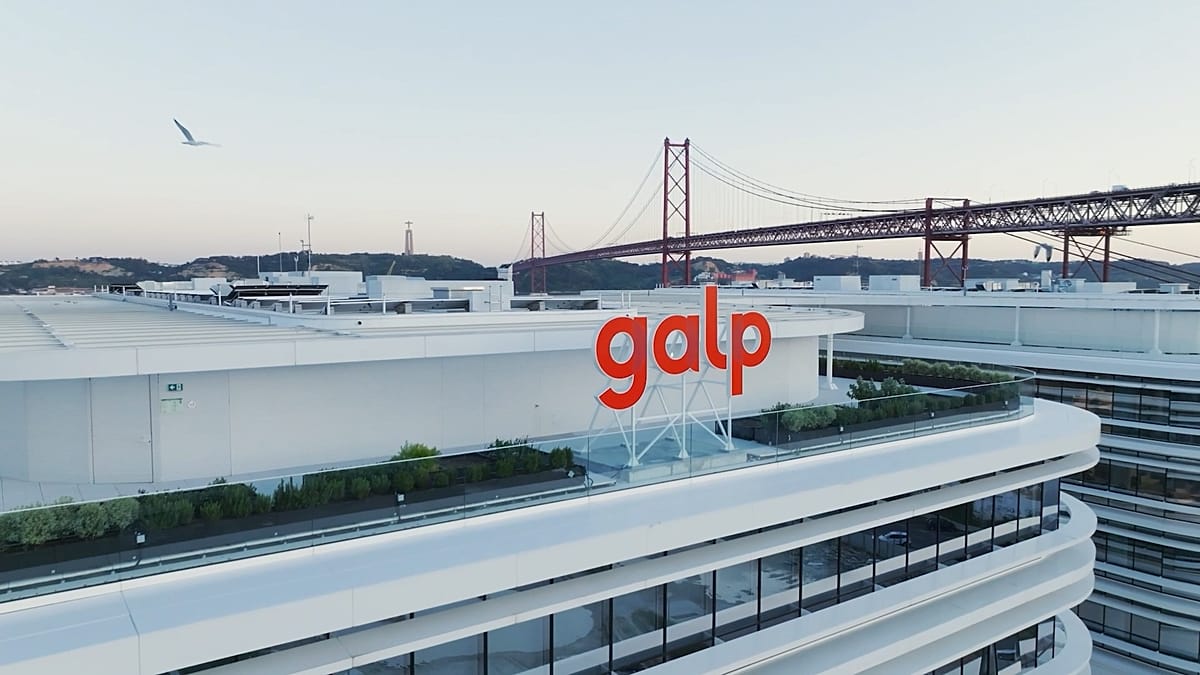
Portuguese energy group Galp has confirmed that negotiations with Spanish rival Moeve over a possible merger of their refining and distribution businesses have ended without a deal. The announcement, made on Monday, brings to a close several months of discussions between the two Iberian companies.
In a statement, Galp said that “it was not possible to reach an agreement” on the proposed combination. Moeve is controlled by Mubadala Investment Company of Abu Dhabi and the US private equity firm Carlyle. The two companies had been exploring a tie-up that would have created a larger downstream player across the Iberian Peninsula.
Despite the setback, Galp sought to reassure investors and the market that its day-to-day operations would be unaffected. Paula Amorim, chair of Galp’s board, emphasised the company’s underlying strength: “Galp holds an exceptionally strong position, with one of the most attractive upstream growth profiles in the sector, robust industrial and commercial businesses and a diversified portfolio that includes renewables and significant trading activities. This business mix, combined with a solid balance sheet and strong cash-flow generation capacity, gives Galp a firm foundation to continue growing, investing and creating value.”
Maarten Wetselaar, chief executive of Moeve, also issued a statement acknowledging the end of the talks. He described the potential merger as “an opportunity to accelerate value creation” but stressed that Moeve’s strategy had never depended on the deal. “After extensive discussions, it was not possible to reach a commercial agreement with Galp. We remain focused on executing our transformation with financial discipline and on generating sustainable long-term value.”
The collapse of the negotiations was first reported on Sunday night by the Portuguese online newspaper ECO, which cited sources familiar with the discussions. According to ECO, the breakdown occurred because Paula Amorim was unwilling to accept the demands put forward by the Spanish side.
Galp’s downstream business and energy transition projects
Galp’s downstream operations are anchored by a leading retail network in Portugal and a significant portfolio of energy transition projects at its Sines complex. These include one of Europe’s largest green hydrogen production projects using electrolysis, as well as a biofuels production unit. The company has been positioning itself as a key player in the continent’s shift towards cleaner energy, and these projects remain central to that strategy.
The announcement came on the same day Galp released its third-quarter results, which showed a sharp rise in profitability. Net profit jumped 68% year on year to €682 million, driven by record oil and natural gas production in Brazil, strong export performance, and robust trading activities in international markets. The results underscore the resilience of Galp’s diversified portfolio, even as it navigates the challenges of the energy transition.
The failed merger is a reminder of the complexities involved in consolidating European energy assets, particularly when cross-border and shareholder interests are at play. For Galp, the focus now shifts back to its core strengths: upstream growth, refining efficiency, and its expanding renewables and trading businesses. For Moeve, the path forward involves continuing its own transformation, with an emphasis on financial discipline and long-term value creation.
Analysts will be watching to see whether either company seeks alternative partnerships or acquisitions in the region. The Iberian energy market remains competitive, with players like Repsol and Cepsa (which rebranded as Moeve) vying for market share. The collapse of this particular deal does not signal an end to consolidation efforts in the sector, but it does highlight the difficulty of aligning strategic visions and valuation expectations.
For now, both companies have moved on, with Galp’s leadership expressing confidence in its standalone prospects. As Amorim put it, the company has “a firm foundation to continue growing, investing and creating value.” Whether that confidence is justified will be tested in the coming quarters, as energy markets remain volatile and the push for decarbonisation intensifies across Europe.