Oil prices tumbled on Monday morning as diplomatic efforts to calm the Iran conflict gathered pace, with Brent crude falling more than 6% from Friday's close of around $117.4 per barrel to near $110. The US benchmark West Texas Intermediate slipped about 2% to $101.5 per barrel.
Friday's settlement was Brent's highest since 19 March and only about 2% below the $119.5 peak reached in early March, at the onset of the Iran war. Before the conflict, Brent had traded at roughly $72 per barrel.
Prices had surged last week after Yemen's Houthi rebels, an Iran-aligned armed group, attacked airports and energy facilities in Saudi Arabia, the world's largest oil exporter. However, the mood shifted over the weekend as regional mediators moved to engage with Tehran.
Diplomatic overtures
Qatari mediators reportedly travelled to Tehran on Sunday in coordination with Washington, while Saudi Arabia's defence minister, Pakistan's army chief and Turkey's intelligence chief were due in the Iranian capital on Monday for regional security talks. In an interview with Fox News, US President Donald Trump framed the choice as: "Do I make a deal with them, or do I finish them off?"
Supply risks have not disappeared. The Houthis said they struck Saudi airports and energy sites again over the weekend, and Riyadh reported shooting down further missiles and drones. The inflationary pressure from Middle East tensions remains a concern for European bond markets.
At a campaign event in Port Huron, Michigan, ahead of the US midterm elections, Trump defended his administration's reasons for starting the conflict. Citing the Wall Street Journal, he claimed that "oil coming out of the Strait of Hormuz is now topping what it was before the war... our navy has been incredible."
The Strait of Hormuz carried about a fifth of the world's oil before the war. According to ship-tracking firm Kpler, Gulf crude exports excluding Iran returned to pre-war levels in September, but around 40% of them now bypass the strait through pipelines, compared with 17% before the conflict.
Central banks and earnings in focus
Investors are also bracing for a busy week of rate decisions from the world's major central banks. In Europe, the pan-European Stoxx 600 and the Euro Stoxx 50 traded over 0.6% higher than Friday's close. The UK's FTSE 100, Germany's DAX, France's CAC 40, Italy's FTSE MIB and Switzerland's SMI all rose between 0.3% and 1%, with the German index leading. Spain's IBEX 35 and the Netherlands' AEX traded flat.
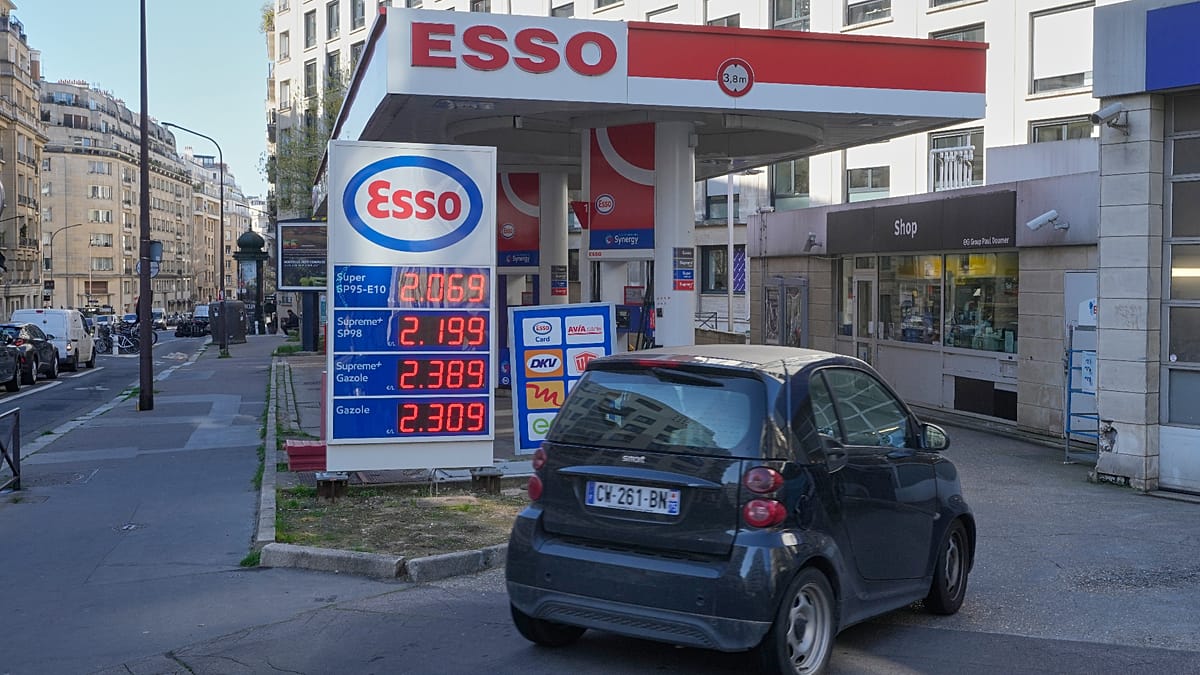
French assets got some relief after ratings agency Moody's unexpectedly kept France's Aa3 rating on Friday evening. The soaring fuel costs across Europe remain a pressing issue for households and businesses.
In the US, futures on the S&P 500 were 0.3% higher, as were those on the tech-heavy Nasdaq 100. The Federal Reserve announces its decision on Wednesday, widely expected to keep rates at 3.75% to 4% before a possible hike in December. The European Central Bank follows on Thursday, with France's bond market turmoil in focus, and the Bank of Japan on Friday.
Earnings season peaks this week, with roughly one in three S&P 500 firms reporting, including Alphabet, Microsoft and Amazon, while BP and Shell update investors in Europe. The recent moves by TotalEnergies highlight how European energy majors are responding to sustained high crude prices.