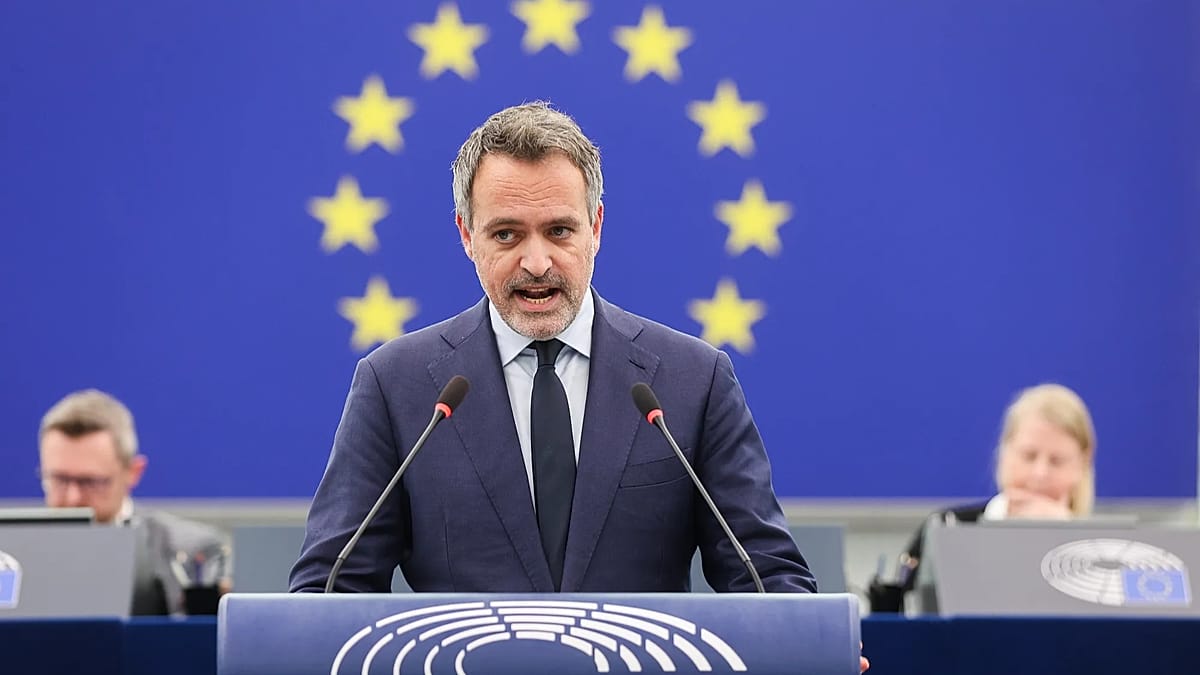
The European Parliament's Committee on Legal Affairs (JURI) failed to reach agreement on the draft report for EU Inc on 19 October, after already postponing the vote on 5 October. The deadlock stems from disagreements among MEPs over workers' rights provisions.
EU Inc is an ambitious attempt to create a single corporate structure for the entire European Union. It would allow a business to register in one member state and operate seamlessly across all 27, governed by a common set of rules – the so-called '28th corporate regime'. This would spare founders the burden of navigating 27 different national legal frameworks.
The European Commission proposed EU Inc in March 2026, aiming to reduce the cost and complexity of setting up a business in the EU. The initiative is designed to tackle the fragmentation that hampers Europe's startup ecosystem, making it easier for companies to collaborate, attract talent, and access funding across borders.
Under the proposal, founders could establish a company entirely online within 48 hours, with a starting capital of just €1 and no requirement for a notary. All registration and documentation would be in English, eliminating the need for translations or local-language compliance when operating abroad.
While EU leaders have agreed to finalise the legislation by the end of the year, the proposal faces opposition from multiple fronts. Founders who championed EU Inc argue that months of negotiations have diluted the original vision. In a public statement on 15 October, they accused the EU of reducing EU Inc to a mere fast-track registration process, stripping away core features such as the free choice of registration and a common-stock framework designed to attract talent.
Workers' rights at the heart of the dispute
The European Trade Union Confederation (ETUC) warns that the proposal could undermine workers' rights. On 24 September and 20 October, trade unions from across the bloc protested in Brussels and Strasbourg, arguing that companies could use lighter corporate rules to circumvent national labour laws and social standards.
The standoff leaves EU Inc in limbo, caught between the demands of startup founders who see it as a vital tool for European competitiveness and labour groups who fear a race to the bottom. The outcome will determine whether the EU can deliver on its promise to make doing business easier, or whether the initiative will be watered down to the point of irrelevance.
For now, the question remains: can EU Inc still change how you build a startup? The answer may depend on whether MEPs can find a compromise that satisfies both sides. As the debate continues, the future of Europe's harmonised corporate form hangs in the balance.