Germany's economic mood brightened again in October, with the Munich-based ifo Institute reporting its Business Climate Index at 90.2 points, up from a revised 89.9 in September. The modest but steady climb marks the sixth consecutive monthly increase, reinforcing the view that Europe's largest economy is slowly emerging from a prolonged downturn.
The index, a widely watched early indicator of German business conditions, is based on surveys of around 9,000 firms across manufacturing, services, trade, and construction. While companies were slightly less upbeat about their current situation, their expectations for the months ahead improved, nudging the overall gauge higher.
Manufacturing leads the recovery
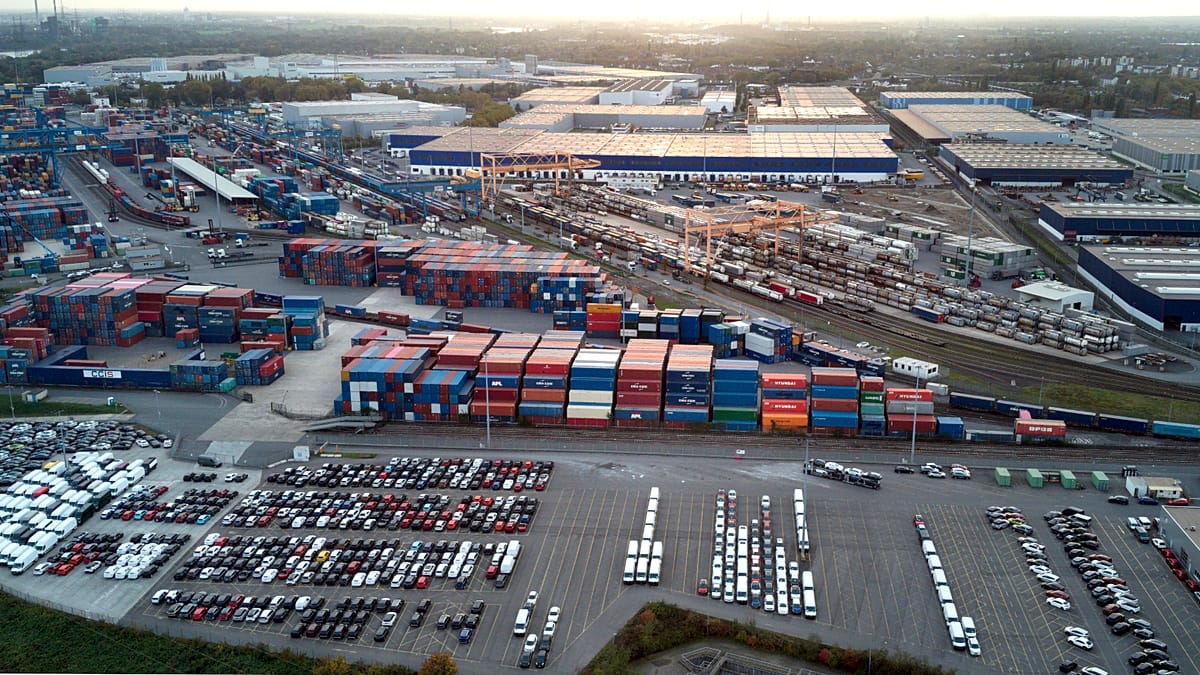
The manufacturing sector provided the main thrust. Both the assessment of current conditions and the outlook for future business returned to positive territory for the first time in over three years. Order books have begun to fill again, and firms are planning to ramp up production, a sign that the industrial heartland is shaking off its recent lethargy.
Services, by contrast, lost some momentum. Companies in that sector were less satisfied with their current performance, though their expectations brightened, with IT service providers standing out as particularly optimistic. In trade, the index was flat: wholesalers fared better than retailers, but both reported a more pessimistic view of the present while hoping for a better future. Construction also saw a slight uptick, with firms more content with their current workload and marginally more hopeful about the coming months.
Carsten Brzeski, global head of macro at ING, noted in a research note that "German economic resilience continues as the Ifo index has increased for the sixth consecutive month." He cautioned, however, that the recovery is not without hazards.
"Despite this hope, however, clear risks remain: war in the Middle East and the potential for further escalation after the US mid-term elections, with oil prices remaining at elevated levels (or worse), as well as the likely incoming shock of higher gas prices in the current heating season," Brzeski wrote.
He also pointed to low water levels on key transport routes, such as the Rhine, which could disrupt industrial supply chains and production in the near term. Yet he added that "the more the economy defies short-term risks, the higher the chances of a surprise growth story are."
For policymakers in Berlin and at the European Central Bank, the data offers a glimmer of hope after a year of near-stagnation. But economists warn that the longer-term trajectory depends on tackling structural weaknesses that have become increasingly apparent: heavy bureaucracy, persistently high energy costs, and a loss of competitiveness in key export markets.
The resilience of German industry is also being tested by geopolitical strains, from the war in Ukraine to tensions in the Middle East, which keep energy prices volatile. As the heating season begins, households and businesses alike face the prospect of higher gas bills, a factor that could dampen consumer spending and industrial output.
Still, the steady improvement in business sentiment suggests that the German economy may be turning a corner. Whether that translates into sustained growth will depend on how well companies navigate the risks ahead and whether structural reforms gain traction in the coming months.