The European Union's political cycle from 2019 to 2024 will be remembered not for its planned agenda, but for the relentless succession of external shocks that derailed it. The mandate of the current European Commission and Parliament, which began with ambitious plans for a geopolitical Commission, was almost immediately consumed by the Covid-19 pandemic, followed swiftly by Russia's full-scale invasion of Ukraine and the ensuing energy and inflation crises. As Europeans prepare to vote in the June parliamentary elections, the bloc is taking stock of one of its most turbulent chapters and the profound economic choices it has forced.
A Consecutive Crisis Mandate
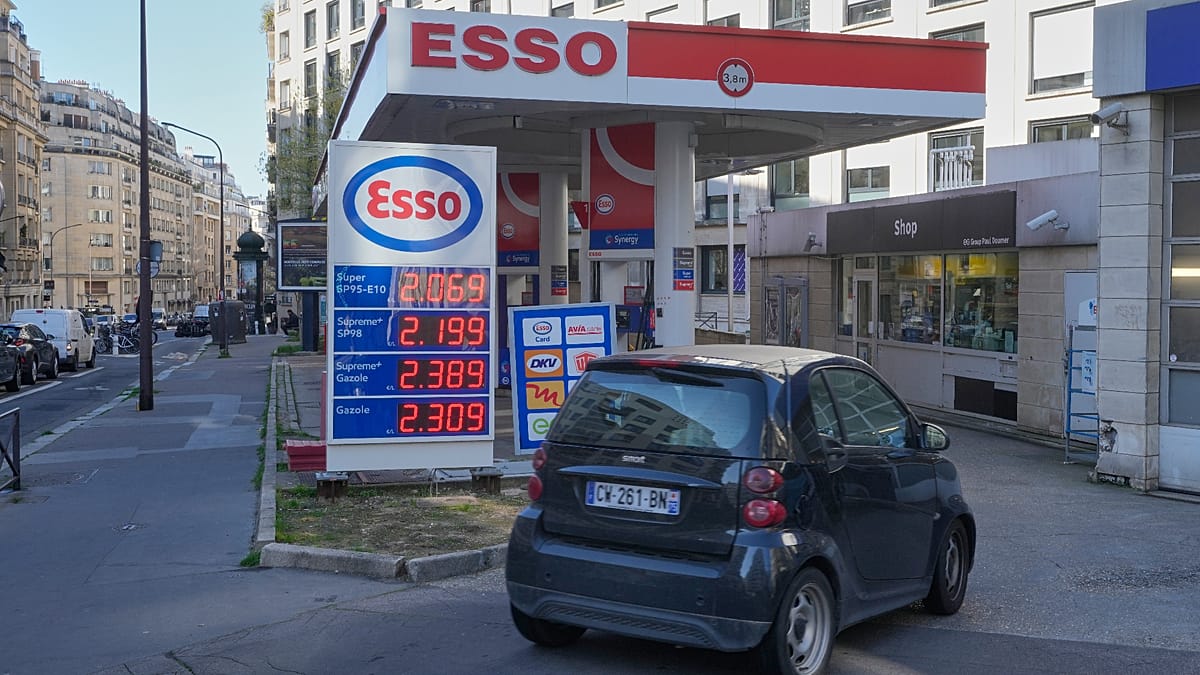
European Economy Commissioner Paolo Gentiloni captured the improbability of the period, noting that "Nobody would have predicted that we could have had two Black Swans in a row." The pandemic triggered the deepest recession in EU history, which was then compounded by a war on the continent that shattered energy security and sent consumer prices soaring. This perfect storm pushed many member states, from Italy to Spain, to record levels of public debt, while testing the very foundations of European solidarity.
The EU's response ventured into previously unthinkable territory. The centrepiece was the historic €800 billion NextGenerationEU (NGEU) recovery fund, financed by jointly issued debt—a first for the bloc. This instrument was designed to accelerate the post-pandemic rebound while turbocharging the green and digital transitions. As Commission President Ursula von der Leyen stated, "What started with a virus so small your eyes couldn’t see it, has become an economic crisis so big that you simply cannot miss it." The fund represented a monumental shift, temporarily sidelining the bloc's strict fiscal rules to prioritise survival and strategic investment.
The Debt Dilemma: Blueprint or Taboo?
Four years on, the legacy of NGEU is a central fault line in European politics. For many, it is a successful prototype for future cooperation. "I see NextGenEU as a prototype. And it's important that the prototype flies well so that we can indeed make it permanent," said Philippe Lamberts, MEP and co-president of the Greens/EFA group. This view is shared by Socialists and Democrats MEP Margarida Marques, who argues for a new permanent investment mechanism to fund climate, digital, and defence priorities after NGEU ends in 2026.
However, figures on the right warn of a dangerous precedent. MEP Michiel Hoogeveen of the European Conservatives and Reformists Group cautioned that allowing highly indebted states to tap into "this new box of Pandora" of common debt creates "a whole new ballgame" that undermines fiscal responsibility. The tension reflects a deeper divide between those who see shared debt as essential for European sovereignty and those who view it as a threat to national budgetary control.
Commissioner Gentiloni firmly advocates for the former perspective, linking common financing to global competitiveness: "How can we participate in the global race for clean technologies, to the challenges of competitiveness, without a single euro of common financing? I think this is honestly impossible." This sentiment is echoed in recent proposals, such as the 'European Preference' initiative from the EU Industry Commissioner, aimed at bolstering the bloc's industrial base.
Balancing the Books in an Age of Investment
The return of revised EU fiscal rules in 2024, which aim to gradually reduce pandemic-era debt while offering more flexibility, has sharpened the debate. The core question remains: with NGEU funding set to expire, where will the money come from for the massive investments required in the green transition, digital infrastructure, and common defence?
Manfred Weber, President of the European People's Party, emphasises fiscal caution: "On the debt side, you know, we are struggling a lot with this... debt means less opportunities for the next generation to invest. We need economic growth, that’s the power base of Europe." This concern is palpable in national economies, as seen in the plummeting German business outlook, which has hit its lowest level since the 2022 energy crisis.
Yet, the imperative to invest is urgent. For the Greens' Philippe Lamberts, borrowing—both national and joint—is unavoidable: "If you want the investments that are needed for the green transition, for digital, for defence and all the rest of it to happen, yes, we will need to borrow because not all of it will be able to be funded by cuts elsewhere or by new taxes." This investment challenge is not confined to Brussels; it is felt in national capitals addressing parallel crises, such as Spain's €7 billion commitment to public housing.
The EU's journey from 2019 to 2024 has fundamentally altered its economic governance. It has demonstrated a capacity for rapid, collective action in the face of existential threats, forging unity between traditionally frugal member states like the Netherlands and those in the so-called 'Club Med'. As Stéphanie Yon-Courtin, a Renew Europe MEP, noted, agreement on joint indebtedness was "historic." Yet, the path ahead is fraught. The bloc must now reconcile the need for strategic autonomy and investment with the discipline required to manage towering debt piles. The verdict of European voters in June will provide the next crucial mandate for navigating this enduring tension.