The cost of filling a 50-litre diesel tank has become a stark measure of inequality across Europe. In Bulgaria, a minimum-wage worker must now spend 15.4% of their gross monthly salary to fill up, up from 9.9% before the Israeli-US attack on Iran and the subsequent blockade of the Strait of Hormuz. In Luxembourg, the same tank consumes just 3.8% of the minimum wage.
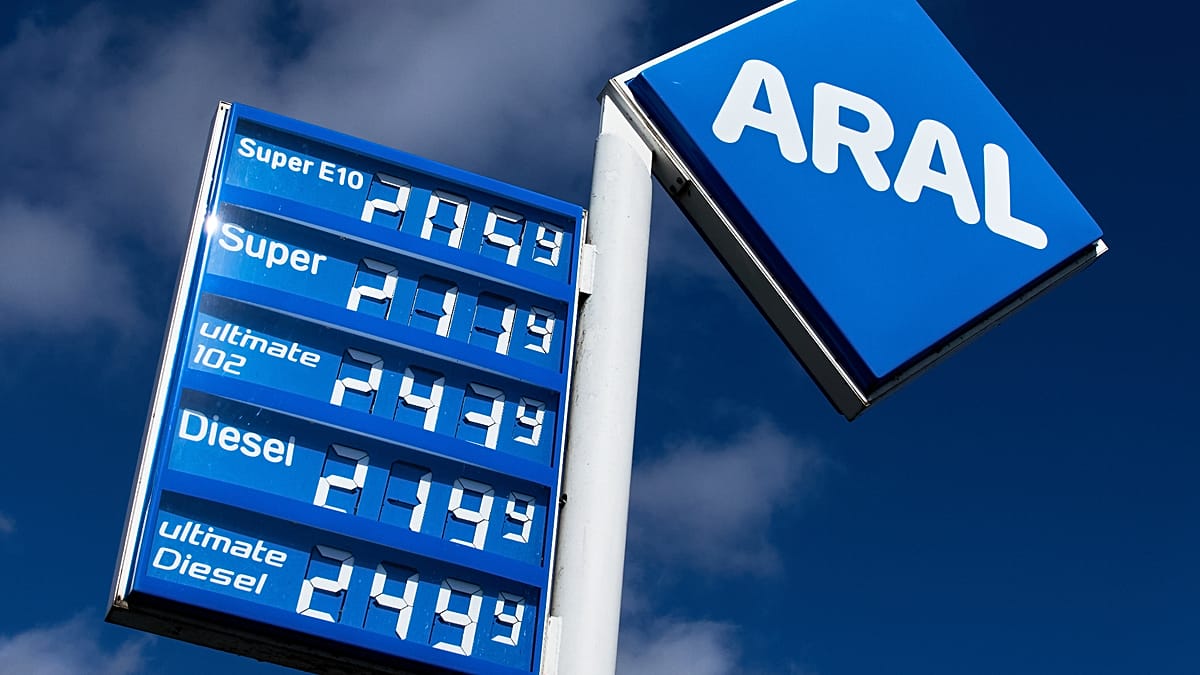
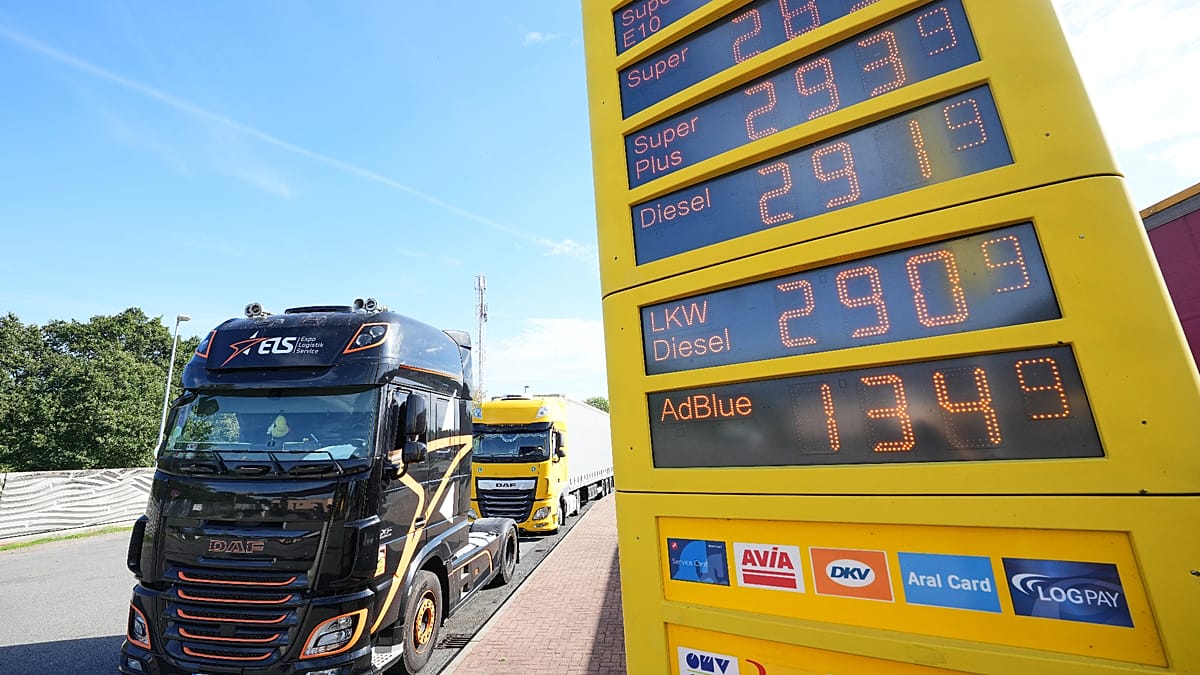
The figures, based on EU Weekly Oil Bulletin data and national minimum wage levels, show how the conflict has amplified existing disparities. Average diesel prices in the EU jumped 39.6% between 23 February and 21 September, while petrol rose 27.8%. The Strait of Hormuz carries about one-fifth of global oil, and its effective closure has sent shockwaves through European fuel markets.
Why low earners feel the pinch most
Torsten Müller, senior researcher at the European Trade Union Institute, explained that lower-income households are disproportionately affected because they spend a larger share of their income on essentials like housing, food and transport. “One litre of diesel is only marginally cheaper in Bulgaria while the minimum wage is less than a fourth of the one in Luxembourg,” he told Euronews Business.
Even after adjusting for price differences using purchasing power standards, Luxembourg's minimum wage is still twice as high as Bulgaria's. This means that in countries like Latvia, Romania, Greece and Czechia, filling a tank now takes more than 10% of the monthly minimum wage for petrol, and in several cases even more for diesel.
For diesel, the share exceeds 10% in Latvia (13.9%), Turkey (13.8%), Romania (12.7%), Czechia and Estonia (11.2%), Hungary (10.8%), Greece (10.4%) and Portugal (10.3%). By contrast, workers in Ireland (4.3%), Germany (5.2%), Belgium (5.3%) and the Netherlands (5.5%) spend the least.
Esther Lynch, general secretary of the European Trade Union Confederation, warned that such costs could push people out of work. “When the average cost of rent is already more than a third of the minimum wage, spending another 15% of your entire wage on fuel is just not possible,” she said. She added that workers in areas without reliable public transport would be forced to give up their jobs, which would hurt both employees and companies already facing labour shortages.
The burden has grown most sharply in Central and Eastern Europe. Compared with February, the share of the minimum wage needed for a diesel tank rose by 5.5 percentage points in Bulgaria and 5.3 points in Turkey. Latvia, Czechia and Estonia also saw increases of more than 3 points.
Malta was the only country in the comparison where fuel prices remained unchanged. Estonia recorded the largest minimum wage increase in the eurozone, at 6.8%, but that did little to offset the fuel price surge.
The data also reveals how much fuel a minimum wage can buy. As of 21 September, a Bulgarian minimum-wage earner could afford 324 litres of diesel, while a Luxembourg worker could buy 1,311 litres — a fourfold difference.
These trends are likely to feed into broader economic pressures. Spanish inflation hit 4.9% in September as fuel costs rebounded, and diesel taxes vary widely across the bloc, further complicating the picture. The crisis also comes as EU summer flights hit a record high, showing that demand for travel remains strong even as costs climb.
For policymakers, the numbers underline the urgency of addressing energy poverty and transport inequality. As Müller noted, the wide gaps in these shares are largely explained by differences in minimum wages, but the impact is felt most acutely by those who can least afford it.