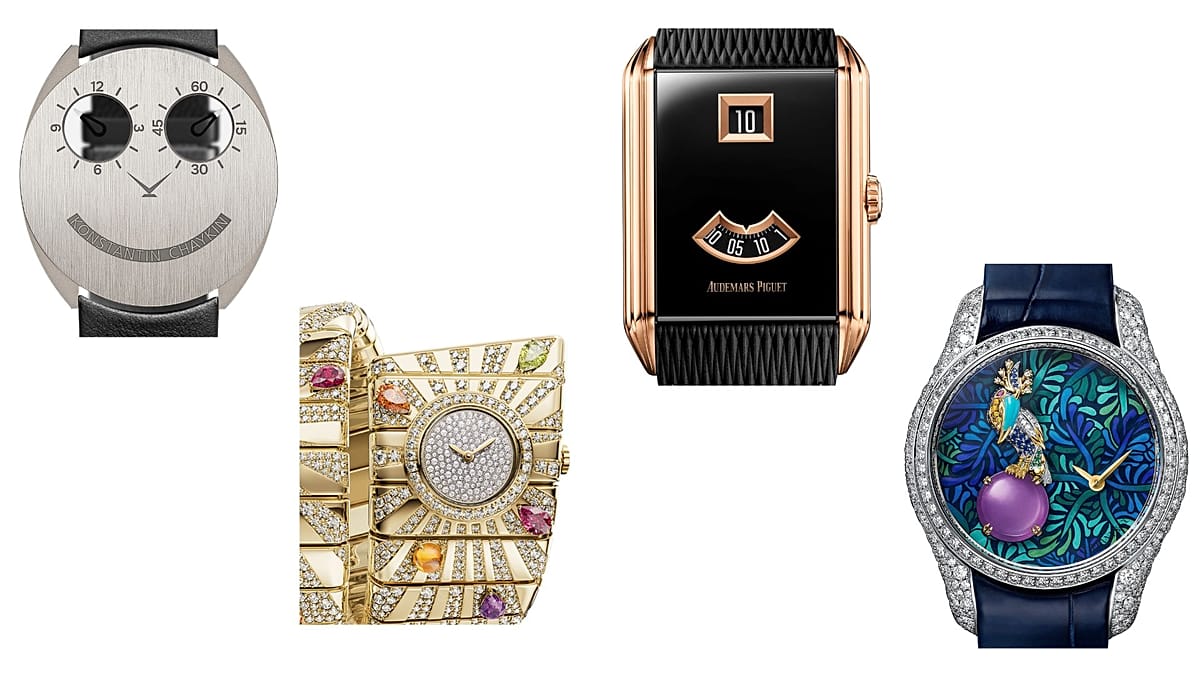
The Grand Prix d'Horlogerie de Genève (GPHG), often described as the Oscars of watchmaking, is preparing for its 26th edition on Saturday 7 November in Geneva. This year, the organisers have made a significant break with tradition by abolishing the gender-based categories that have long structured the competition.
Instead of separate prizes for men's and ladies' watches, the 2026 awards will feature two new technical categories: Essential Watch and Complication Watch. According to the GPHG, this change is intended to "reflect changing purchasing behaviours and meet industry expectations," offering a platform that is "more representative of a market featuring increasingly blurred traditional boundaries."
The overhaul comes as the industry itself moves away from rigid gender segmentation. Many Swiss maisons, including those in the Jura Arc and Geneva, now market their timepieces as unisex or gender-neutral, a trend that has accelerated in recent years. The decision aligns the GPHG with broader European shifts towards inclusivity, a topic that remains lively in Brussels and beyond, as Europe leads global gender parity but internal gaps persist.
A new category and a broader field
In addition to the category restructuring, the GPHG has introduced a Gemset prize for watches set with up to six carats of gemstones, leaving the Jewellery category for the most exceptional high-jewellery pieces. The Iconic Watch Prize, which honours contemporary reinterpretations of models with a lasting influence of more than 20 years, is now open to the entire watch market, not just officially entered pieces.
The Special Jury Prize has also been expanded. It can now recognise not only individuals and institutions but also brands—whether or not they are in the competition—for significant developments or exemplary approaches to ethics and sustainability. This broadening reflects a growing emphasis on responsible practices within the European luxury sector.
The 2026 edition sees 84 watches and clocks competing across 14 categories, including sports, calendar and astronomy, and mechanical exception. The winners are selected by a jury of collectors, watchmakers, journalists, and auctioneers. The top honour, the Aiguille d'Or Grand Prix, is open to any watch in the competition. Last year, it went to Breguet's Classique Souscription 2025, a single-hand timepiece.
This year, independent watchmakers are taking a more prominent role. Among the nominees is Moscow-based Konstantin Chaykin, whose ThinKing Mystery is billed as the thinnest series-produced mechanical watch in the world. His presence underscores a growing contingent of independents challenging the Swiss establishment, a trend that has been gaining momentum across Europe.
However, several legendary names are absent. Rolex has never participated, and past winners such as Patek Philippe, Cartier, Vacheron Constantin, F.P. Journe, Richard Mille, A. Lange & Söhne, Greubel Forsey, and Breguet are barred from competing the following year under GPHG rules. This means the field is wide open, and surprises are likely.
The ceremony, which will be streamed live on Euronews Culture, promises to be a glamorous affair. But beyond the red carpet, the changes signal a deliberate effort by the GPHG to stay relevant in a rapidly evolving market. As the European watch industry grapples with shifting consumer preferences and the rise of smartwatches, the move away from gender categories may be a breath of fresh air—one that could set a precedent for other luxury sectors.