Recent weeks have delivered a concentrated dose of history, underscoring a profound transformation in global affairs. Financial markets have whipsawed, geopolitical tensions have intensified, and the long-assumed certainties of the post-Cold War era continue to dissolve. This turbulence is not an aberration but a signal of a deeper structural shift, moving the world from a unipolar system centred on Washington towards a fragmented, multipolar reality.
The Fourth Turning: An Era of Fragmentation
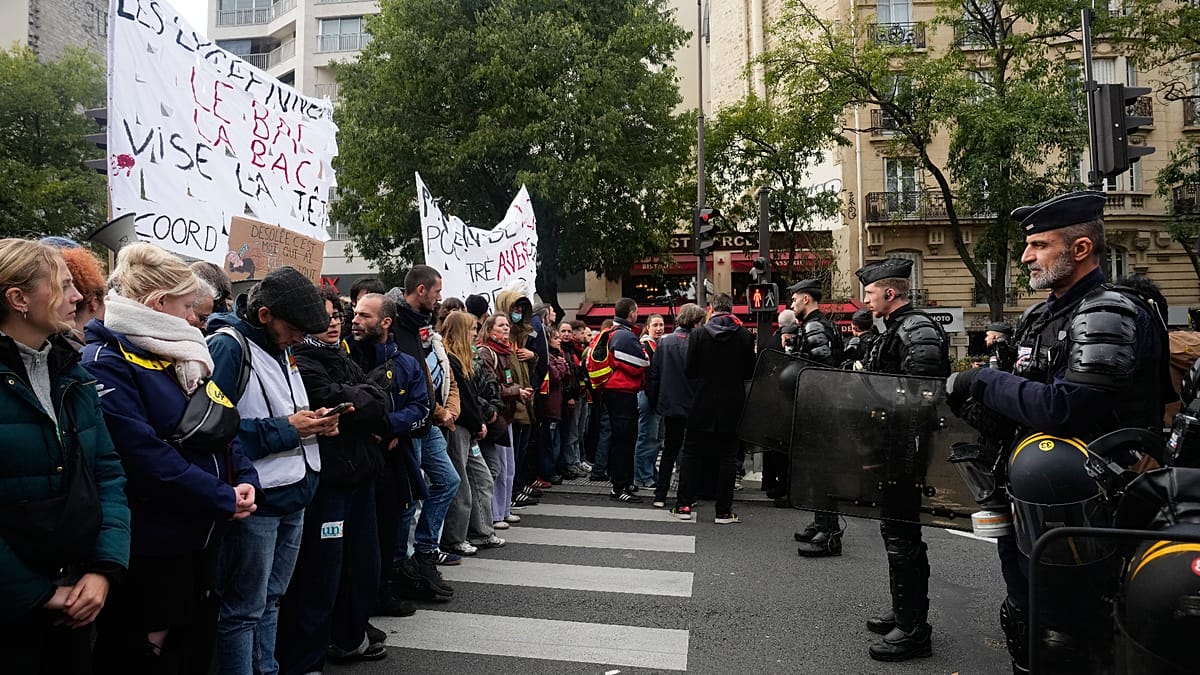
As historian Neil Howe argues in his work on generational cycles, we have entered a 'Fourth Turning'—a period historically marked by institutional crisis, geopolitical conflict, and the rise of political extremes. The centrist consensus that dominated Western politics for decades is weakening, creating a vacuum filled by more radical voices from both the left and right. This political realignment makes decisive governance, whether in Berlin, Paris, or at the European Commission, increasingly difficult.
This political volatility is inextricably linked to economic upheaval. The era of seamless globalisation, characterised by a single, synchronised business cycle, is over. We are now witnessing what some analysts term 'multi-globalisation,' where major economic blocs decouple and pursue divergent paths. No longer do the central banks in Frankfurt and Washington move in lockstep; the European Central Bank and the Federal Reserve may now chart entirely different monetary courses based on disconnected economic realities.
The Rise of Competing Powers
In this new landscape, China has firmly established itself as a pole of economic and military power, challenging American primacy. Meanwhile, Japan is exiting decades of deflation, altering financial flows across Asia. The world's economic tectonic plates are moving at different speeds and in different directions. The inevitable collisions generate immense volatility in currency and bond markets, creating a persistent climate of financial uncertainty.
The drivers of this new paradigm are powerful and structural: unsustainable debt levels across major economies, demographic aging from Lisbon to Warsaw, the fragmentation of global trade, a renewed great-power arms race, and the escalating costs of climate change. Innovation in technology may offer some mitigation, but it is unlikely to fully counterbalance these four formidable forces.
Maybe in 30 years’ time we will look back on today as both the start of the European Renaissance and the end of US Exceptionalism.
Strategic Imperatives for a Volatile World
For investors, this environment demands a fundamental rethink. Holding excessive cash is risky as inflation erodes purchasing power. The focus must shift towards real assets—equities, real estate, and commodities like gold and silver. Analysts suggest we are in the early stages of a prolonged commodity bull market, driven by profound supply constraints. Companies, for their part, must develop sophisticated hedging strategies to navigate a world of higher, more volatile input costs and interest rates.
Nations, too, face a stark test. Those that understand the new rules—prioritising strategic autonomy, supply chain resilience, and fiscal sustainability—have a chance to thrive. Those that do not, risk being hounded by bond markets and left behind. The recent scrutiny of national defence spending, as seen in cases like Hungary's review of its Orbán-era defence plans, underscores how financial prudence and geopolitical strategy are now fused.
Europe's Long and Winding Road
For Europe, the challenge is existential. The continent's struggle to 'speak with one voice' on issues from foreign policy to energy security undermines its global relevance at a critical juncture. The path to reclaiming a decisive role on the world stage is long and arduous, requiring political will that often seems in short supply within the Cinquième République, the Bundestag, and across the Visegrád Group.
Yet within this crisis lies opportunity. A genuine European renaissance would be built not on nostalgia but on a clear-eyed embrace of this multipolar reality. It would require deeper integration in defence and capital markets, a coherent industrial strategy, and a foreign policy that leverages the EU's collective weight. Success could bolster the euro and European equities, signalling a true rebalancing of global influence away from the era of American exceptionalism.
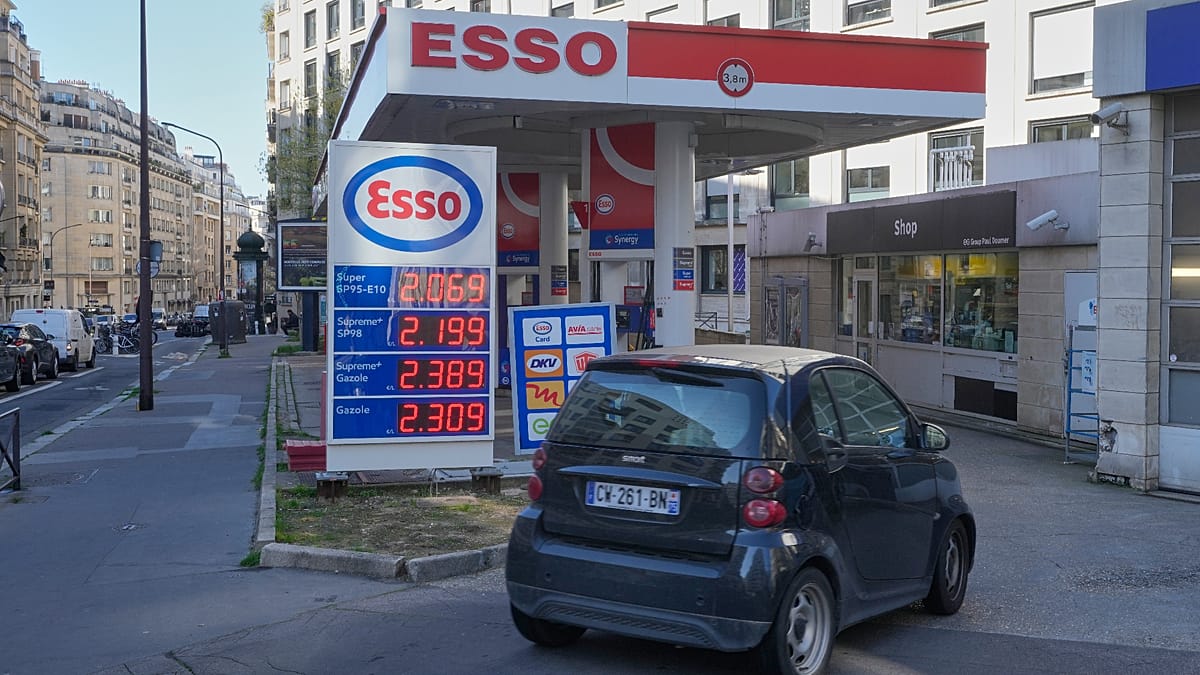
However, this is no guaranteed destiny. External conflicts, such as the war in Ukraine or tensions in the Middle East that threaten prolonged energy price hikes, constantly test European unity. The coming years will reveal whether Europe's distinct nations can muster the collective resolve to navigate the volatility and shape the new world order, or whether they will be shaped by it.