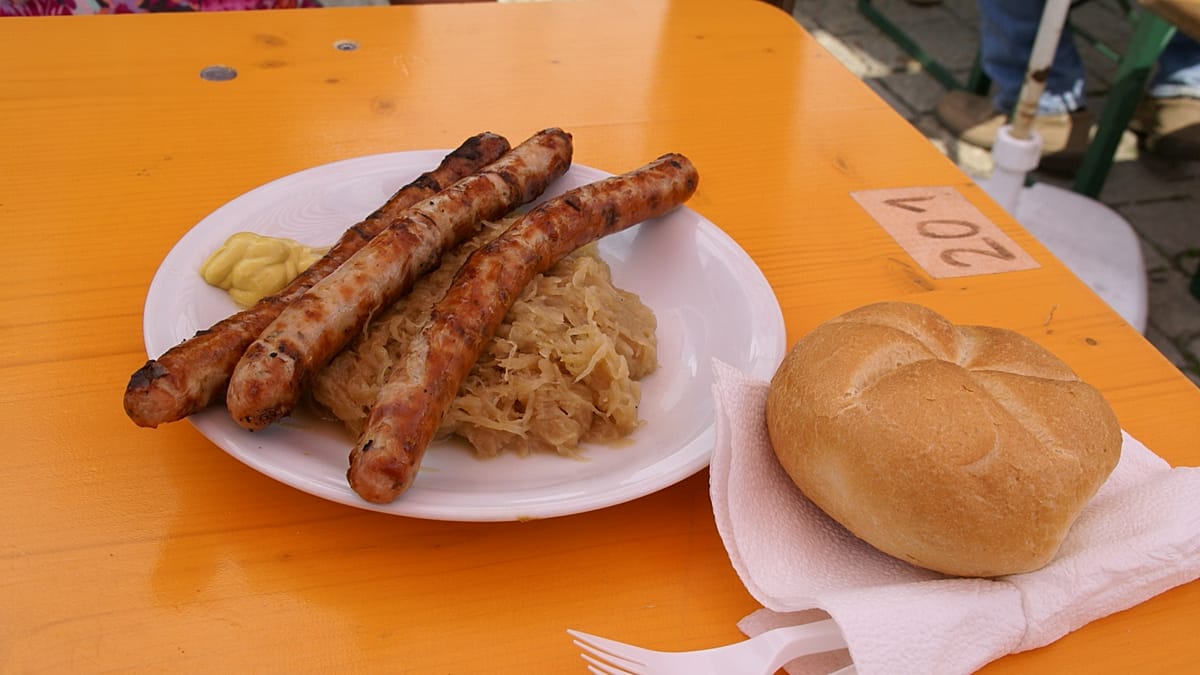
Volunteer fire brigades across Germany are bracing for an unwelcome New Year's surprise. From 1 January, updated value-added tax rules will apply to all municipalities, potentially obliging local groups—including fire brigades that operate as part of the town administration—to charge VAT on sales of bratwurst, beer and other staples at village festivals and Easter bonfires.
The change stems from section 2b of the German VAT Act, a provision that has been postponed repeatedly but is now set to take effect. Under the new framework, public bodies such as municipalities and towns will generally be liable for VAT when they engage in commercial activities. For volunteer fire brigades that are not constituted as independent associations, that means sales at local events could suddenly fall within the tax net.
Since 1 January 2026, a reduced rate of 7% has applied to food sold at snack bars and restaurants. But the requirement to keep detailed sales records and issue receipts has alarmed volunteer organisers, who say the administrative burden is disproportionate to the modest sums raised.
Satire and frustration in equal measure
Writing on the portal Kommunal.de, Christian Erhardt-Maciejewski captured the mood with a satirical piece headlined “Hurrah, the tax office is grilling the fire brigade.” He predicted a wave of creative restructuring: “The most resourceful brigades will set up a support association so that they can carry on selling sausages. The fire brigade festival becomes an association festival, the grill master turns into a treasurer, mustard becomes a question for the statutes. A whole new form of volunteering is born in Germany: finding ways to dodge the tax authorities.”
The backlash has quickly moved from commentary pages to state parliaments. In Schleswig-Holstein, the CDU, the Greens and the FDP have jointly called for the rules to be paused or for additional exemptions to be carved out. Christopher Vogt, who chairs the FDP parliamentary group in Kiel, put the case bluntly: “If the bratwurst at the Easter bonfire becomes a case for the tax office, something has gone seriously wrong.” He urged the state government to “urgently provide support for local volunteers.”
There has already been some movement in North Rhine-Westphalia, where finance minister Marcus Optendrenk reportedly issued a decree clarifying that bratwurst sales by volunteer fire brigades are to be exempt from VAT. That decision may serve as a template for other Länder, but it also highlights the patchwork nature of Germany's federal tax administration.
A wider debate about volunteering
At its core, the dispute is about how the state treats the unpaid work that holds many small towns together. Volunteer fire brigades are not merely social clubs; they are the first line of response in rural areas, often covering distances that professional services cannot reach quickly. Their festivals and sausage stalls are not commercial ventures in any conventional sense—they are fundraising exercises that pay for equipment, training and youth programmes.
Critics argue that applying VAT to such activities risks turning volunteers into part-time bookkeepers. The requirement to issue receipts for every bratwurst sold at a crowded village fair is, they say, a recipe for confusion and resentment. Some brigades may simply stop selling food altogether, depriving communities of both a social tradition and a vital revenue stream.
The timing is particularly awkward for Germany's coalition government in Berlin, which has repeatedly emphasised the importance of civic engagement. Similar tensions over tax rules for small-scale activities have surfaced elsewhere in Europe, from Dutch coalition talks over tax deals to broader debates about the informal economy. But the German case is distinctive because of the sheer number of municipalities involved and the symbolic weight of the bratwurst itself.
For now, the outcome remains uncertain. Some states are pushing for exemptions, others are waiting for federal guidance, and many volunteer brigades are simply trying to work out whether their next sausage stall will require a receipt book. What is clear is that a technical tax provision has touched a nerve far beyond the finance ministries—and that the humble bratwurst has become an unlikely test of how Germany values its volunteers.