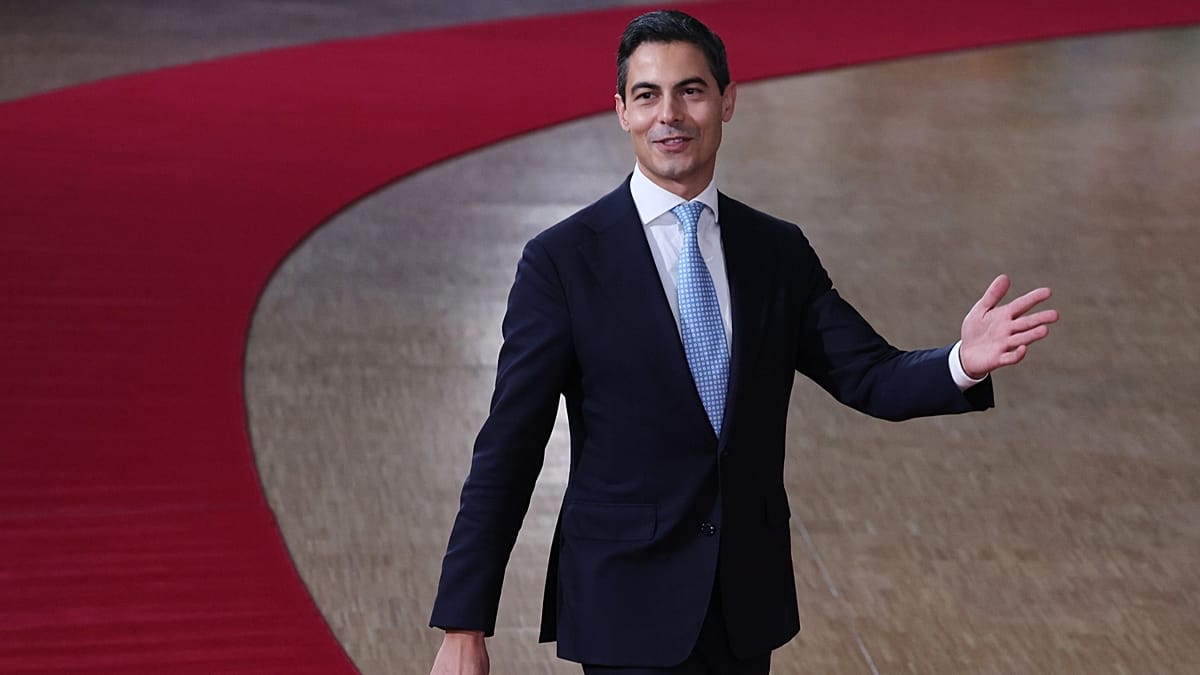
The Hague — Dutch Prime Minister Rob Jetten spent the weekend in emergency negotiations with his coalition partners, fighting to prevent the collapse of his minority government after a parliamentary tax vote exposed deep fractures within the cabinet. The talks, which began on Friday and stretched over several hours, failed to produce a definitive resolution, leaving the government's future hanging in the balance.
The crisis erupted on Thursday night when lawmakers from Jetten's centrist D66 party and the Christian Democrats (CDA) sided with two left-wing opposition parties, PRO and Volt, to push through a tax package that includes a higher levy on large investment returns. The plan, which the left-wing parties branded a "millionaire's tax," would impose a 38.5% rate on returns exceeding €60,000 from savings and investments, while leaving smaller investors untouched.
The move infuriated the right-wing VVD, the third party in the coalition. VVD leader Dilan Yeşilgöz-Zegerius said she had been blindsided by the deal, and her party voted against the government's own tax proposal in parliament. The unprecedented rebellion underscored the fragility of the coalition, which has been in office for only nine months.
A 'failed experiment'?
After more than seven hours of crisis talks on Friday, Jetten emerged to announce that the government would stay together "for now," but the VVD's leader was blunt in her assessment. "The minority cabinet is a failed experiment and it cannot go on like this," Yeşilgöz told reporters, calling for a "fundamental reset" of the coalition.
Jetten, the Netherlands' youngest premier, acknowledged the need for a "serious fresh start." "In recent days, many good things have happened, but also things that have not gone well... we have to do better," he said. "And that requires in-depth talks, which we began today. This conversation is not yet complete. For that reason, I will spend the next few days continuing these talks with the three coalition parties, in a calm and measured manner."
The standoff is the latest symptom of a deeply fragmented political landscape in the Netherlands, which has seen four general elections in a decade and a steady erosion of public trust in lawmakers. Jetten came to office promising a new era of consensus politics, but he has struggled to contain infighting not only among parliamentary parties but also within his own cabinet.
The tax dispute has raised the specter of snap elections, a prospect that would plunge the Netherlands into yet another period of political uncertainty. The country's proportional representation system makes coalition-building notoriously complex, and the current minority setup—an unusual arrangement in Dutch politics—has proven particularly unwieldy.
Political analysts note that the VVD's decision to vote against its own government's plan is a dramatic escalation. "This is not just a policy disagreement; it's a fundamental breach of coalition loyalty," said Sarah de Lange, a political scientist at the University of Amsterdam. "The VVD is signaling that it will not be bound by agreements it deems unacceptable, which raises serious questions about the viability of this government."
The tax measure itself reflects broader debates across Europe about wealth inequality and the role of taxation in funding public services. Similar discussions have taken place in other EU member states, from Portugal's housing protests to debates in Germany over inheritance taxes. The Dutch proposal, however, has become a flashpoint for ideological divisions within the coalition.
As the weekend talks continue, Jetten faces the daunting task of reconciling the VVD's demands for a reset with the left-leaning parties' insistence on progressive taxation. The prime minister has not ruled out concessions, but any deal will likely require significant give-and-take from all sides.
For now, the government remains in office, but its longevity is far from assured. If the talks fail, the Netherlands could be heading to the polls sooner than expected, adding to a growing list of European countries grappling with political instability. The outcome of these negotiations will be closely watched not only in The Hague but across the continent, as a Dutch collapse would further complicate the EU's political landscape.