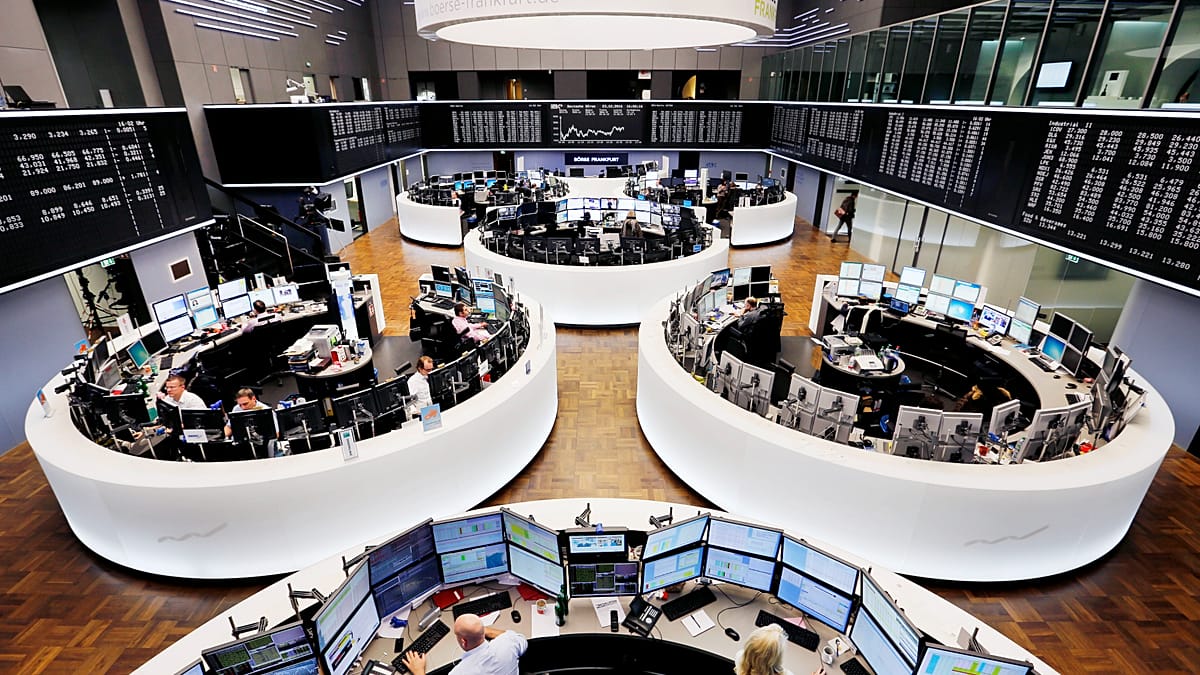
Germany has successfully lobbied to keep certain trading venues operated by Deutsche Börse under national oversight, rather than placing them under the direct supervision of the European Securities and Markets Authority (ESMA), according to two people familiar with the negotiations. The carve-out was inserted into the latest compromise text by the Irish government, which currently chairs discussions among EU member states, the sources told European Pulse.
The move threatens to complicate the EU's flagship capital markets integration reform, a legislative package designed to reduce fragmentation and boost Europe's global economic competitiveness. The reform, part of the broader Savings and Investments Union (SIU) strategy, aims to channel more European savings into productive investment and reduce reliance on bank financing.
Under the proposed rules, ESMA would take over direct supervision of major trading venues and financial market infrastructures. However, the exemption sought by Berlin would leave some of Deutsche Börse's domestically focused trading platforms under the watch of German regulators, a decision that has drawn criticism from other member states and risks derailing the goal of reaching an agreement by the end of the year.
What exactly is exempted?
The German finance ministry insists the exemption is not a blanket carve-out for the entire Deutsche Börse Group. A spokesperson told European Pulse: "The compromise is not a carve-out for Deutsche Börse Group. Irrespective of the discussion about trading venues, Deutsche Börse Group will come under direct ESMA supervision from day one with its financial market infrastructure entities (CCPs and CSDs)."
That means the group's clearing houses (central counterparties, or CCPs) and central securities depositories (CSDs) — which manage risk between buyers and sellers and hold securities for settlement — would still fall under ESMA's remit. The exemption would apply only to trading venues whose primary activity is domestic, not cross-border.
Yet critics argue that Deutsche Börse, as one of Europe's largest exchange operators, is precisely the kind of systemic player that should be supervised at the EU level to ensure consistent oversight across the single market. The pushback from other capitals could delay the legislative process, which is already under time pressure.
EU economic and finance ministers are scheduled to meet on 9 October, and according to the sources, the aim is to discuss the reform and reach a political agreement on that occasion. Whether the carve-out survives that meeting remains uncertain.
Why capital markets integration matters
Capital markets are where individuals, institutions, and governments buy and sell long-term financial instruments like equities and bonds. They provide businesses with an alternative to bank loans, which remain the dominant source of corporate financing in Europe. But cross-border investment is still costly and administratively burdensome because rules differ between member states, and even where they are harmonised, implementation varies.
This fragmentation has real consequences. According to the European Commission's 2026 European Macroeconomic Report, around €300 billion of EU savings flow out of the bloc every year in net terms, largely to the United States, where capital markets are deeper and more liquid. European startups often look across the Atlantic for funding — Swedish fintech Klarna, for example, chose New York for its stock market listing rather than a European exchange.
European Central Bank President Christine Lagarde has repeatedly called for capital markets integration as a top priority, and former Italian Prime Minister Mario Draghi's 2024 report on European competitiveness identified it as a major step toward closing the innovation and productivity gap with the US and China.
The outcome of the October meeting will be a key test of whether the EU can overcome national interests to deliver on its economic ambitions. As divisions over 'Made in Europe' have shown, reconciling national priorities with collective goals is never straightforward.
For now, Germany's stance suggests that even the bloc's largest economy is not willing to cede full control over its financial infrastructure to Brussels. The question is whether that position will ultimately weaken the reform or simply slow it down.