Germany has recorded a sharp increase in applications for conscientious objector status following the entry into force of new conscription legislation at the start of 2026. According to the Federal Office of Family Affairs and Civil Society Functions (BAFzA), 2,656 applications were submitted in the first three months of the year — more than two-thirds of the total registered across the whole of 2025.
The figures, first reported by the Neue Osnabrücker Zeitung, show that 3,867 applications were filed in all of 2025, up from roughly 3,000 in 2024. If the current pace continues, 2026 would see more conscientious objector applications than any year since Germany suspended compulsory military service in 2011.
New Law Triggers Registration Requirement
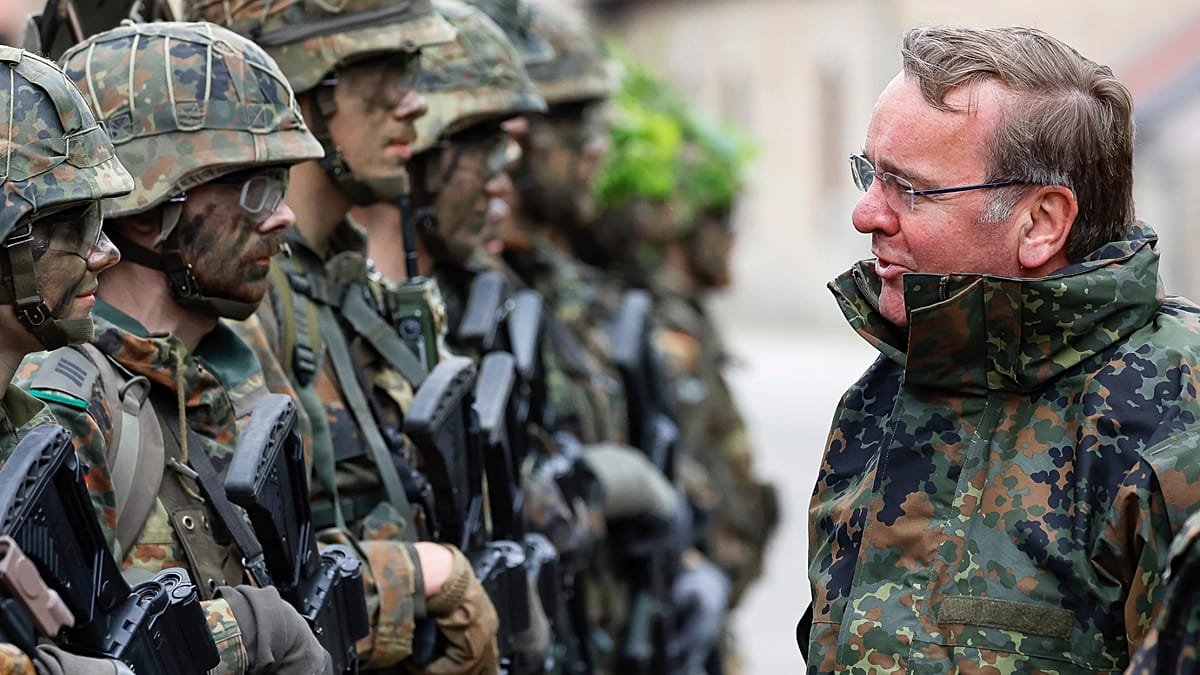
The rise follows the implementation of a reform requiring young men born in 2008 or later to register for potential conscription. The Bundestag retains the authority to activate compulsory service if voluntary recruitment falls short of the Bundeswehr's needs. Defence Minister Boris Pistorius has framed the changes as a necessary response to a deteriorating security environment. "The world has become more unpredictable and yes, it must also be said, more dangerous," he said recently.
Pistorius has set a target of at least 260,000 active soldiers in the Bundeswehr, with a combined active and reserve force of 460,000 — a scale that would make it one of the largest armies in Europe. The reservists' association has also called for raising the maximum age for reservists from 65 to 70.
Public unease has been compounded by discussion of a possible requirement for men of fighting age to seek authorisation before travelling abroad for extended periods. The debate echoes broader European concerns about military readiness, as seen in other member states grappling with similar questions.
Not all Germans are rejecting armed service. In 2025, 781 people who had previously declared conscientious objector status reversed their decision. A further 233 did so in the first quarter of 2026. The trend suggests a complex and divided public response to the new law.
The development comes amid a wider European reassessment of defence policies, with several countries increasing military spending and revisiting conscription models. For context on Germany's evolving strategic posture, see our analysis of Germany's first-ever military strategy.
Meanwhile, the economic implications of shifting priorities are also being felt across the continent. The recent surge in fuel prices in Latvia and Sweden highlights how geopolitical tensions can quickly affect European households and industries.