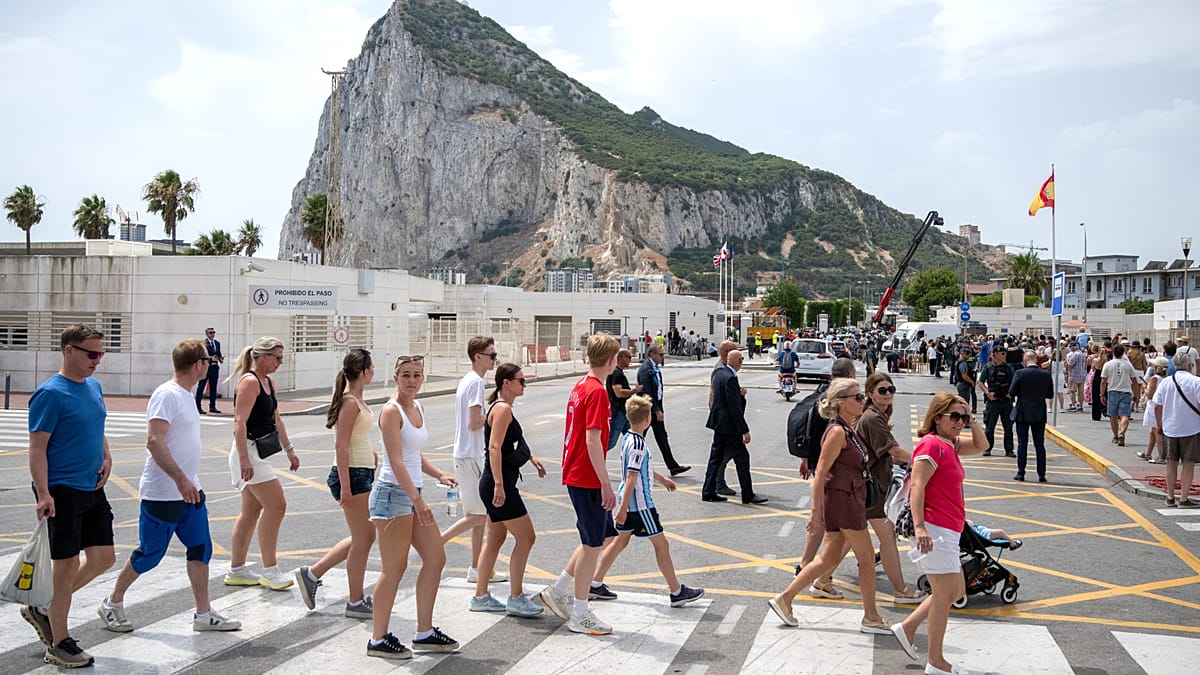
For decades, the border between Spain and Gibraltar was a daily bottleneck for thousands of workers, shoppers, and families. Routine checks, often causing long delays, have now been lifted, marking a significant shift in cross-border relations. The change, implemented on [date], has been met with a mix of relief and skepticism among residents on both sides.
A New Era of Movement
The end of routine checks means that the estimated 15,000 people who cross the border each day—many from Spanish towns like La Línea de la Concepción and San Roque—can now pass through without showing passports or enduring vehicle inspections. For many, this is a long-awaited improvement. 'It used to take me an hour just to get to work,' said María López, a Spanish nurse who commutes to Gibraltar's St Bernard's Hospital. 'Now it's ten minutes. It feels like a different world.'
Gibraltar's Chief Minister, Fabian Picardo, hailed the move as a sign of renewed cooperation, stating, 'Europe is back.' The sentiment echoes broader efforts to normalize ties between the UK overseas territory and Spain, which have been strained for centuries over sovereignty disputes. The agreement, ratified by Spain in a recent parliamentary vote, reaffirms Madrid's claim to the Rock but prioritizes practical cooperation.
Cautious Optimism
Not everyone is celebrating. Some residents worry about the long-term implications, particularly regarding security and economic stability. 'It's convenient, but what about control?' asked Juan García, a shopkeeper in La Línea. 'We've seen smuggling and illegal trade before. Without checks, it could get worse.' Others fear that the easing of border controls might lead to increased pressure on Gibraltar's infrastructure, including housing and healthcare, as more Spanish workers seek opportunities on the Rock.
The end of checks also comes amid broader economic shifts in the region. Spain's inflation has steadied at 3.2%, which could affect cross-border spending patterns. Meanwhile, Gibraltar's economy, heavily reliant on financial services and online gaming, may see a boost from easier movement of talent.
Political and Social Dimensions
The border change is part of a larger diplomatic thaw. Spain and the UK have been negotiating a post-Brexit treaty for Gibraltar, aiming to create a 'shared prosperity zone.' The removal of checks is seen as a confidence-building measure. However, the sovereignty question remains unresolved. Spain's government has reiterated that the deal does not imply recognition of British sovereignty over Gibraltar, a stance that keeps the issue alive in Madrid and London.
For residents, the practical benefits are immediate. Families separated by the border can now visit without hassle. Businesses in both Gibraltar and the surrounding Spanish towns expect increased footfall. 'This is good for everyone,' said Ahmed Benítez, a Gibraltarian shop owner. 'We are neighbors, not enemies.'
Yet, the long-term impact will depend on how both sides manage the new openness. Picardo's optimistic vision may face challenges if security concerns or economic disparities arise. For now, the daily commute has become a little easier—a small but meaningful change for thousands.