For communities returning to areas scarred by conflict, the first obstacle is often hidden underground. Landmines and unexploded ordnance can render fields, roads, and residential areas unusable, delaying the reconstruction of homes and critical infrastructure. The fourth International Mine Action Conference, held in Baku, brought together experts from more than 60 countries to confront this enduring threat.
Demining alongside reconstruction
Azerbaijan, which hosted the event, is pursuing a strategy that pairs demining with reconstruction. In territories reclaimed after the 2020 Nagorno-Karabakh war, authorities are clearing land in parallel with rebuilding efforts, aiming to accelerate the return of displaced populations. Officials from Baku presented case studies showing how coordinated planning between mine action teams and construction crews can reduce delays and ensure that newly cleared areas are immediately put to use.
Other nations shared their own experiences. Cambodia, one of the most heavily mined countries in the world, has spent decades developing community-based demining programs. Croatia, which faced similar challenges after the Yugoslav wars, emphasized the importance of national standards and the integration of mine action into broader development plans. Representatives from Angola and Mozambique highlighted the role of international donors and the need for sustained funding beyond immediate post-conflict phases.
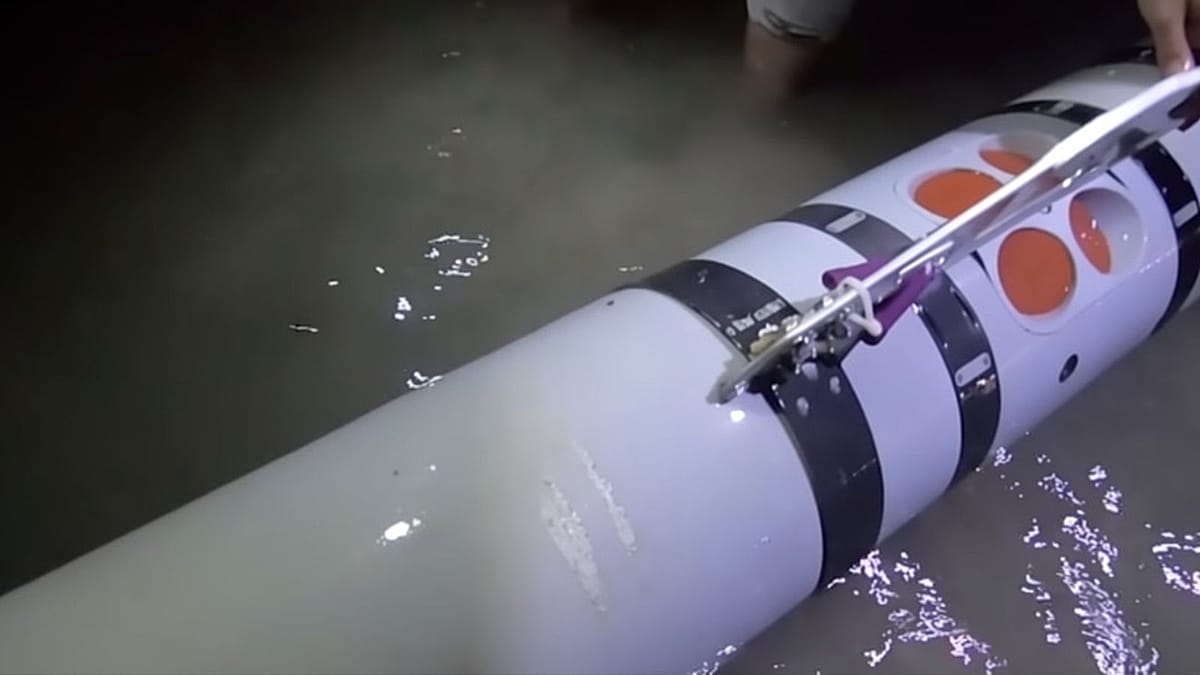
The conference also examined the technical evolution of demining. Manual clearance remains the most reliable method, but new technologies—such as drones equipped with metal detectors and ground-penetrating radar—are increasingly used to map contaminated areas more efficiently. However, experts cautioned that these tools complement rather than replace human deminers, who still carry out the painstaking work of verifying and neutralizing each device.
Beyond the technical aspects, the conference addressed the social dimension of mine action. Survivors of landmine accidents often face long-term physical and psychological challenges. Sessions on victim assistance highlighted the need for medical care, prosthetics, and vocational training to help survivors reintegrate into their communities. The Ottawa Treaty, which bans anti-personnel mines, was a recurring reference point, with delegates urging more states to join and fully implement its provisions.
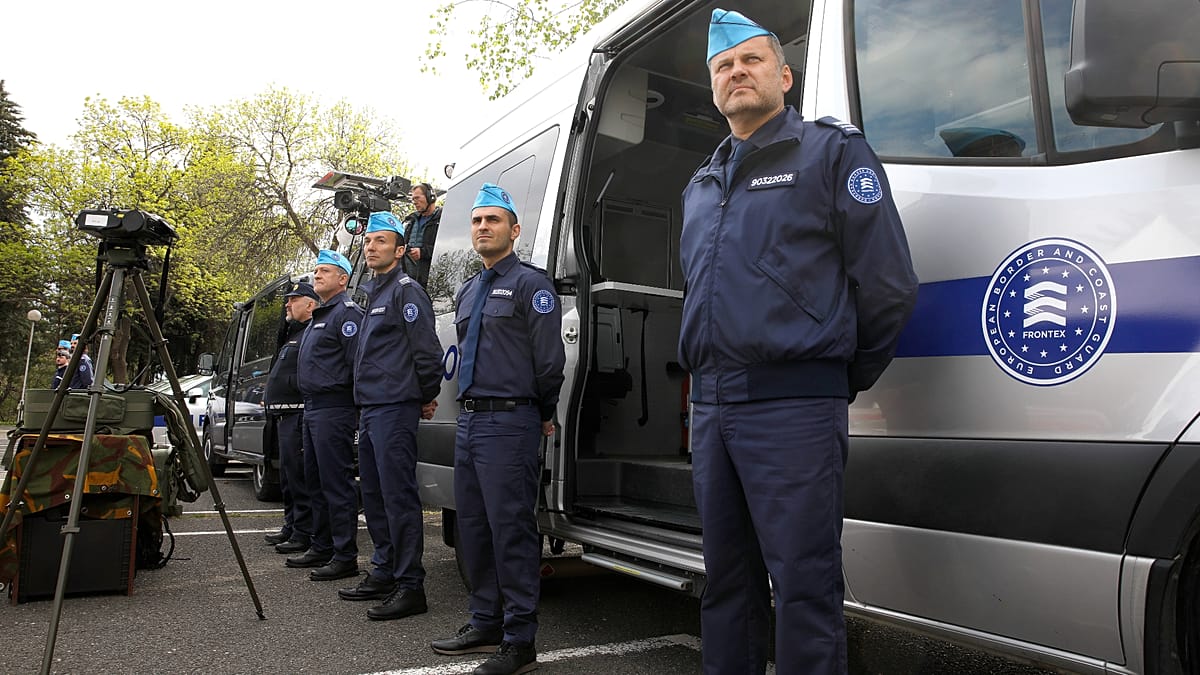
International cooperation was a central theme. The conference featured bilateral meetings between affected countries and donor nations, as well as sessions on funding mechanisms. The European Union, a major contributor to global mine action, presented its latest initiatives, including support for research into more affordable detection equipment. The EU's commitment is part of a broader security strategy that also addresses hybrid threats and other non-conventional challenges.
While the focus was on landmines, delegates noted the growing problem of unexploded cluster munitions and improvised explosive devices in modern conflicts. These weapons pose similar risks to civilian populations and require adapted clearance techniques. The conference called for a more integrated approach to explosive ordnance management, linking humanitarian demining with peacekeeping and stabilization efforts.
As the conference concluded, participants adopted a joint declaration reaffirming their commitment to a mine-free world. The declaration calls for increased funding, better data sharing, and stronger national ownership of demining programs. It also urges the private sector to contribute innovative solutions, from robotic systems to biodegradable materials that could reduce the environmental impact of clearance operations.
The challenge remains immense. According to the International Campaign to Ban Landmines, millions of mines are still buried in over 60 countries. Yet the gathering in Baku demonstrated that progress is possible when governments, international organizations, and civil society work together. For the communities waiting to return home, every cleared field is a step toward rebuilding not just infrastructure, but also a sense of normalcy and security.