Spain's tourism industry is on track to surpass 100 million international visitors in 2026, a milestone that seemed improbable just a few years ago. Data released this week shows that arrivals rose by 5.2% in April alone, bringing the total for the first four months to 26.5 million. Industry associations now describe the 100-million mark as increasingly within reach.
The surge is not merely a return to pre-pandemic levels. It reflects a deeper shift in global travel patterns, as geopolitical tensions and economic uncertainty push tourists toward destinations perceived as safe, stable, and affordable. Spain, with its Mediterranean climate, well-developed infrastructure, and relatively low crime rates, has become a primary beneficiary.
Geopolitical Tailwinds
Conflicts in the Middle East and Eastern Europe, along with rising instability in parts of North Africa, have redirected travel flows. Tourists from the United States, China, and other long-haul markets are increasingly choosing Spain over alternatives like Egypt, Turkey, or Israel. The World Cup and other major events have also boosted visibility.
Domestic factors play a role too. Spain's inflation has held at 3.2% for three months, as Iran conflict pressures prices, but the tourism sector has managed to keep costs competitive. Hotels, restaurants, and airlines have absorbed some of the increases, maintaining Spain's edge over pricier destinations like France or Italy.
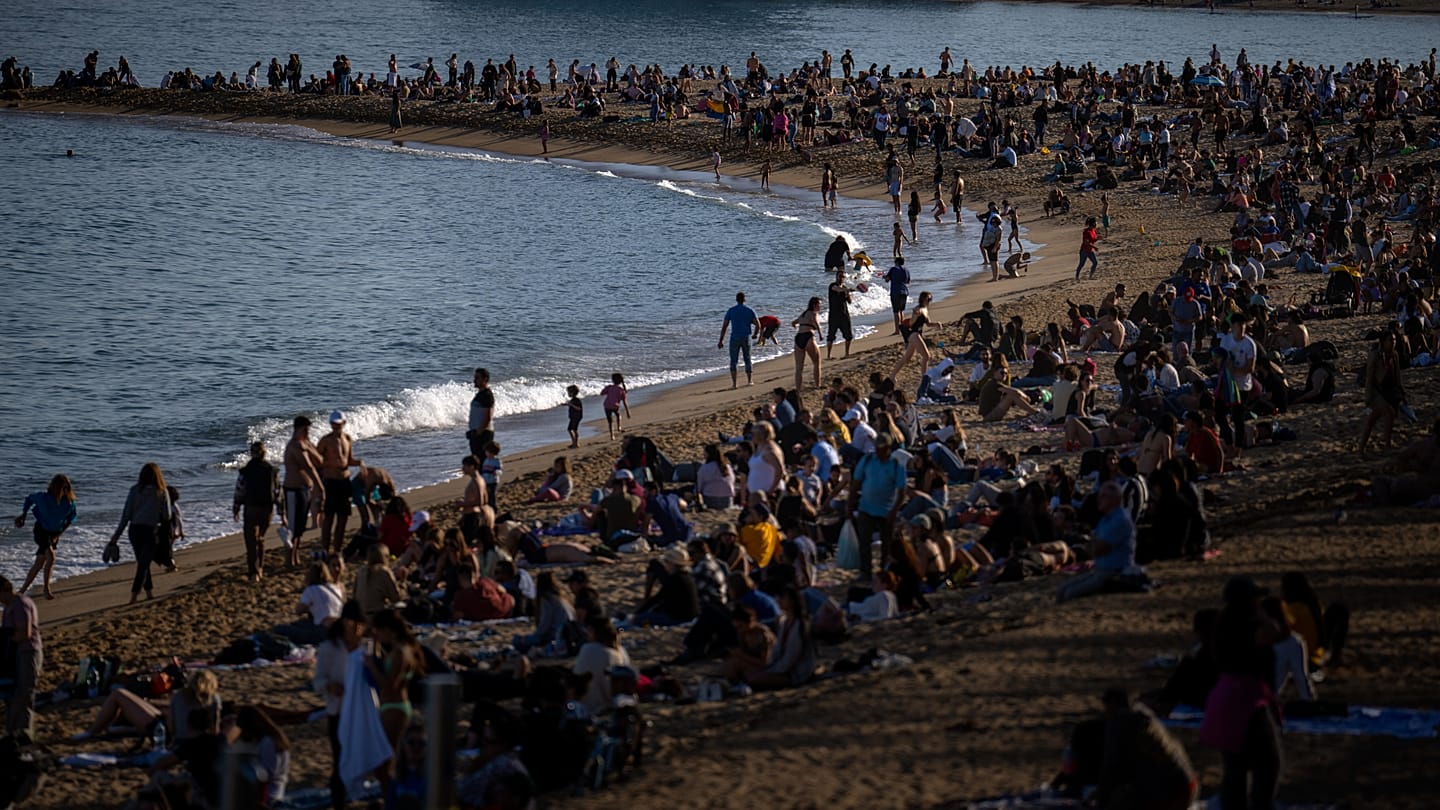
Regional governments are preparing for the influx. The Balearic Islands, Catalonia, and Andalusia have all announced plans to expand airport capacity and improve public transport. In Barcelona, city officials are debating new regulations to manage crowds in the Gothic Quarter and along La Rambla.
Environmental and Social Strains
The boom is not without costs. Environmental groups warn that 100 million visitors would put immense pressure on water resources, energy grids, and natural parks. In the Canary Islands, protests against mass tourism have grown louder, with residents demanding limits on new hotel construction and cruise ship arrivals.
Spain's government has responded with a sustainable tourism strategy, including incentives for off-season travel and investments in renewable energy for resorts. But critics argue these measures are too little, too late. The wave of industrial action across southern Europe has also affected the sector, with strikes by airline staff and hotel workers disrupting services in peak periods.
Meanwhile, the European Commission is watching closely. Brussels has funded several pilot projects for digital nomad visas and rural tourism initiatives, aiming to spread the economic benefits beyond the coast. The IMF's warning against relaxing fiscal rules adds another layer of complexity, as Spain balances growth with debt reduction.
For now, the numbers speak for themselves. If the current pace holds, Spain will join France as the only European countries to welcome over 100 million international visitors in a single year. The question is whether the country can manage the success without sacrificing the qualities that made it attractive in the first place.