Greece is facing a sharp escalation in West Nile virus infections, with the National Public Health Organisation (EODY) reporting 75 new locally acquired cases in the past week. That brings the total for the 2026 transmission season to 232, a figure that has put hospitals and public health officials on high alert.
Of those infected, 165 have developed severe neurological complications such as encephalitis, meningitis, or acute flaccid paralysis. The remaining 67 have experienced milder symptoms or none at all. As of 26 August, 19 people have died, all of them aged over 65, underscoring the particular vulnerability of older adults.
Hospitals under strain
The healthcare system is feeling the pressure. Currently, 73 patients are hospitalised, with 26 in intensive care units and one in a high-dependency unit. Another 124 patients have already been discharged. The concentration of severe cases is stretching resources, particularly in the greater Athens area.
Attica is at the centre of this year's outbreak. EODY reports unusually intense viral circulation in the region, with more cases than in previous years. Across the country, infections have been confirmed in 61 municipalities, 18 regional units, and five regions: Attica, Thessaly, Central Macedonia, Peloponnese, and Central Greece.
Eastern Attica has been hit especially hard. The municipality of Spata-Artemida has recorded 17 cases, 15 of them with central nervous system involvement. Markopoulo Mesogaias follows with 13 cases, while significant numbers have also been detected in Vari-Voula-Vouliagmeni, Agia Paraskevi, Pallini, and Halandri.
Outside Attica, Thessaly is also seeing elevated transmission. Larissa municipality has registered 21 cases, with additional infections in Karditsa, Palamas, Sofades, Kileler, Tempi, Tyrnavos, and Farsala. In Central Macedonia, cases have been reported in the regional units of Imathia, Thessaloniki, Pella, Pieria, and Serres, including the towns of Veria, Pella, Skydra, and Katerini.
New high-risk zones identified
Beyond areas with confirmed human cases, EODY has designated additional municipalities as high risk based on epidemiological and geomorphological data. These include Heraklion of Attica, Nea Smyrni, Nea Filadelfeia-Nea Chalkidona, Dafni-Ymittos, Amfipoli, and Thasos. No human infections have been recorded there yet, but the combination of environmental factors and mosquito activity makes transmission likely.
Surveillance has also detected the virus in equidae, with recent infections in nine clusters across Eastern Attica, Western Athens, Drama, Preveza, and the Metropolitan Unit of Thessaloniki. This animal sentinel data often precedes human cases, adding to concerns.
EODY warns that additional cases are expected in the coming weeks, both in already affected areas and in new ones. The agency also notes that recent figures may be revised upward, as there can be a delay of several days between symptom onset and official confirmation.
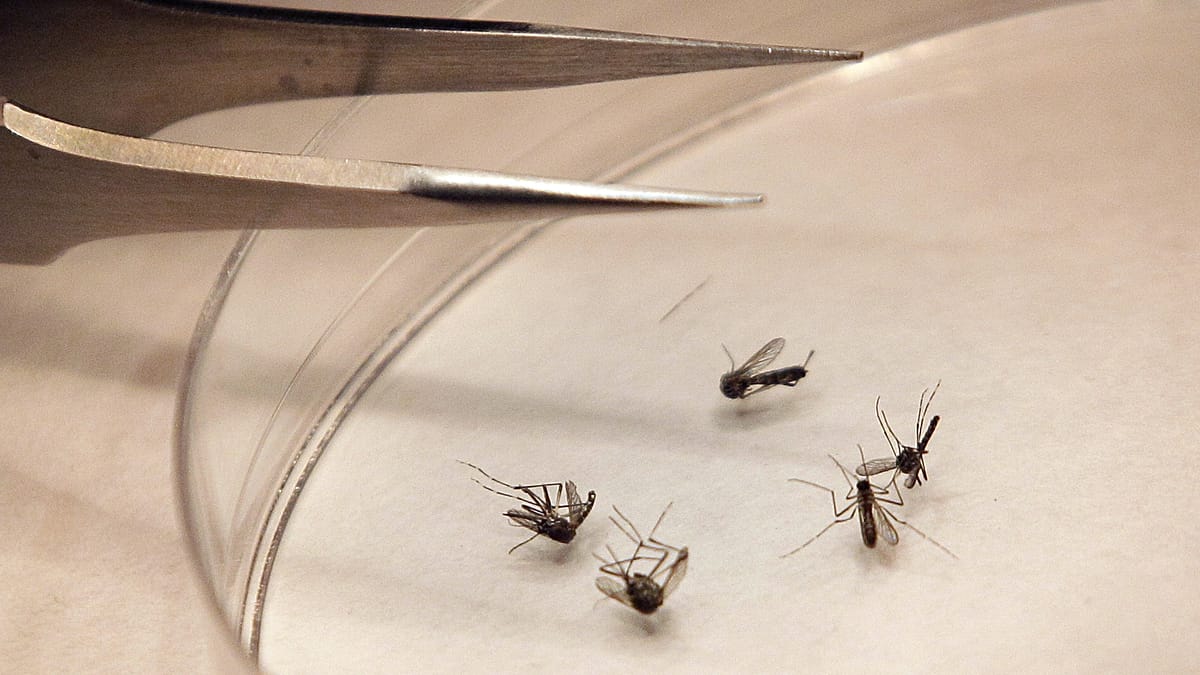
Public health officials are urging residents and visitors in affected regions to take preventive measures, such as using insect repellent and avoiding outdoor activities at dawn and dusk. The outbreak comes as Greece also deals with heightened wildfire alerts and a broader pattern of extreme summer weather. For travellers, the situation is a reminder to stay informed about local health advisories, much as heat awareness has become part of the summer routine.
The current outbreak is one of the most severe in recent years, and the coming weeks will be critical in determining its full scope. With the virus continuing to circulate, the focus remains on limiting new infections and protecting the most vulnerable.