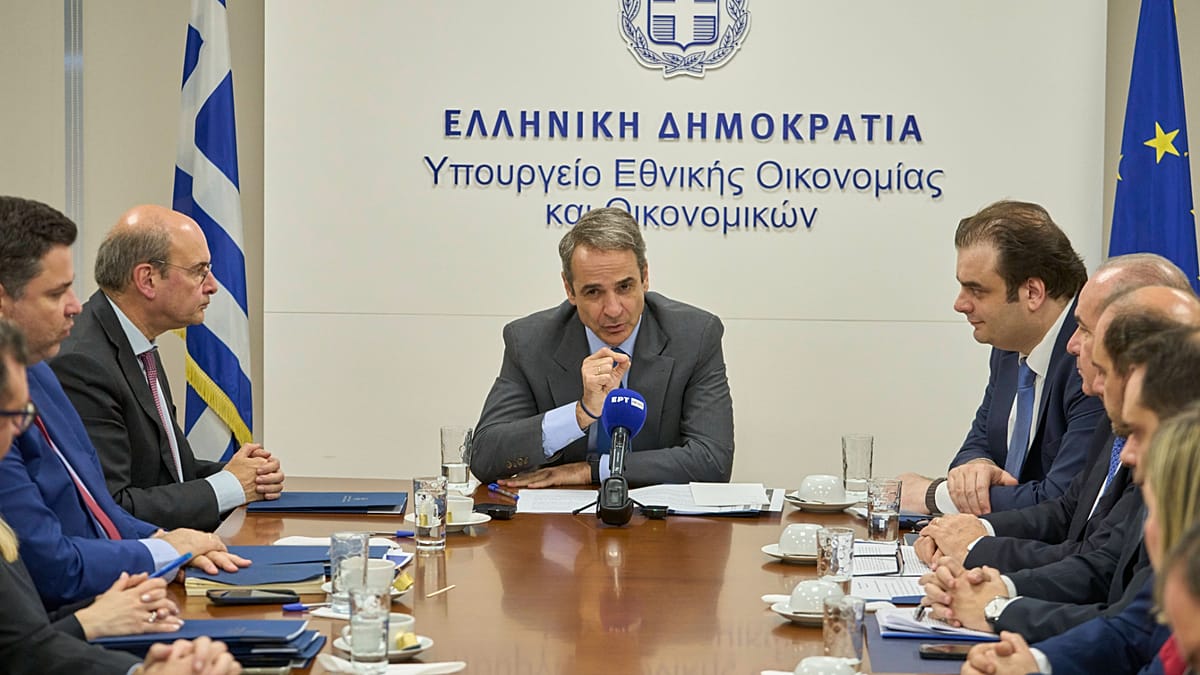
Athens has received approval from the European Stability Mechanism (ESM) to repay €6.95 billion in bailout loans ahead of schedule, a decision that European officials say will improve Greece's debt profile and signal fiscal strength to investors.
The loans, originally extended under the Greek Loan Facility (GLF) as part of the first international rescue package agreed in May 2010, were due to mature in 2029 and between 2033 and 2035. The early repayment covers the second-largest such transaction to date, following a previous early repayment in 2025.
Waivers and Financial Mechanics
Under standard terms, early repayment to GLF lenders would have triggered parallel repayments to the ESM and the European Financial Stability Facility (EFSF). The ESM board granted waivers on Thursday that remove that requirement, allowing Athens to proceed without additional obligations. The transaction will be financed using funds from a special cash buffer account created after Greece exited its bailout programme.
ESM Managing Director and EFSF Chief Executive Pierre Gramegna said the repayment would strengthen market confidence, reduce exposure to interest rate fluctuations, and improve the structure of Greece's public debt. A stronger debt position makes it easier and cheaper for governments to raise funds for public spending and investment.
Greece completed repayment of its loans to the International Monetary Fund in 2022, two years ahead of schedule. The GLF, which consisted of bilateral loans from 14 eurozone countries worth a total of €52.9 billion, still has €26.3 billion outstanding.
The decision follows an official request from the Greek government and comes as the country continues to make steady economic progress, according to Gramegna. Once the repayment is completed, the cash buffer account will be fully exhausted.
This development is part of a broader trend of improved fiscal discipline in southern Europe. In Spain, for instance, the government has faced scrutiny over spending, as court documents revealed payments to a consultant that raised questions about transparency. Meanwhile, Greece has also been active in addressing labour shortages, activating a bilateral deal to bring 5,000 Egyptian farm workers to support its agricultural sector.
The early repayment underscores Greece's return to market access and its ability to manage debt more actively, a significant milestone for a country that was at the epicentre of the eurozone debt crisis a decade ago.