For years, the Ionian Sea has been littered with the remnants of abandoned fish farms—fishing nets, plastic buoys, ceramic tiles, and rotting timber. These so-called 'ghost farms' have polluted Greece's coastal waters, harming marine life and spoiling the seascape that draws millions of tourists each year. Now, after sustained media scrutiny and mounting pressure from authorities, the situation is finally changing.
A Legacy of Neglect
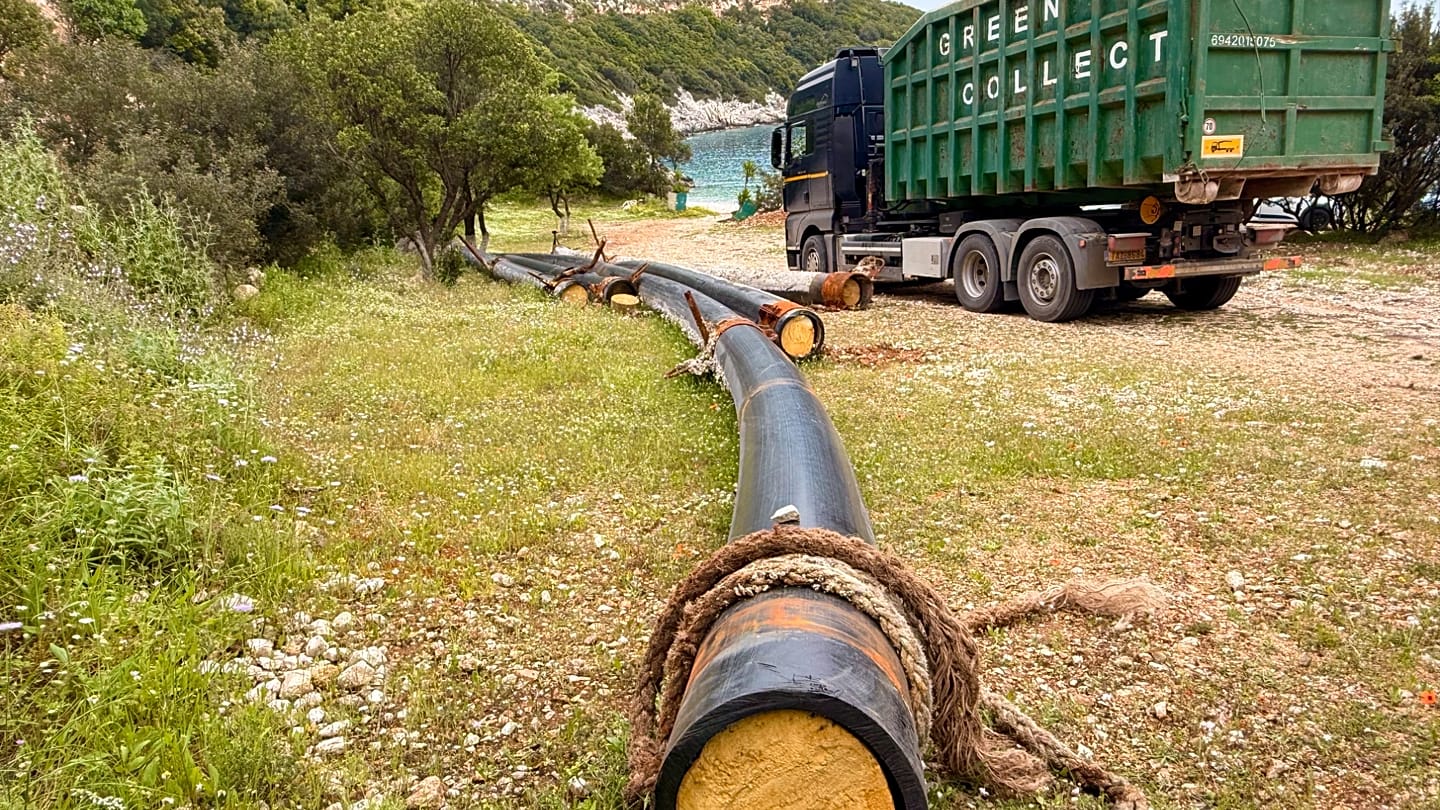
The problem dates back to the 1990s, when Greece's aquaculture industry expanded rapidly along the Ionian coast. Many farms were established with little oversight, and when they went bankrupt or were simply abandoned, their infrastructure was left to decay. Over time, storms and currents scattered debris across the seabed, creating underwater garbage patches that entangle dolphins, turtles, and fish.
Local fishermen and environmental groups have long complained about the damage. In the region around the island of Kefalonia, divers have documented vast fields of discarded nets and plastic pipes. The pollution not only threatens biodiversity but also undermines the tourism economy that many Ionian communities depend on. As Greece competes with Türkiye for European holidaymakers, the state of its coastal waters has become a reputational issue.
Media Exposure and Regulatory Action
The turning point came when Greek and international media began covering the ghost farms in depth. Investigative reports showed images of underwater debris fields and interviewed affected locals. The coverage embarrassed the government and prompted the Hellenic Ministry of Rural Development and Food to take action.
In 2024, authorities began identifying the owners of abandoned farms and issuing cleanup orders. Companies that had long ignored their environmental obligations were suddenly faced with fines and the threat of license revocation. The ministry also launched a program to map all abandoned aquaculture sites in the Ionian and Aegean seas, with the goal of removing debris by 2026.
“This is a momentous shift,” said Maria Papadopoulou, a marine biologist at the Hellenic Centre for Marine Research. “For decades, there was no political will to enforce the law. Now, the combination of public pressure and EU environmental directives is forcing change.”
EU Pressure and Legal Frameworks
Greece's cleanup efforts are partly driven by the European Union's Marine Strategy Framework Directive, which requires member states to achieve 'good environmental status' for their waters by 2026. The European Commission has warned Athens that failure to act could result in infringement proceedings and fines. That threat has concentrated minds in the Greek capital.
The cleanup is not cheap. Removing submerged debris requires specialized vessels and divers, and the costs are expected to run into millions of euros. The Greek government is seeking EU funding to support the operation, arguing that the pollution was caused by a lack of regulation in earlier decades. Critics, however, say that the polluters should pay. “The companies that abandoned these farms should be held financially responsible,” said Dimitris Karavellas, director of WWF Greece. “Taxpayers should not foot the bill for decades of corporate negligence.”
Broader Implications for Greece's Environment
The ghost farm saga is part of a wider pattern of environmental challenges in Greece. The country has struggled with illegal waste dumping, air pollution in Athens, and the impact of climate change on its forests and coastline. The cleanup of the Ionian Sea could set a precedent for how Greece handles other environmental legacies.
Meanwhile, the country's economic recovery from the bailout era has been uneven. As household saving rates in Greece remain negative, the government must balance environmental spending with other priorities. But for many Greeks, the health of the sea is non-negotiable. “The Ionian is our heritage,” said Spiros Laskaris, a fisherman from Zakynthos. “We cannot let it become a dumping ground.”
The cleanup is expected to accelerate in 2025, with several major removal operations planned. Environmental groups are monitoring progress closely, and they warn that without sustained political will, the ghost farms could return. For now, however, the tide appears to be turning in the Ionian Sea.