Greece has recorded a significant reduction in migrant arrivals across its sea borders during the first six months of 2026, according to figures released by the country's minister for maritime affairs, Vassilis Kikilias. The data, shared on social media platform X, show a 34% drop in total arrivals from Turkey and Libya compared with the same period in 2025.
Between January and June, Greek authorities counted 15,389 arrivals, down from 23,243 in the corresponding period last year. The decline was most pronounced on the route from Turkey, which saw a 59% decrease, while arrivals from Libya fell by a more modest 4%.
Kikilias attributed the improvement to the government's planning and the work of the coastguard, stating that the strategy being implemented is delivering tangible results. He also praised coastguard personnel for their daily involvement in search and rescue operations, which he said help save lives at sea.
Context and regional dynamics
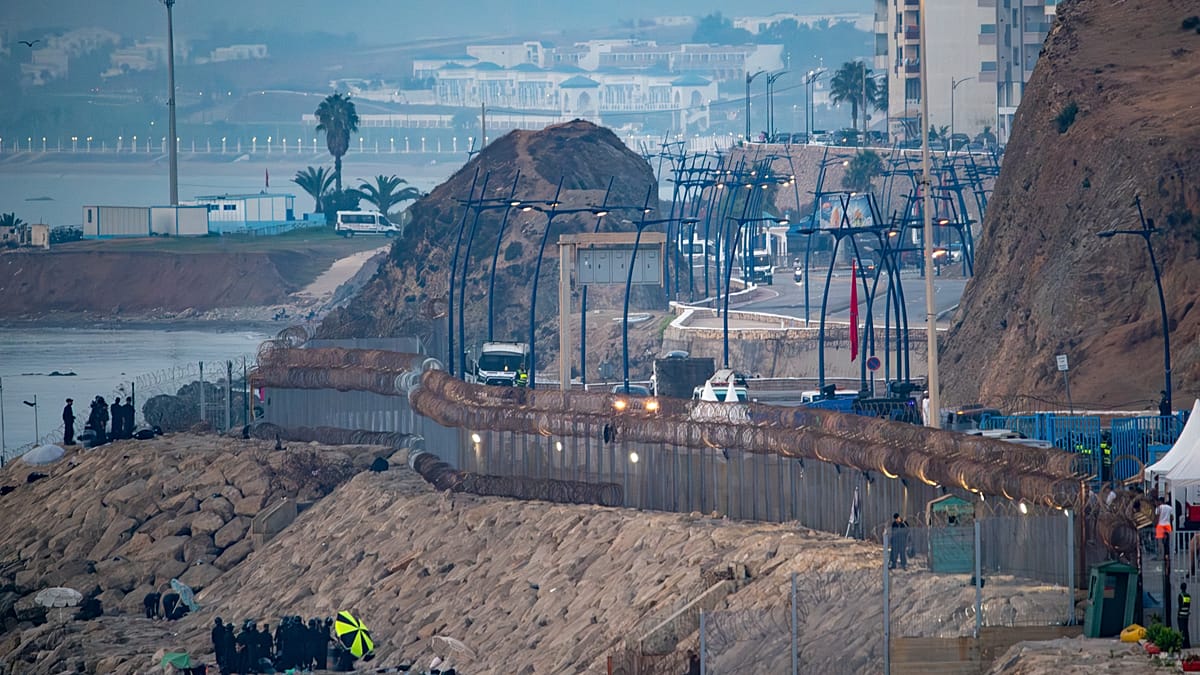
The drop in arrivals to Greece comes amid broader shifts in migration patterns across the Mediterranean. While Greece has seen fewer crossings, other EU member states are grappling with their own pressures. Spain, for instance, has faced a surge at its southern border, with EU officials weighing new border measures in response to the situation in Ceuta.
Italy, meanwhile, has been advocating for a more coordinated EU approach to migrant returns, proposing a model based on its arrangement with Albania. The Italian government is pushing for EU-wide return hubs that would process asylum claims outside the bloc's territory.
The decline in Greek arrivals may also reflect changing tactics by smuggling networks. Reports suggest that smugglers are increasingly shifting operations from land routes to sea crossings, particularly in the western Mediterranean.
Despite the overall reduction, the situation remains fragile. The relatively small drop in arrivals from Libya indicates that the central Mediterranean route continues to be active, and Greek authorities remain vigilant. The coastguard's dual role—border enforcement and humanitarian rescue—underscores the complexity of managing migration in the region.
Kikilias's comments come as the EU debates a common migration policy, with member states divided over burden-sharing and border controls. The Greek figures could provide a positive example for other frontline states, though experts caution that numbers can fluctuate due to political and economic factors in source and transit countries.
For now, Athens is highlighting the progress. The minister's message is clear: the combination of patrols, surveillance, and international cooperation is yielding results. Yet the human dimension remains central, as every operation at sea involves potential rescues and the safeguarding of lives.