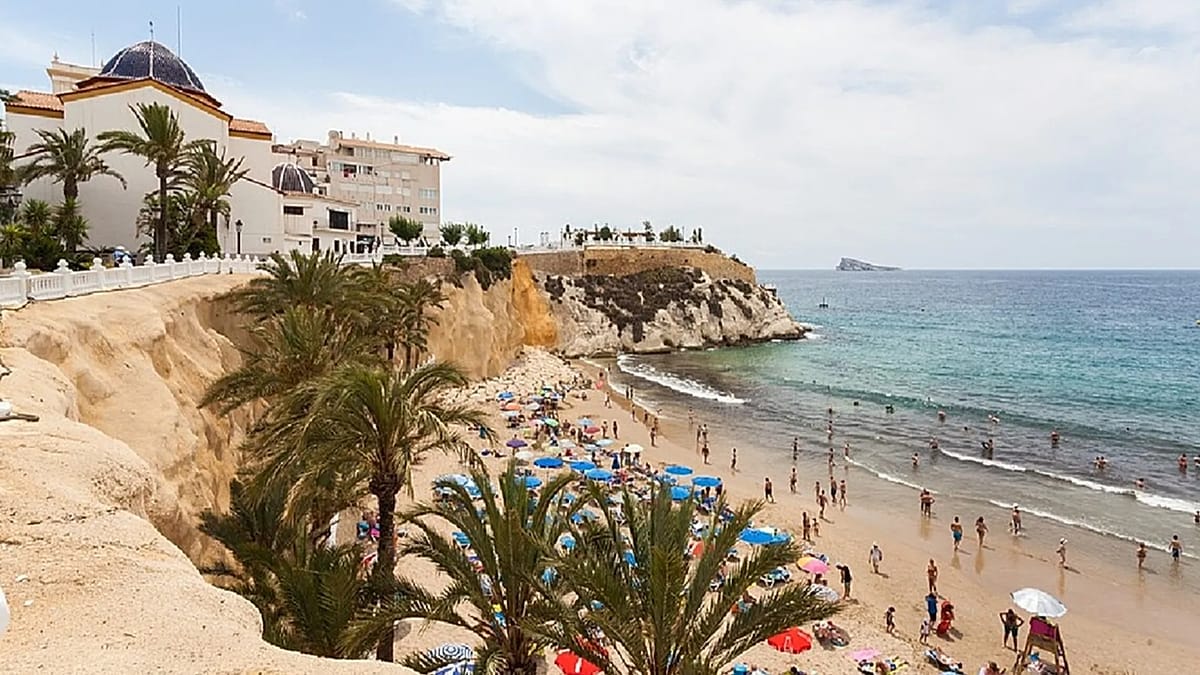
Spain's coastline is facing what Greenpeace describes as a state of 'unprecedented fragility,' driven by decades of intensive urban development and the accelerating impacts of climate change. In its latest report, Destrucción a toda costa 2026, the environmental organization identifies 194 critical points along the Spanish coast where deterioration is most acute, from the Ebro Delta to the Maspalomas dunes.
The report notes that more than a hundred beaches required artificial regeneration during 2026 alone, at a total cost of €246 million. Greenpeace characterizes these interventions as 'an increasingly expensive and less durable stopgap.' The Valencian Community absorbed 70% of that spending, while Andalusia accounted for nearly 20%.
Storms as a 'Final Exam' for Coastal Management
According to Greenpeace, the succession of eight named storms last winter served as a 'final exam' for Spain's current coastal management model—and the model 'has failed.' The NGO cites flooded homes in Valencia, collapsed seafront promenades in Gijón and San Sebastián, cliff collapses in Tenerife, and numerous beaches left 'completely stripped' of sand as evidence that the status quo is no longer tenable.
Among the most threatened areas, the report highlights the Ebro Delta as 'the most vulnerable point on the Iberian Peninsula,' alongside the Doñana coastline, La Manga del Mar Menor, La Restinga de l'Albufera, Camposoto beach, and the Maspalomas coast. These sites are losing sand at alarming rates, and their ecosystems are under severe pressure from both human activity and rising sea levels.
The loss of beaches, Greenpeace warns, directly threatens tourism-dependent jobs across Spain's coastal regions. The organization calls for a fundamental shift in policy: restoring coastal ecosystems, halting construction in flood-prone areas, planning the relocation of exposed infrastructure, and designing coastal management using scientific criteria and nature-based solutions rather than expensive, short-term fixes like sand replenishment.
This report arrives amid broader European discussions about climate adaptation and property markets. In Spain, rising sea levels and more frequent storms are already affecting real estate values, a trend explored in how climate gentrification is reshaping Europe's suburban housing markets. Meanwhile, Spanish resale home prices hit a 21-year high with a 17.2% annual surge, as noted in this analysis, raising questions about the sustainability of coastal property investments.
Greenpeace's critique also echoes findings from a new index mapping how climate change will reshape Europe's farmland by 2100, which underscores the continent's vulnerability to environmental shifts. For Spain, the stakes are particularly high: its coastline is not only a tourism engine but also a fragile ecological asset that requires long-term, science-based stewardship.
The NGO urges the Spanish government and regional authorities to abandon the current 'build and replenish' cycle in favor of restoring natural barriers like dunes and wetlands, which can absorb storm surges and buffer against erosion. Without such measures, Greenpeace argues, the country risks losing both its natural heritage and the economic foundation of its coastal communities.