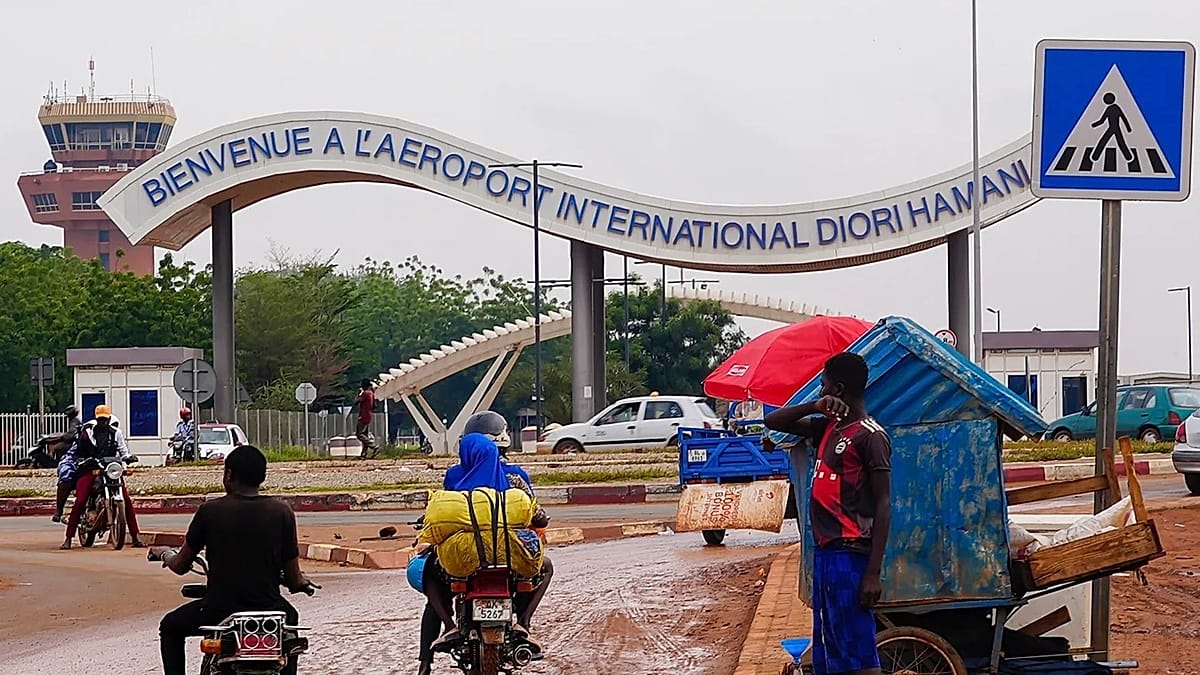
Overnight gunfire and explosions echoed across Niamey, Niger's capital, as security forces clashed with what officials described as insurgents attempting to enter the presidential palace. The incident, which began late Friday and continued into Saturday morning, has raised fresh questions about the stability of the military junta that has ruled the country since 2023.
Witnesses reported sustained exchanges of heavy weapons fire near the Base 101 military airbase, a key installation on the outskirts of the city. One resident, speaking to AFP, described hearing "heavy gunfire and explosions" from the base, while another said the fighting had been "non-stop since last night." The sounds, he noted, were not typical of the small arms carried by jihadist fighters on motorbikes, suggesting a more organised military confrontation.
Bana Wagana Ibrahim, a member of Niger's Consultative Council, issued a statement on Saturday urging citizens to "remain calm and avoid sharing unverified information." He confirmed that defence and security forces had been mobilised "for the defence of the homeland," and earlier condemned what he called "another cowardly attack" on Base 101, insisting the situation was "under control."
State TV off air, palace guard repels attackers
Niger's state television went off air on Saturday, with a black screen replacing regular programming, according to local reports. A security source told AFP that the presidential guard had successfully repelled "insurgents from within the armed forces" who tried to force their way into the palace. The exact motives and affiliations of the attackers remain unclear.
The unrest comes as Niger's military junta, which seized power three years ago, continues to grapple with a persistent jihadist insurgency. Despite promises to restore security, attacks have continued, including two strikes on Niamey's airport this year alone. In January, the Islamic State in the Sahel group claimed an attack, followed by a June assault attributed to the Group for the Support of Islam and Muslims (JNIM).
Saturday's events highlight the fragility of the junta's hold on power, even as it has sought to project an image of control. The involvement of military personnel in the palace attack suggests potential fractures within the armed forces, a development that could have significant implications for the region.
Neighbouring countries and European partners, including France and the European Union, have watched Niger's trajectory with concern. The junta's expulsion of French troops and its pivot towards Russia have reshaped security dynamics in the Sahel, where jihadist groups continue to expand their reach. The latest violence underscores the challenges facing any government in Niamey, whether military or civilian, in stabilising the country.
As the situation develops, international observers are calling for restraint and a return to constitutional order. The African Union and ECOWAS have previously condemned the coup and imposed sanctions, though their leverage has been limited. For now, residents of Niamey are left to navigate an uncertain dawn, with the sound of gunfire still fresh in their ears.