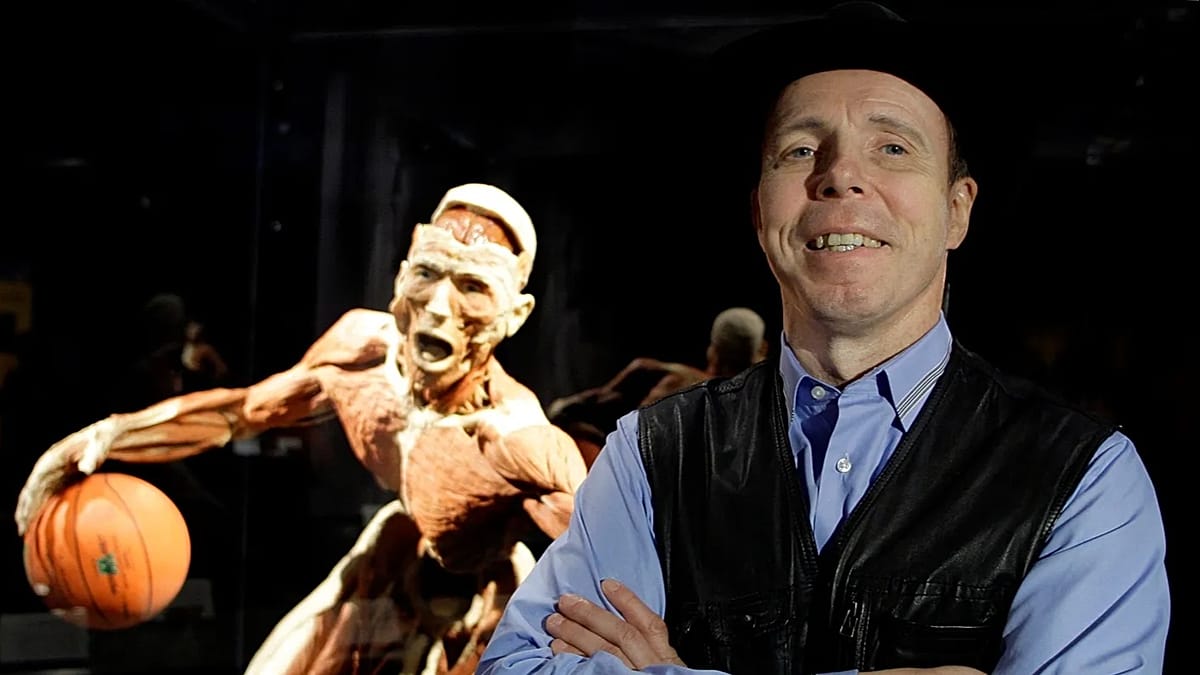
Gunther von Hagens, the German anatomist whose plastination technique and 'Body Worlds' exhibitions brought preserved human bodies to millions of visitors worldwide, has died at the age of 81. His family and the Institute for Plastination in Heidelberg announced his death on Monday, saying he passed away on Friday. No further details were provided. Von Hagens had revealed in 2010 that he was living with Parkinson's disease.
Born Gunther Liebchen on 10 January 1945 in what is now western Poland, von Hagens developed the plastination process in the 1970s while working at the University of Heidelberg. The method replaces bodily fluids and soluble fats with liquid plastic, which then hardens, preserving tissues and organs indefinitely. This allowed him to display whole human bodies and individual organs in lifelike poses, often with skin removed to reveal underlying structures.
From science to spectacle
The first 'Body Worlds' exhibition opened in Japan in 1995, but it was the 1997 debut in Germany that ignited lasting controversy. Local church leaders tried to block the show, arguing it was disrespectful to the dead. Von Hagens, however, defended his work as a tool for public education. 'The anatomist is forced in his daily work to reject the taboos and convictions that people have about death and the dead,' he said of his own role. 'I touch here a taboo, which is our body, and nothing is so near as our body is to us.'
Critics accused von Hagens of crossing into sensationalism. Displays included a corpse riding a plastinated horse and the body of a pregnant woman carrying an eight-month-old foetus. He also staged public autopsies, which drew large audiences and further blurred the line between education and entertainment. The exhibitions travelled to dozens of cities, including London, Berlin, and New York, and after their US debut in Los Angeles in 2004, they appeared in several American cities.
All bodies on display came from people who had voluntarily donated their remains for plastination. Von Hagens himself will now join them: Monday's statement confirmed that it was his wish to be plastinated, and his family will honour that request.
The anatomist's legacy remains contested. For many, his work demystified the human body and sparked curiosity about anatomy. For others, it commodified death. What is clear is that von Hagens permanently changed how the public encounters the dead, turning cadavers into exhibits and forcing a conversation about dignity, science, and spectacle that continues long after his passing.