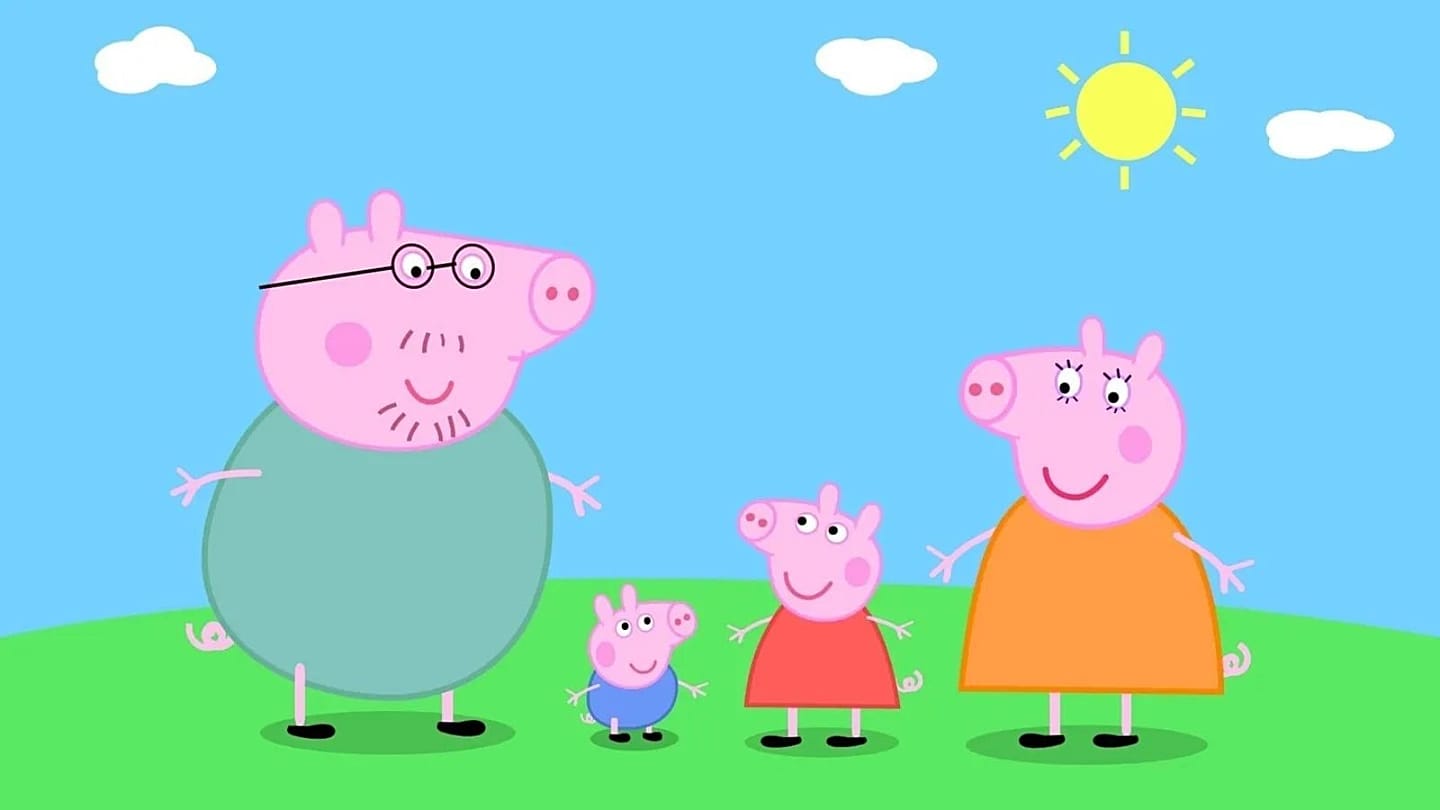
US entertainment and toy conglomerate Hasbro has ignited a controversy across Europe after reportedly requiring child actors on the animated series Peppa Pig to sign over their voices for use in artificial intelligence systems. The new contract terms have drawn sharp criticism from industry professionals, child welfare advocates, and European lawmakers, who warn that the clauses undermine fundamental principles of consent and child protection.
An open letter, signed by more than 1,000 actors, writers, and directors, condemns the practice as exploitative. The letter argues that children cannot meaningfully consent to such sweeping rights transfers, especially when the long-term implications of AI-generated voice replicas remain poorly understood. The signatories include prominent figures from the UK's film and television industry, as well as representatives from French and German animation studios.
European Legal and Ethical Concerns
The backlash has particular resonance in Europe, where several member states have been tightening regulations around AI and child safety. The European Union's recently adopted AI Act classifies systems that manipulate human voices as high-risk, requiring transparency and user consent. The Peppa Pig case could test the boundaries of these rules, especially if the voice data is processed or stored outside the EU.
In France, where Peppa Pig is broadcast on channels like France 5, child protection groups have called on the Autorité de régulation de la communication audiovisuelle et numérique (Arcom) to investigate whether the contracts violate French labor and privacy laws. Similar concerns have been raised in Germany, where the Bundesdatenschutzgesetz (Federal Data Protection Act) imposes strict conditions on the processing of children's biometric data.
The UK, home to the original Peppa Pig production, is also watching closely. Although no longer an EU member, the UK's Data Protection Act 2018 and the Age Appropriate Design Code (the Children's Code) require that children's data be handled with particular care. The Information Commissioner's Office (ICO) has previously warned companies against using children's data for AI training without explicit, age-appropriate consent.
Industry and Parental Reactions
Parents of child actors involved in the show have expressed alarm. Many were unaware that the contracts included clauses allowing Hasbro to create and own AI-generated voice models. Some have described feeling pressured to sign, fearing their children would lose roles otherwise. The open letter calls for an immediate halt to the practice and for a public debate on the ethics of using children's voices in AI.
The controversy also intersects with broader European concerns about child safety online. As the EU tightens laws on child sexual abuse, including longer prosecution windows and AI provisions, the Peppa Pig case highlights how AI can be used in ways that may not be illegal but raise serious ethical questions. The European Commission has indicated it will monitor the situation closely.
Hasbro has not yet issued a formal response to the backlash. However, the company's move reflects a growing trend among entertainment giants to secure rights to performers' voices and likenesses for AI applications. In the US, similar disputes have arisen with adult actors, but the Peppa Pig case is notable for involving minors.
The story has also reignited debates about the power imbalance between global corporations and European cultural industries. Many see the contract clauses as an attempt by a US company to bypass stricter European regulations by basing operations in jurisdictions with weaker protections. The open letter urges European broadcasters and co-producers to refuse to air or fund content produced under such terms.
As the controversy unfolds, it serves as a reminder that the intersection of AI, child welfare, and labor rights is becoming a defining issue for European policymakers. The outcome could set precedents for how the continent regulates the use of children's data in emerging technologies.