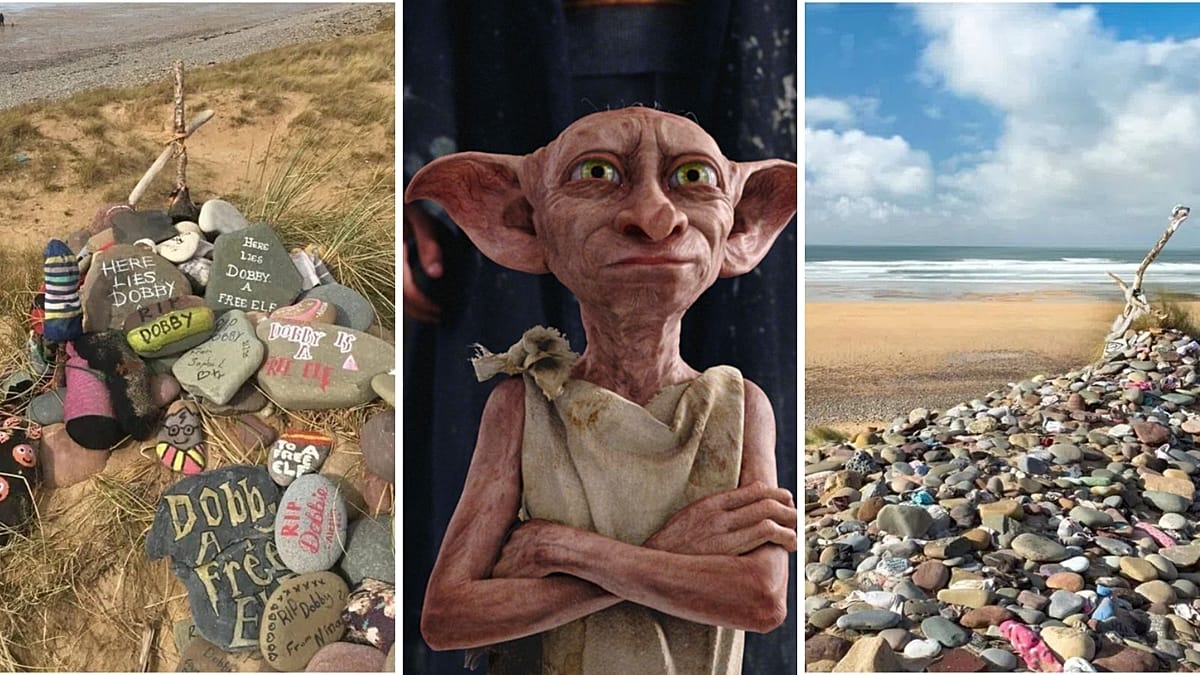
When the planners behind a major energy infrastructure project mapped out the route for a new power cable between Ireland and Wales, they probably didn't anticipate that the fate of a fictional house-elf would become a sticking point. But that's exactly what happened, and the result is a rare case of popular culture shaping critical infrastructure.
The €502 million Greenlink interconnector, a 190-kilometre high-voltage link designed to carry electricity between County Wexford in Ireland and Pembrokeshire in Wales, was originally slated to make landfall at Freshwater West beach. That beach, however, holds a special place in the hearts of Harry Potter fans: it's where Dobby the House Elf dies in the 2010 film Harry Potter and the Deathly Hallows – Part One.
Since the film's release, the beach has become an unofficial pilgrimage site. Fans have erected a small shrine to Dobby, complete with painted stones and, notably, socks—a nod to the character's love of clothing. The National Trust, which manages the site, allowed the shrine to remain in 2022, though it asked visitors to stop leaving socks for environmental reasons.
When word got out that the Greenlink project would cut through the memorial, the reaction was swift and vocal. In an interview on The Energy Revolution podcast, Simon Ludlam, chief executive of the advisory firm Etchea Energy, recalled the moment his team realised the scale of the backlash. “He is a fictitious character in a fictitious book, the whole thing's fictitious, what are you talking about?” Ludlam said he asked a colleague, who insisted the matter was “very, very serious”.
The team soon understood that hundreds of calls from angry fans were flooding in. Rather than dismiss the outcry, they went back to the drawing board. “So we got back with the planners and discussed exactly how to reroute the cable so we wouldn't go anymore into Dobby's grave,” Ludlam explained. “And a lot of people were very happy about that and, you know, the project's now going and Dobby's happy.”
A win for fandom and for energy security
The rerouting is a testament to the power of organised fan communities, but it also highlights the growing complexity of building energy infrastructure in Europe. As countries race to decarbonise and interconnect their grids, projects like Greenlink are essential. The cable, which went live in 2025, can now power up to 380,000 homes, providing a vital link between the UK and Irish electricity markets.
For the National Trust, the episode underscores the need to balance public sentiment with environmental stewardship. The charity has welcomed the compromise, which allows the shrine to remain undisturbed while the cable takes a slightly different path.
For fans, the outcome is a small but meaningful victory. As one online commenter put it, “Dobby is free—and so is the cable route.” The project may have been delayed by the detour, but it ultimately delivered on its promise of cleaner, more connected energy—without desecrating a beloved fictional grave.
It's a reminder that even in the world of high-voltage engineering, sometimes the most unexpected voices can shape the final design. And for those who grew up with Harry Potter, it's proof that even a house-elf can leave a lasting mark on the real world.