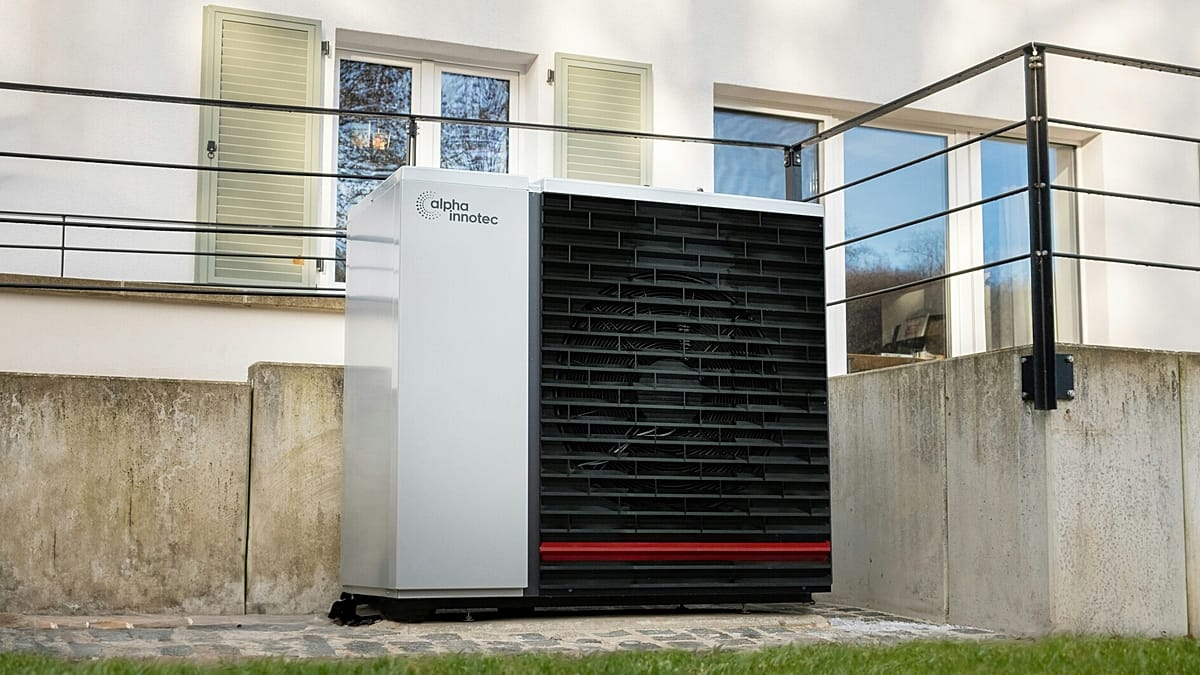
Millions of European households have installed heat pumps, hoping to slash energy bills after the war in Iran sent oil and gas prices soaring. But new research from the UK's Energy Saving Trust (EST) suggests the device itself is only part of the solution.
The EST analysed over 1.1 million combinations of heat pumps, solar panels, batteries, and electricity tariffs to identify the most cost-effective setups. Their findings, released this month, reveal that households can cut annual energy costs by around £800 (€920) when combining a heat pump with solar panels, battery storage, and the right tariff. The best-performing configurations saved more than £1,000 (€1,150) a year.
Why a heat pump alone isn't always enough
More than 28 million heat pumps have been installed across Europe, but simply switching from a gas boiler does not guarantee lower bills. The EST found that moving to a heat pump while staying on a standard electricity tariff often delivered little or no savings. However, switching to a heat pump-specific tariff or a dynamic tariff—where electricity prices fluctuate throughout the day—could cut heating costs by up to £330 (€380) annually.
When factoring in green grants and the avoided cost of replacing an old gas boiler, the study estimates a heat pump could pay for itself within two to four years. Beyond individual choices, policy measures are making heat pumps more competitive. The European Heat Pump Association credits recent uptake to government actions that reduce upfront costs and electricity prices.
In the Netherlands, for instance, tax reforms and energy pricing have made electricity competitive with gas. According to the European Commission, Dutch households can cut heating costs by up to 80 per cent by switching from inefficient gas boilers to heat pumps. This model could inform broader EU efforts, especially as EU energy ministers recently signed a landmark deal to triple energy storage capacity by 2030, which could further stabilise electricity prices.
Batteries and solar panels amplify savings
The research also examined how solar panels and battery storage work alongside heat pumps. Solar panels allow households to generate their own electricity, reducing the amount they need to buy from the grid. Battery storage enables charging when electricity is cheap and using that stored power during peak price periods, preventing solar power—produced during the day when consumption is low—from going to waste.
The biggest savings come from combining all three technologies with an appropriate tariff. Homes with heat pumps, solar panels, and batteries typically cut annual energy bills by around £800 (€920), with top performers saving over £1,000 (€1,150). In those scenarios, heating costs fell by almost 80 per cent. This aligns with broader trends: solar power saved Europe €20 billion in gas imports since the Iran conflict began, underscoring the value of distributed generation.
Despite these potential savings, the EST notes that the upfront cost of installing heat pumps, solar panels, and batteries remains a barrier for many households. The trust argues that grants, low-interest loans, and other financial support could help more Europeans access these upgrades. As Europe's cooling energy demand doubles in six years, efficient heating and cooling systems become ever more critical.
For now, the message is clear: a heat pump alone is not a silver bullet. To truly cut bills and emissions, households need to pair it with smart tariffs, solar generation, and storage—and policymakers need to make that combination affordable.